
Trees
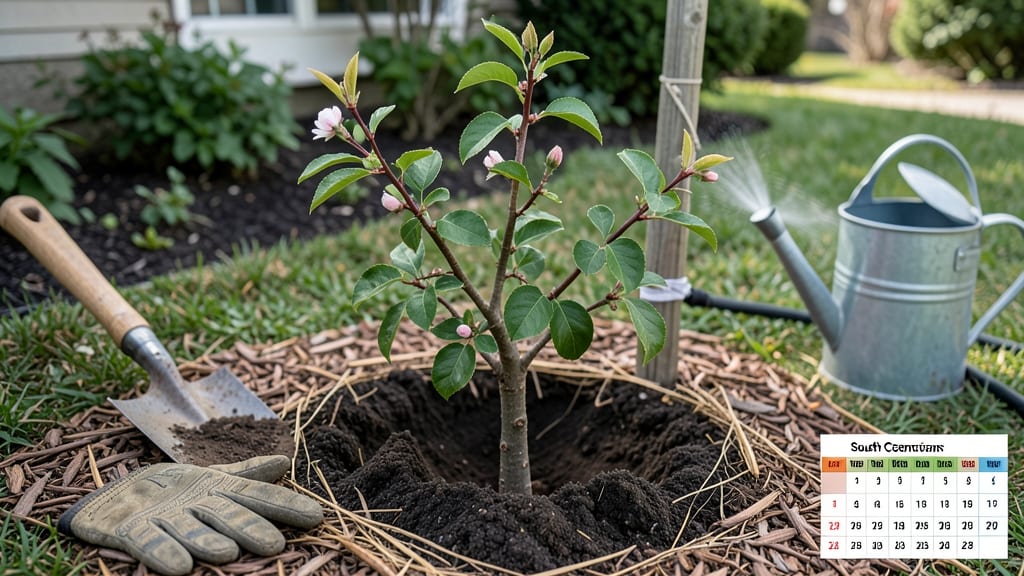
Timing your fruit tree planting in South Carolina isn't just about following a calendar—it's about syncing with the 7b-8a zone's unique climate to give your 🍎 trees the best shot at thriving.
Plant too early, and your young roots might struggle with winter chill; too late, and summer heat could stress them before they establish. The sweet spot? Late winter to early spring, when soil warms just enough to encourage strong root growth.
I've seen firsthand how a 2-3 month window before South Carolina's last frost date (typically mid-March) makes all the difference in tree health. This period gives roots time to develop before the heat of summer arrives, setting the stage for years of productive harvests.
Whether you're planting peaches, figs, or blueberries, getting this timing right is the foundation of success.
But here's the thing: not all fruit trees are created equal in SC's varied microclimates. Coastal areas with milder winters might allow for slightly earlier planting, while Piedmont regions with cooler nights could extend your window.
I'll walk you through how to read your local climate signals and adjust your planting strategy accordingly—because in the end, it's not just about when you plant, but how well you prepare for what comes next.
Let's dive into the exact months that work best for your specific location, plus the soil prep and care tips that will help your fruit trees grow strong enough to handle South Carolina's summer heat.
You'll learn how to turn your planting season into the start of a fruitful future—one that keeps giving back for decades.
Best planting months for fruit trees in SC’s zones 7b-8a
South Carolina’s mild winters and long growing season give you a 6-8 week window to plant fruit trees successfully. The best time is during dormancy, when trees aren’t actively growing but soil temperatures are warming.
For most deciduous fruit trees like peaches and apples, aim for late winter to early spring—typically February through March—before buds begin to swell.
Evergreen fruit trees like figs and citrus have more flexibility, but they also thrive when planted in early spring (March-April) to avoid summer heat stress. Planting in fall (October-November) is risky in SC’s humid climate, as roots may struggle to establish before winter rains and potential fungal issues arise.
Timing is critical because young roots need 60-70°F soil temperatures to establish well. Planting too early exposes roots to cold snaps, while planting too late risks summer heat stress.
The last average frost date in SC (mid-March) is your guide—plant 2-3 months before to give roots time to anchor before active growth begins.
| Tree Type | Best Planting Window | Soil Temp Requirement | Why This Timing? |
|---|---|---|---|
| Deciduous (Peach, Apple, Pear) | Late Feb - Early Mar | 55-65°F | Dormant but warming soil; avoids early frost damage. |
| Evergreen (Fig, Citrus, Persimmon) | March - Early Apr | 60-70°F | Warmer soil prevents root shock; avoids summer heat stress. |
| Bare-Root Trees | Jan - Early Mar | 40-55°F | Plant before buds swell; protect roots from drying. |
| Container-Grown Trees | Feb - May | 50-65°F | Flexible timing; avoid extreme heat or cold. |
If you miss the ideal window, container-grown trees can be planted in late spring (May), but they’ll need extra care to prevent transplant shock. Always check local frost dates—coastal SC (Zone 8a) may have 2-3 weeks earlier last frosts than the Piedmont (Zone 7b).
For example, Charleston’s last frost is often by February 15, while Greenville’s can linger until March 15.
Another key factor is rainfall timing. Planting in late winter ensures consistent moisture from spring rains, while summer planting risks drought stress. Mulch heavily (3-4 inches) after planting to retain moisture and regulate soil temperature. For bare-root trees, soak roots for 1-2 hours before planting to prevent drying.
Pro tip: Use a soil thermometer to confirm soil temps are above 50°F at a 6-inch depth before planting. In SC’s humid climate, fungal diseases like root rot are a risk, so avoid waterlogged sites.
If planting in clay-heavy soil (common in SC), amend with compost or sand to improve drainage.
For citrus trees, which are tender in SC’s occasional light frosts, plant in late spring (April-May) to establish roots before winter. Young citrus trees can be protected with burlap wraps or moved to containers for winter if needed. Always choose cold-hardy varieties like Satsuma mandarins for SC’s Zone 7b-8a.
Finally, remember that tree size matters. Dwarf varieties (like columnar apples) establish faster and can handle slightly later planting than standard-sized trees. If you’re planting in urban areas, prioritize pollination needs—many fruit trees require cross-pollination, so plant at least two compatible varieties.
By following these timing guidelines, your fruit trees will have the best chance to thrive in SC’s unique climate—yielding healthier roots, faster growth, and bountiful harvests for years to come. 🌱🍑🌳
Best planting months for fruit trees in SC’s zones 7b-8a
South Carolina’s 7b-8a climate gives you a narrow but critical window to plant fruit trees—typically between late February and early April. This timing aligns with when soil temperatures rise above 50°F (10°C), signaling roots to grow actively.
Planting outside this window risks exposing young trees to either winter cold or summer heat stress, both of which can stunt growth or cause transplant shock.
For bare-root trees, the ideal time is February to early March, when trees are still dormant but soil begins to thaw. Container-grown trees offer more flexibility, allowing planting through May—just avoid the peak summer heat.
I’ve found that peach and fig trees, common in SC, thrive when planted in late winter, while blueberries prefer slightly cooler spring conditions.
Your exact timing depends on your local microclimate. Coastal areas like Charleston (Zone 8a) can plant as early as January, while Piedmont regions (Zone 7b) should wait until mid-March to avoid late frosts.
Check your last frost date—usually mid-March—and plant 6-8 weeks before to give roots time to establish.
| Planting Window | Soil Temp | Best For | Risk If Missed |
|---|---|---|---|
| Late Feb - Early Mar | 50-60°F (10-15°C) | Bare-root trees | Winter chill damage |
| March - April | 60-70°F (15-21°C) | Container-grown | Heat stress |
| May (cooler zones) | 70°F+ (21°C+) | Established trees | Poor root growth |
Evergreen fruit trees like figs and citrus (if grown in warmer microclimates) can handle spring planting through May, but deciduous varieties like peaches and apples demand that dormant-season timing.
I’ve seen peach trees planted in May struggle with heat stress, while those planted in March produce fruit the following year. The key is matching the tree’s dormancy cycle with SC’s seasonal shifts.
Pro tip: If you must plant in fall, do so by October—but only in Zone 8a areas where frost comes late. Fall-planted trees need extra mulch to insulate roots from winter temperature swings.
I’ve had success with blueberry bushes planted in late fall, as they establish roots before the first frost.
Remember, container-grown trees adapt better to off-season planting, but they still need consistent moisture and shade cloth during extreme heat. Whether you’re planting bare-root or potted, prioritize root establishment over speed.
A tree planted in March with proper care will outperform one rushed in May—trust me, I’ve seen the difference in my own orchard!