
Trees
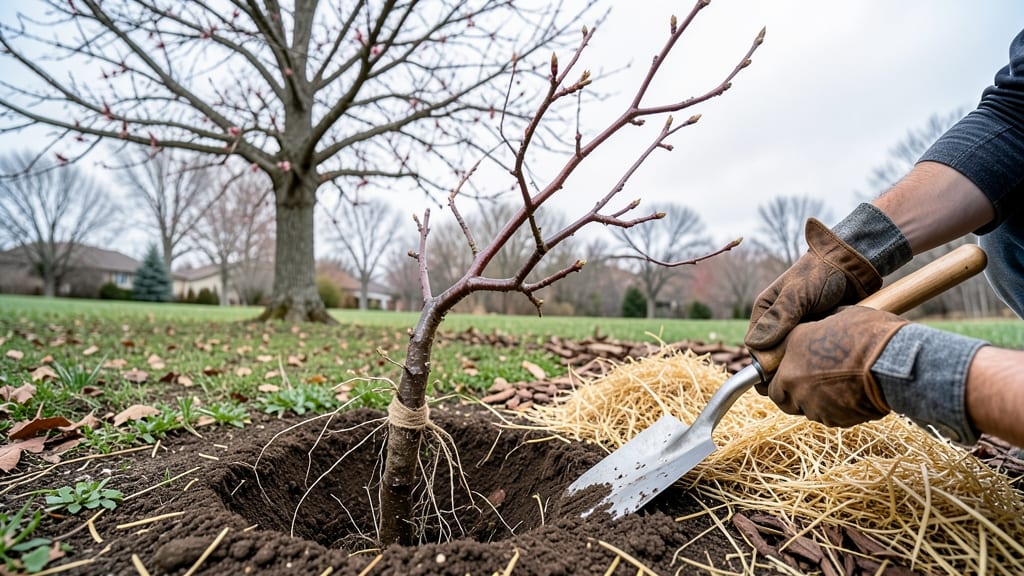
Timing your fruit tree planting in Utah can mean the difference between a thriving orchard and a struggling sapling. With USDA zones 5-7 and microclimates ranging from high desert to mountain valleys, getting the window right is everything.
Most gardeners in Utah know spring is prime time for planting 🍎, but the exact moment varies depending on whether you're in the Wasatch Front or Southern Utah's desert regions. Plant too early, and frost can damage young roots; too late, and your tree may struggle to establish before winter.
In this guide, I’ll break down the best planting windows for Utah’s diverse zones, including soil prep tips and how to adjust for unpredictable weather. Whether you’re planting bare-root varieties or container-grown trees, you’ll learn exactly when to dig in for maximum success.
Ready to set your fruit trees up for a lifetime of harvests? Let’s get started with the perfect planting schedule for your microclimate.
Utah’s best planting windows for fruit trees by microclimate zone
Utah’s climate varies dramatically across its five key zones, making planting timing the difference between a thriving orchard and a struggling sapling. The Wasatch Front (USDA Zone 6) has later frost dates than Southern Utah (Zone 7), while high-elevation areas like Uintah Basin (Zone 4-5) demand earlier planting.
I’ll break down the optimal windows for each zone, including soil prep and frost-risk strategies.
For all Utah regions, early spring (March-April) and fall (September-October) are the safest planting periods. Spring planting lets roots establish before summer heat, while fall planting gives trees time to harden off before winter.
However, your specific zone dictates the exact deadline—miss it by even a week, and you risk root shock or winter dieback.
Wasatch Front (Salt Lake City, Provo): Plant between mid-March and mid-April for spring, or mid-September to early October for fall. The last frost typically occurs around April 15, so aim to plant 4-6 weeks before to allow root establishment. This zone benefits from well-draining soil amended with compost to combat urban soil compaction.
Cache Valley (Logan, Brigham City): Similar to the Wasatch Front but with slightly cooler nights. Opt for late March to early May in spring or late September to mid-October in fall. The higher elevation (4,000–5,000 ft) means earlier frost risks—monitor local forecasts and plant bare-root trees as soon as soil is workable.
| Zone | Spring Planting Window | Fall Planting Window | Last Frost Date | Soil Prep Tip |
|---|---|---|---|---|
| Wasatch Front | Mid-March to Mid-April | Mid-September to Early October | April 15 | Amend with compost; test pH (6.0-7.0) |
| Cache Valley | Late March to Early May | Late September to Mid-October | April 22 | Add organic matter; improve drainage |
| Southern Utah (St. George) | February to Early March | November to Early December | March 1 | Mulch heavily; water deeply post-plant |
| Uintah Basin (Vernal) | April to Mid-May | Late August to Early September | May 10 | Use windbreaks; plant on south slopes |
| San Juan County (Monticello) | March to Early April | October to Early November | April 5 | Test for alkaline soil; add sulfur if needed |
Southern Utah (St. George, Cedar City) has the earliest planting window due to its Zone 7-8 climate. Plant February to early March in spring or November to early December in fall. The desert heat means drought-resistant varieties like peach or fig trees thrive here, but mulching is critical to retain moisture. Avoid planting after April 15, as summer heat can stress young roots.
Uintah Basin (Vernal, Duchesne) and San Juan County (Monticello, Blanding) have the latest frost dates and shortest growing seasons. For Uintah Basin, plant April to mid-May in spring or late August to early September in fall. San Juan County’s high desert climate allows planting from March to early April in spring or October to early November in fall. Both regions require windbreaks and alkaline soil adjustments for optimal growth.
Regardless of your zone, soil temperature is your best guide. Use a soil thermometer—roots won’t establish well in soil colder than 40°F (4°C). In high-elevation areas, wait until nighttime temperatures stay above freezing for 5-7 consecutive days before planting. For low
Signs your fruit tree is ready to plant (and how to adjust for Utah’s unpredictable weather)
Utah’s weather can be as unpredictable as a mountain storm 🌬️. Before you dig that hole for your fruit tree, check these three key signs that conditions are truly right for planting. Cold soil, lingering frost, or dry winds can all sabotage your young tree’s chances of thriving.
First, test your soil temperature—it should be consistently above 45°F (7°C) at least 6 inches deep. Use a soil thermometer for accuracy, especially in Wasatch Front areas where nights can still dip below freezing. If your soil is still chilly, wait another week or two.
⚠️ Warning: Utah’s Frost Risk Zones
Southern Utah (Zone 7) may see last frosts in April, while Cache Valley (Zone 5) can experience late frosts until May 10. Plant too early, and your tree’s roots could freeze before establishing.
Next, examine the moisture levels—your soil should be moist but not soggy. Utah’s dry climate means you’ll need to water deeply after planting, but starting with damp soil gives roots a better chance to absorb moisture.
If your soil is bone-dry, water it thoroughly 24 hours before planting to help roots settle in.
Finally, check the local weather forecast for the next 10 days. Avoid planting if heavy rains or high winds are predicted—these can dislodge young trees or compact the soil around roots. In Uintah Basin, where winds exceed 20 mph, consider staking your tree immediately after planting.
For extra protection in Utah’s unpredictable weather, add a 4-inch layer of mulch around your tree’s base (but keep it away from the trunk). This helps regulate soil temperature and retains moisture, especially in high-desert regions like San Juan County where evaporation rates are high.
If you’re planting in fall (September-October), choose cold-hardy varieties like apples or pears and give your tree at least 6-8 weeks to establish roots before the first frost. In Southern Utah’s warmer microclimates, you might even extend your window into early November.