
Plants
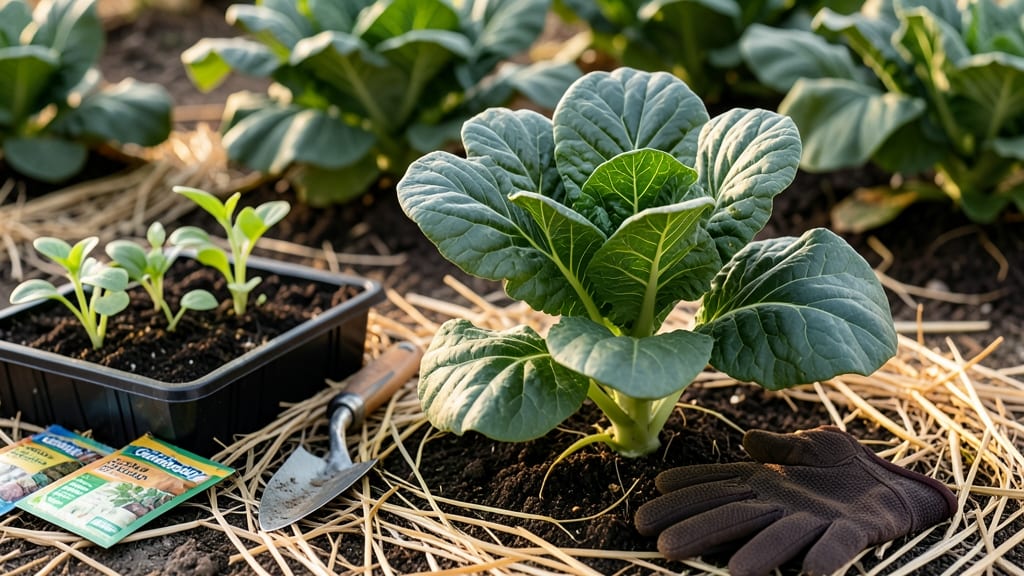
If you're wondering when to plant collards in South Carolina, timing is everything to avoid bolting or stunted growth in our unique climate. With USDA zones 7b-8b and long summers, collards thrive best when planted strategically—either in late winter for spring harvests or late summer for fall production.
Most gardeners in South Carolina plant 🥬 collards between late February and early April for spring harvests, or August through September for fall yields. These windows help avoid heat stress while maximizing the growing season before frost arrives around mid-November.
This guide covers the exact months for your region, heat-tolerant varieties, and pro tips to extend your harvest. Whether you're a beginner or seasoned gardener, these insights will help you grow bigger, tastier collards that stand up to South Carolina's humidity and heat.
Ready to start? Let’s dive into the best planting schedule and varieties that perform best in your specific growing zone.
Best planting months for collards in South Carolina by region
South Carolina’s diverse climate—from the cooler Upstate to the humid Coastal regions—means collard planting times vary by USDA zones 7b-8b. In the Upstate (Zone 7b), where winters linger slightly longer, aim for late February to early April for spring plantings.
Meanwhile, the Midlands (Zone 8a) and Coastal (Zone 8b) can start as early as mid-February, thanks to milder temperatures.
Fall is equally critical—plant August to early September to ensure a harvest before the first frost (mid-November). Coastal areas can push planting into early October, while Upstate gardeners should wrap up by late September to avoid frost damage.
Timing here directly impacts your harvest window, which peaks in May-June (spring) or October-November (fall).
Here’s a breakdown tailored to your region, including last frost dates, ideal planting windows, and harvest timelines to maximize your collard yield:
| Region | USDA Zone | Spring Planting Window | Fall Planting Window | Last Frost Date | Harvest Time |
|---|---|---|---|---|---|
| Upstate (Greenville, Spartanburg) | 7b | Late Feb - Early Apr | Late Aug - Late Sep | March 15 | May - June (spring) / Oct - Early Nov (fall) |
| Midlands (Columbia, Rock Hill) | 8a | Mid-Feb - Mid-Apr | Early Aug - Early Oct | March 1 | Late Apr - June (spring) / Sep - Nov (fall) |
| Coastal (Charleston, Myrtle Beach) | 8b | Early Feb - Early Apr | Late July - Early Oct | February 15 | Apr - June (spring) / Sep - Late Nov (fall) |
For spring plantings, wait until soil temperatures reach at least 40°F (4°C)—a must to prevent seed rot. Use a soil thermometer to check; most SC gardeners hit this mark by mid-March in the Upstate and February in the Coastal region.
If you’re eager to start earlier, sow seeds indoors 4-6 weeks before your last frost date and transplant seedlings outdoors once temperatures stabilize.
Fall plantings are trickier due to humidity and heat stress. Direct-sow seeds in late summer (August) to give plants time to establish roots before temperatures drop. If you miss this window, opt for transplants instead of seeds—they adapt faster to cooler weather.
Coastal gardeners can sometimes squeeze in a late October planting, but avoid this in the Upstate where frosts arrive earlier.
Pro tip: Use black plastic mulch in summer to warm soil faster for early spring plantings, or straw mulch in fall to insulate roots during cooler nights. Both tricks extend your planting window by 2-3 weeks in marginal zones like the Upstate.
Just remember—collards hate soggy soil, so prioritize well-draining beds, especially in the humid Coastal areas.
Regardless of region, succession planting every 2-3 weeks after your initial sowing ensures a continuous harvest. This is especially useful in the Midlands and Coastal zones, where longer growing seasons allow for multiple plantings.
For example, a March 1 and April 15 planting in the Midlands can yield collards from May through November.
One common mistake? Planting collards too early in spring and watching them bolt prematurely from heat stress. The Upstate’s cooler nights can delay bolting, but by May, even this region’s collards will struggle without shade.
Conversely, fall plantings after September 15 risk frost damage before leaves mature. Balance is key—aim for 60-70 days to harvest before winter sets in.
🌱
Best planting months for collards in South Carolina by region
South Carolina’s three distinct regions—Upstate, Midlands, and Coastal—each have unique frost dates and heat patterns that impact 🥬 collard planting. Timing your plantings to these microclimates ensures strong growth and avoids bolting during summer’s peak heat. Let’s break down the best months for each area.
In the Upstate (USDA Zone 7b), where cooler nights linger longer, start seeds indoors 4-6 weeks before your last frost (typically mid-March). Transplant seedlings outdoors by late March to early April for spring harvests.
For fall, sow seeds directly in late July to early August to mature before frost hits around mid-November.
The Midlands (Zone 7b-8a) offers a longer growing season. Plant seeds outdoors mid-February to early March for spring, aiming for harvests by June. For fall, focus on August to early September plantings to extend your harvest into November. This region’s milder winters also allow for overwintering collards with proper mulching.
| Region | Spring Planting Window | Fall Planting Window | Key Varieties |
|---|---|---|---|
| Upstate (Zone 7b) | Late March–Early April | Late July–Early August | Champion, Georgia Southern |
| Midlands (Zone 7b-8a) | Mid-February–Early March | August–Early September | Vates, Top Bunch |
| Coastal (Zone 8a-8b) | Early February–Late February | July–Mid-August | Blue Max, Southern Giant |
Coastal South Carolina (Zone 8a-8b) enjoys the longest growing season. Plant seeds outdoors early February to late February for spring harvests by May. For fall, July to mid-August plantings ensure a harvest before frost arrives.
Coastal areas also benefit from warmer soil temperatures earlier in the year, allowing for earlier starts.
Regardless of region, always monitor soil temperatures—collards thrive when soil is at least 40°F (4°C). Use a soil thermometer to confirm readiness. In hotter months (June-July), consider providing light shade cloth to prevent bolting, especially for spring-planted collards.
Pro tip: Succession planting every 2-3 weeks in spring and fall ensures a continuous harvest. This works especially well in the Midlands and Coastal regions, where the growing season is longer. Start with 3-4 seeds per hole, thin to the strongest plant, and watch your collards flourish!