
Trees
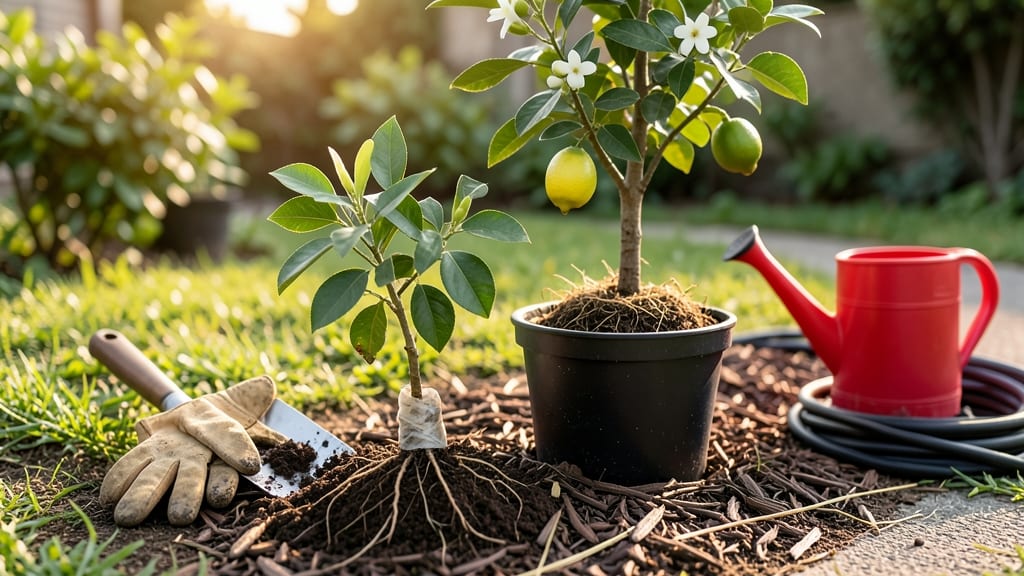
Planting your citrus tree 🍊 at the wrong time in Arizona could mean the difference between a thriving orchard and a sad, sun-scorched sapling. The key to success isn't just about waiting for spring—it's about understanding your local microclimate, from Phoenix's relentless summer heat to Tucson's slightly cooler high desert zones.
Most Arizona gardeners assume citrus trees can handle any season, but the truth is, timing matters more than you think. Planting during the dormant season—November through March—gives your tree the best chance to establish roots before summer's brutal heat kicks in.
This isn't just theory; it's what separates the citrus trees that produce fruit for years from those that struggle from day one.
In this guide, I'll break down the exact planting windows for Arizona's diverse regions, including when to avoid planting (hint: monsoon season is a no-go), how to prep your soil for maximum growth, and the post-planting care that keeps your tree thriving.
Whether you're in the Low Desert or High Desert, you'll learn how to give your citrus tree the perfect start.
Ready to grow citrus that actually bears fruit? Let's dive into the science—and secrets—of planting citrus trees in Arizona's extreme climate.
Optimal planting months for Arizona citrus trees by microclimate zone
Arizona’s diverse climate means one planting window doesn’t fit all. The Low Desert (Phoenix/Tucson) and High Desert (Prescott/Sedona) have starkly different conditions, while coastal areas like Yuma offer unique microclimates. Understanding these zones helps you choose the perfect time to plant for your citrus tree’s success.
Citrus trees thrive when planted during their dormant season, which in Arizona typically runs from November through March. This timing allows roots to establish before the intense summer heat arrives. However, elevation and temperature variations create distinct planting windows across the state.
For Low Desert regions (USDA Zones 9b-11), like Phoenix and Tucson, the ideal planting window is November to February. These areas experience mild winters and scorching summers, so planting in late fall or winter avoids transplant shock during extreme heat.
Container-grown trees can also be planted in early March, but bare-root trees should be in the ground by late February at the latest.
The High Desert (Zones 7b-9a), including Prescott and Sedona, has cooler winters and shorter growing seasons. Here, the planting window extends slightly later: December through March. The cooler temperatures allow for safer root establishment, but avoid planting in January’s cold snaps, which can stress young trees.
Coastal areas like Yuma (Zone 10a) have unique conditions with lower humidity and intense sunlight. Planting here follows the Low Desert schedule but with extra attention to watering schedules. The best months are November to January, as the cooler coastal breezes reduce heat stress on newly planted trees.
🌱
Bare-root citrus trees are best planted during their dormant season, which aligns with Arizona’s winter months. These trees have unprotected roots and are more susceptible to transplant shock if planted in hot weather.
For container-grown trees, the window is slightly wider, but avoid planting during monsoon season (July–September), as heavy rains can dislodge young trees and cause root rot.
If you miss the ideal window, container-grown trees can be planted in early spring (April), but be prepared for extra care during the first summer. Use shade cloth and deep watering to help the tree establish before the heat peaks.
For bare-root trees, waiting until the next dormant season is always the safest option.
Citrus trees planted in late winter (March) may struggle with summer heat stress, especially in the Low Desert. To mitigate this, mulch heavily around the base of the tree and provide daily shade during peak sun hours (10 AM–4 PM) until the tree is established.
💧
Critical factors that determine the best planting time for citrus in AZ
Arizona’s microclimates create wildly different conditions—what works in Phoenix’s Low Desert may fail in Prescott’s High Desert. The best planting time depends on three key factors: soil temperature, frost risk, and humidity levels.
Let’s break down how to assess your local conditions before digging that first hole.
First, check your soil temperature. Citrus roots thrive when soil stays above 60°F (15°C). In Phoenix, this means planting after the November-December heatwave cools soils. In cooler high desert areas like Flagstaff, you can plant as early as September when nights dip below 70°F (21°C).
Use a soil thermometer—it’s your best tool for timing.
Don’t assume Arizona has zero frost risk. While rare, unexpected cold snaps can hit high desert regions (like Sedona or Payson) with temps dropping to 28°F (-2°C).
If you’re planting in these areas, wait until after Thanksgiving to ensure your tree avoids winter stress. Even dwarf varieties need protection if planted too early.
🌱 Key Takeaways for Planting Timing
- Soil Temp: Wait until soil is 60°F+ (use a thermometer)
- Frost Risk: High desert areas need post-Thanksgiving planting
- Humidity: Avoid monsoon season (July-Sept)—high humidity stresses roots
- Water: Plant when irrigation is reliable (drought stress kills young trees)
Pro Tip: Container-grown trees adapt faster than bare-root—plant them anytime soil is workable.
Humidity plays a sneaky role too. Arizona’s monsoon season (July-September) brings sudden downpours and fungal risks. Planting during this time can lead to root rot or blight. Instead, aim for November-March when humidity drops and days are cooler. Even in the desert, afternoon shade becomes critical during these months.
Finally, water availability determines success. Young citrus trees need consistent moisture to establish roots, but Arizona’s summer drought can dry soil in days. If you’re planting in April-May, ensure you have a drip irrigation system or can water deeply twice weekly.
Without reliable water, even the best planting timing fails.
Use this quick