
Plants
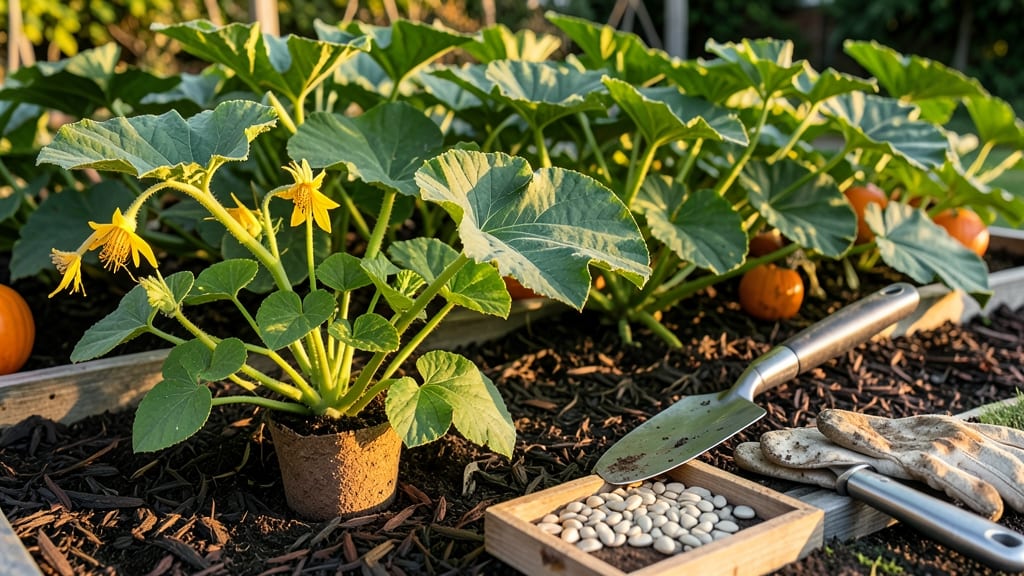
If you've ever dreamed of growing your own pumpkins 🌱 in Michigan, timing your planting could make the difference between a thriving harvest and a sad, wilted vine.
The key to success lies in understanding when soil temperatures reach that sweet spot of 70°F+—a critical factor for pumpkin germination that many gardeners overlook.
Michigan's climate, with its varying USDA zones and unpredictable spring weather, demands a strategic approach. Whether you're in the Upper Peninsula or the Lower Peninsula, planting too early risks frost damage, while waiting too long shortens the growing season.
I'll walk you through the exact windows you need to aim for—from starting seeds indoors to direct sowing in your garden bed.
You'll discover how to adjust your schedule based on last frost dates, soil warmth, and even regional microclimates that can shift your ideal planting window by weeks. No more guesswork—just reliable, science-backed advice tailored to Michigan's unique growing conditions.
Ready to grow pumpkins that rival the ones at the farmers' market? Let's dive into the most important steps to ensure your vines thrive from seed to harvest, no matter where you're planting in the state.
Michigan pumpkin planting timeline by soil temperature and frost zones
Pumpkins thrive when planted after the last frost and in warm soil—ideally between 55°F and 60°F. In Michigan’s USDA Zones 4–6, this typically means late May to early June, but exact timing varies by region.
Southern Michigan gardens often get a jumpstart by 2–3 weeks earlier than northern areas like the Upper Peninsula.
For reliable germination, use a soil thermometer to confirm warmth before planting. Direct-sowing seeds too early risks rot or stunted growth from cold soil, while waiting too long cuts your harvest window. Michigan’s frost-free period averages 120–150 days, so plan accordingly.
Here’s how to align your planting with Michigan’s microclimates:
If your soil stays cold, opt for transplants instead of seeds. Start seeds indoors 2–3 weeks before your last frost date, using biodegradable pots to avoid root disturbance. Harden off seedlings for 7–10 days before transplanting after soil warms.
For extended harvests, stagger plantings every 2 weeks in late May and early June. This spreads out your 75–90-day harvest window, ensuring pumpkins mature before Michigan’s first frost (typically late September to October).
Pro tip: Use black plastic mulch to warm soil faster and suppress weeds. This can shave 1–2 weeks off your planting timeline by raising soil temperatures by 5–10°F.
In Zone 4 areas, prioritize fast-maturing varieties (e.g., ‘Jack Be Little’ at 70 days) to beat early frosts. Southern gardeners can experiment with longer-season varieties like ‘Howden’ (90 days) for larger pumpkins.
Always check your local Michigan State University Extension frost date maps for yearly adjustments. A late spring? Delay planting. An early fall? Rush smaller varieties.
🌱
How to adjust pumpkin planting for Michigan’s unpredictable weather patterns
Michigan’s late spring frosts and early fall cold snaps can derail even the most eager pumpkin grower. The Upper Peninsula faces shorter growing seasons (90-100 frost-free days), while Southern Michigan enjoys 120-140 days—so your planting strategy must adapt.
I’ve learned the hard way that rigid schedules fail when Mother Nature throws curveballs.
Your first defense is staggered planting. Instead of one big sowing day, spread seeds 2-3 weeks apart to ensure at least one batch survives unexpected chills. For Southern Michigan, start with transplants in late May and follow with direct sowing in early June.
In the UP, delay until after Memorial Day and use black plastic mulch to warm soil faster.
🌱 Row covers are my secret weapon against late frosts. Lightweight fabric traps heat and protects seedlings until they’re 3-4 inches tall. Remove covers during the day to prevent overheating—pumpkins wilt just as easily from too much sun as from cold!
For early cold snaps in September, extend the season with row tunnels or cold frames to safeguard maturing fruits.
⚠️ Watch for False Signals
Daytime temps in the 70s can fool you—nighttime frosts (below 50°F) will still kill tender seedlings. Always check your local frost forecast (like Michigan State University’s alerts) and have emergency row covers ready. A single 28°F night can turn your pumpkin patch into a science experiment.
Choose cold-hardy varieties like ‘Jack Be Little’ (maturity: 75 days) or ‘Waltham Butternut’ (85 days) for Northern Michigan. These tolerate cooler soils and shorter seasons better than giant carving pumpkins.
In Southern Michigan, opt for ‘Howden’ (80 days) or ‘Cinderella’ (90 days) for reliable harvests before first frost (typically mid-October).
If your season feels too short, try container growing. Pumpkins like ‘Baby Boo’ thrive in 5-gallon buckets and can be moved to sunny patios or garages with grow lights during heatwaves.
This buys you 2-3 extra weeks of growth when outdoor conditions turn hostile. Just ensure containers have drainage holes—pumpkins hate soggy roots!
Finally, monitor soil temps daily with a soil thermometer. Pumpkin seeds need 60°F+ soil to germinate; if it’s cooler, wait or use a seedling heat mat. In Northern Michigan, I’ve seen 30-day delays between average frost dates and actual safe planting—don’t let the calendar rush you.
Patience here means the difference between wilted seedlings and jack-o’-lanterns.