
What changed, and what it changed for you
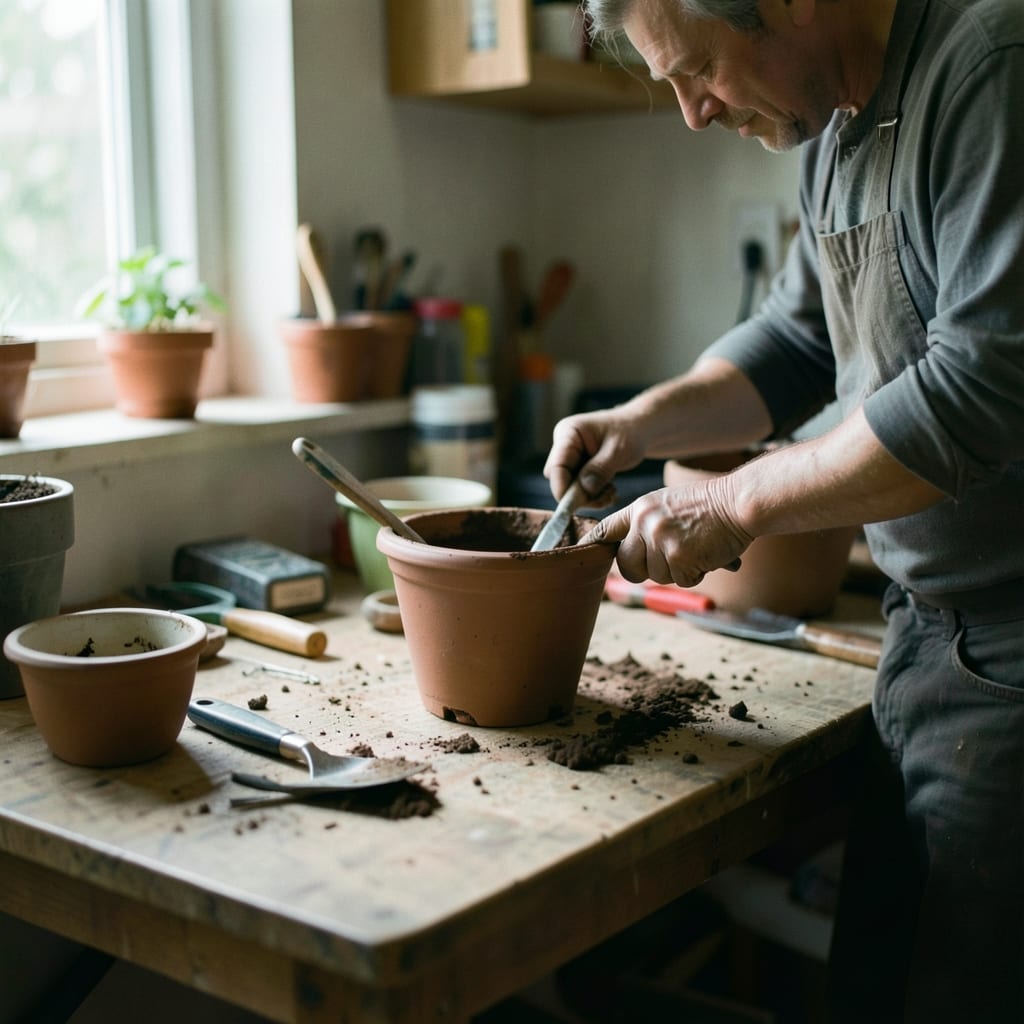
This site began as a scrapbook of my grandmother’s garden—notes scribbled on the back of seed packets, half-remembered advice about when to prune tomatoes. The first version was a mix of copied care guides and my own guesses, all wrapped in the assumption that gardening was a set of rules.
If your zucchini didn’t grow, you’d done something wrong. The ‘how-to’ pages were just regurgitated Wikipedia entries with a few photos of plants that looked nothing like what readers actually grew.
Now it’s built around the things that don’t work. Every guide starts with a failure—‘This method killed my peppers in Zone 6’—then shows how to adjust it. The soil tests aren’t just pH charts; they’re side-by-side comparisons of the same patch before and after compost. And the ‘reader reports’ section?
That’s where people send in photos of their brown thumbs thriving, with notes like *‘I followed the “drought-proof” basil guide but added coffee grounds—here’s what happened.’* You’ll still find care instructions, but they’re buried under the real-world exceptions.
| It used to be | Now it is |
|---|---|
| Generic care advice (‘Water when dry’) | Soil-specific guides (‘Clay holds moisture—water every 10 days unless it’s a heatwave’) |
| Stock photos of ‘ideal’ gardens | Time-lapses of real gardens (wilted leaves, overgrown weeds, successful patches) |
| A single ‘best practices’ list | Split by climate zone, soil type, and container size |
| No mention of failures | Every guide opens with a ‘what went wrong’ case study |
The one that took years
The first two years, I refused to write about soil. Not because I didn’t care—because I didn’t understand it. My grandmother’s garden in Ohio had rich, dark loam, and I assumed all soil was the same.
When readers asked why their plants kept dying, I’d shrug and say *‘Maybe your soil’s bad?’* without knowing how to test it or fix it.
The problem wasn’t laziness; it was that I’d never dug into the science beyond ‘add compost.’ I’d read articles about mycorrhizal fungi but had no idea how to encourage them in a backyard plot.
It stayed broken for three years because I kept looking for quick fixes. I bought expensive test kits, then ignored their results. I tried ‘miracle-grow’ solutions that worked in controlled trials but failed in real gardens.
The turning point came when a reader in Arizona sent a photo of her cacti rotting—she’d followed my ‘low-water’ advice but her soil was sand. I realized I’d been treating soil like a background detail instead of the foundation. The fix?
I stopped writing about plants and started writing about *dirt*: how to test it, how to amend it, and why your neighbor’s ‘perfect’ roses might be choking yours.
Now the soil section is the largest part of the site, and it costs $800 a year in lab tests alone. Every ‘plant profile’ includes a soil requirement chart, and the ‘troubleshooting’ guides are organized by compaction, drainage, and pH. The hardest part isn’t the money—it’s the humility.
Admitting that my first soil advice was useless took two years of reader emails like *‘My tomatoes are fine in this exact same dirt—what am I missing?’* The answer was always *‘Your soil isn’t the same.’*
Meet the author

I used to think gardening was about patience. You planted a seed, waited, and hoped. My first attempts were disasters—I’d overwater, then panic and underwater, then blame the seed packet for lying.
I’d read forums where people argued about whether marigolds repelled rabbits, and I’d take notes like they were gospel. The worst mistake? Assuming that because my grandmother’s garden thrived, *anyone’s* would if they followed her methods.
I never considered that her soil was black gold and mine was clay that turned to concrete when dry.
I wrote like I gardened: with rigid rules and no room for error. My early posts were lists of *‘do this, don’t do that’* with no explanation of why. I’d get frustrated when readers ignored advice and their plants died, not realizing I’d never taught them how to adapt.
The breaking point came when a reader sent a photo of her dead ferns—she’d followed my ‘low-light care’ guide, but her apartment had no natural light. I’d never asked *where* they were growing.
What changed: I stopped writing for perfection.
Now I write for the mess. Clifford Rivas runs this site, and his job is to document the things that go wrong before they go right. If a post doesn’t include a ‘what could kill this plant’ section, it’s not done. The soil tests?
They’re not just data—they’re proof that gardening isn’t about following instructions. It’s about learning why your instructions failed, then trying again. And if you’re still struggling? The contact page is where we dig into the dirt together.
What did not change
The core belief hasn’t wavered: plants don’t care about your intentions. They care about the conditions you give them. My grandmother’s garden taught me that the best advice isn’t *‘plant this’*—it’s *‘watch how it reacts, then adjust.’* That’s still the foundation. The other thing that stayed the same?
The Ohio roots. Every post references something from her garden—whether it’s her ‘never prune before June’ rule or the way she’d press mint into the soil to keep pests away. Those lessons are the only ones I’ve never tested in a lab.
The tone hasn’t shifted either. I still write like I’m talking to myself in the backyard, not to a perfect gardener. The site’s tagline—*‘The seed’s first crack—where light meets the soil’s hidden promise’*—was there from day one.
It’s not poetic fluff; it’s a reminder that the most exciting part of gardening isn’t the harvest. It’s the moment you realize you’ve figured out how to coax life from something that was just dirt.
What is still being fixed
The biggest work right now is making the site useful for people who garden in containers. Potted plants behave differently—drainage, water retention, even sunlight shifts when you move a pot. The current guides mix advice for in-ground and container gardening, and it’s confusing.
I’m rewriting every ‘care basics’ section to separate the two, but it’s slow because I have to retest everything. A tomato in a 5-gallon pot needs half the water of one in the ground, but the roots behave like they’re in a desert.
The fix will cost another $500 in soil tests and a year of reader reports from balcony gardens.
If you’ve got a plant that won’t thrive—or a soil mystery you can’t crack—there’s a place for that on the contact page. Bring the details: photos, your location, what you’ve tried. The best fixes come from the people who send in their failures.
Things that would help
- Photos of your struggling plants (top and bottom of leaves, roots if possible)
- A note on your soil type (sandy? clay? potted mix?) and last watering date
- What you’ve tried already—and what didn’t work
The guides are grouped by category: Advice, Aphids, Companion Plants, Flowers, How To and Planting.