
Plants
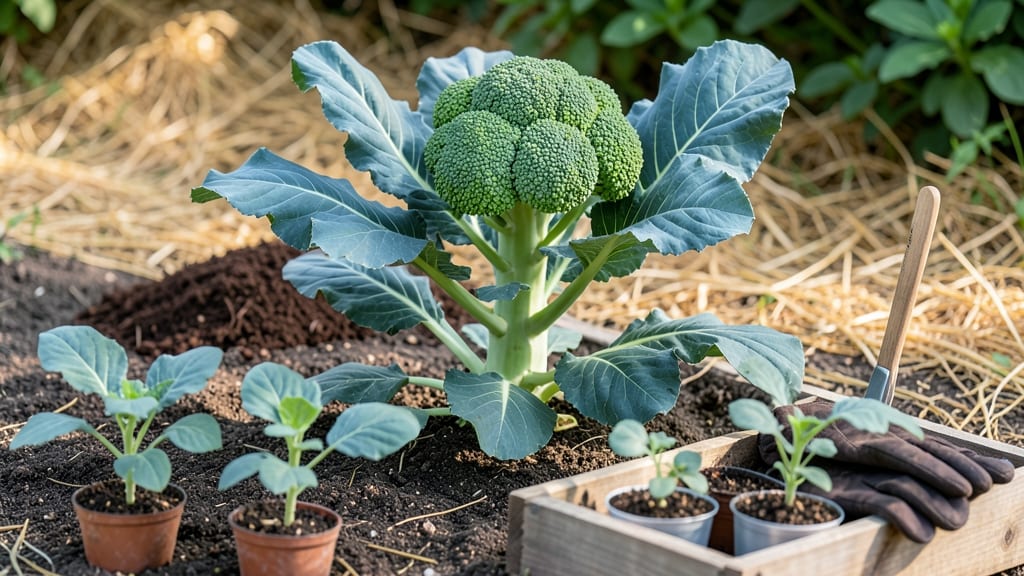
If you’ve ever watched your broccoli 🥦 plants bolt into bitter flowers instead of tasty heads, you’re not alone—especially in Zone 7b’s tricky climate. The key to avoiding this frustration? Planting at the perfect time, when soil temps and frost risks align just right for cool-season success.
Zone 7b gardeners face a unique challenge: mild winters and scorching summers that can turn broccoli into a sad, flowering memory.
But here’s the game-changer: timing your plantings 4–6 weeks before the last frost (early spring) or 90 days before the first frost (late summer) sets you up for harvests in May and October.
Why does this matter? Broccoli thrives in 40°F–70°F soil, but in Zone 7b, waiting too long means heat stress—or worse, bolting. I’ll show you exactly how to nail those windows, plus soil tricks to keep your plants cool and happy.
Ready to grow broccoli that’s bold, beautiful, and ready to harvest? Let’s dive into the soil-temperature secrets that’ll make your garden the envy of the neighborhood.
Optimal planting windows for broccoli in Zone 7b (soil temp guide)
Broccoli thrives as a cool-season crop, but Zone 7b’s mild winters and hot summers demand precise timing. The key is planting when soil temps hover between 40°F and 70°F—too cold delays growth, while too hot triggers bolting (flowering prematurely).
For Zone 7b, this means two ideal windows: early spring and late summer.
Spring planting should start 4–6 weeks before your last frost date (typically late March to early April in Zone 7b). Fall plantings, however, require 90–120 days before the first frost (aim for late August to early September). These windows align with soil temps perfect for germination and head formation.
| Planting Window | Soil Temp Range | Zone 7b Months | Frost Risk | Harvest Window |
|---|---|---|---|---|
| Early Spring | 40°F–50°F | Late March–Early April | Moderate (use row covers) | May–June |
| Late Summer | 60°F–70°F | Late August–Early September | Low (extended season) | October–November |
| Extended Spring | 50°F–60°F | February (under cover) | High (use cloches) | April–May |
For spring plantings, start seeds indoors 6–8 weeks before your last frost (early February) to transplant outdoors once soil warms to 40°F. Use black plastic mulch to accelerate soil warming if needed. In Zone 7b, this often means transplanting by mid-April for a May harvest.
Fall plantings are trickier—aim for late August to avoid summer heat stress. Use shade cloth or plant in partial shade if temps exceed 80°F. For a second fall crop, try succession planting every 2 weeks from late July to early September.
Zone 7b’s microclimates can shift planting windows by 2–3 weeks. Urban areas with concrete heat retention may need earlier plantings, while rural plots with cooler nights can extend windows. Always check 7-day soil temp forecasts before planting.
Pro tip: Test soil temps with a soil thermometer at 4 inches deep—this is where roots will be. If temps dip below 40°F, delay planting or use row covers to protect seedlings.
Remember, broccoli is day-neutral, meaning it won’t bolt from long daylight—but heat stress (above 75°F) will. In Zone 7b, this is why fall plantings often outperform spring ones.
For heat-tolerant varieties, try 'Waltham 29' or 'De Cicco'. These handle 80°F+ temps better than standard types, giving you flexibility if your summer runs hot.
Optimal planting windows for broccoli in Zone 7b (soil temp guide)
In Zone 7b, timing is everything for broccoli success. The ideal soil temperature for planting ranges between 40°F and 70°F. Planting too early risks frost damage, while waiting too long triggers bolting (premature flowering).
Aim for late March to early April for spring plantings or September to October for fall harvests.
Zone 7b’s last frost date typically falls around March 15, giving you a 4-6 week window before transplanting seedlings. For fall, count back 90-120 days from your first frost (November 15) to determine your final planting date. This ensures mature heads before winter sets in.
🌱
| Planting Window | Soil Temp | Frost Risk | Action |
|---|---|---|---|
| Early Spring (Feb-March) | 40°F-50°F | High (use row covers) | Start seeds indoors |
| Spring (March-April) | 50°F-60°F | Moderate (after last frost) | Transplant seedlings |
| Fall (August-Sept) | 60°F-70°F | Low (harvest before frost) | Direct sow or transplant |
| Late Fall (Oct-Nov) | Below 50°F | Very High | Avoid (plants won't mature) |
For spring plantings, begin with seedlings indoors 4-6 weeks before your target transplant date. Use grow lights if natural light is limited, and harden off seedlings for 7-10 days before moving them outdoors. In Zone 7b, this means starting seeds by mid-February for a late March transplant.
Fall plantings offer a second harvest opportunity. Start seeds indoors by mid-July or direct sow outdoors in early August to ensure heads mature before November 15. Choose heat-tolerant varieties like 'De Cicco' or 'Green Gems' for better success in late summer heat.
Monitor soil temperatures with a thermometer—broccoli thrives when soils stay between 60°F and 65°F during active growth. If temperatures climb above 75°F, plants may bolt prematurely. Use shade cloth or drip irrigation to keep foliage cool during heatwaves.
🌡️