
Plants
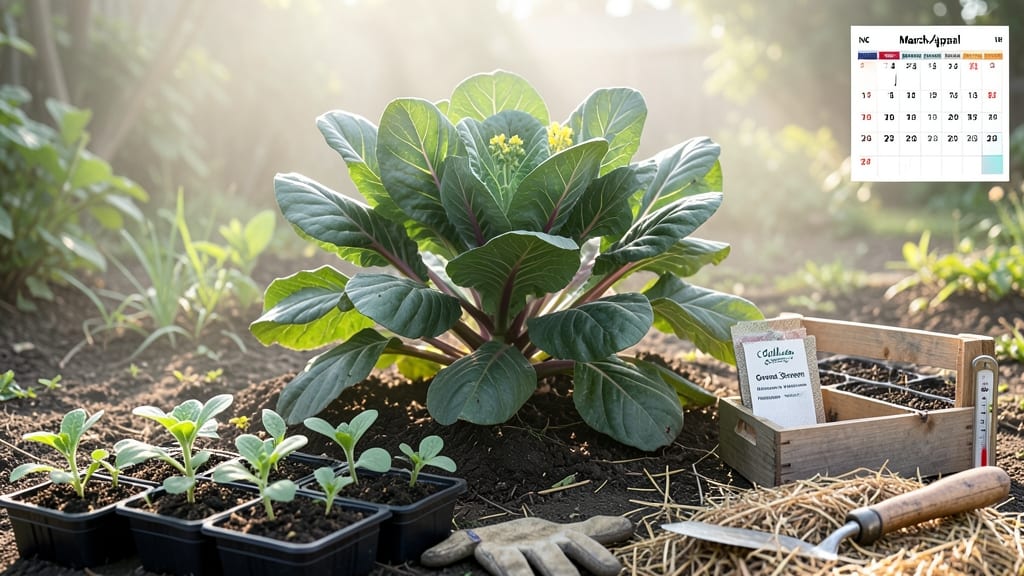
When to plant collard greens in North Carolina isn’t just about timing—it’s about unlocking a year-round harvest of sweet, tender 🥬 leaves that thrive even when temperatures dip. Whether you're in the Piedmont or Coastal Plains, getting this right means the difference between a bountiful garden and a disappointing one. I’ll show you exactly when to start seeds indoors or sow directly, so you can enjoy fresh collards from spring through fall without the guesswork.
Collard greens are cool-season superstars, but they’re tough enough to handle North Carolina’s mild winters in zones 6b-8a. The key is planting them early enough to avoid bitter flavors from heat stress, yet late enough to establish strong roots before the first frost.
Most gardeners in NC get two harvests per year—one in spring and another in fall—but with the right techniques, you can stretch that even further.
If you’ve ever wondered why your collards bolt too quickly or taste tough, it’s likely because they were planted at the wrong time. I’ll break down the perfect windows—March-April for spring and August-September for fall—plus how to adjust for microclimates.
Ready to grow collards that keep coming back? Let’s dive into the schedule that works for your NC garden.
You’ll also discover whether to start seeds indoors or sow directly, how to protect young plants from late frosts, and when to fertilize for maximum growth. By the end, you’ll have a foolproof plan to enjoy homegrown collards for months—no more wasted effort or missed harvests. Let’s get planting!
Best planting times for collard greens in North Carolina’s climate zones
North Carolina’s USDA Zones 6b–8a create a perfect climate for growing collard greens, but timing is critical to avoid bitter leaves or poor yields. These cool-season crops thrive when temperatures stay between 40°F and 85°F, making early spring and late summer the ideal planting windows.
In Zone 7b (Piedmont), aim for March–April and August–September, while Zone 8a (Coastal) can extend planting slightly later into April–May and September–October.
Collard greens are frost-tolerant, meaning they can survive light freezes down to 20°F, which works to your advantage in NC’s mild winters. However, planting too late in fall risks pre-frost bolting—when plants flower prematurely due to cold stress.
The key is to start seeds 6–8 weeks before the last frost (typically March 15 in Zone 7b and April 15 in Zone 8a) or sow directly when soil reaches 40°F. This ensures a steady harvest before winter sets in.
For Coastal NC (Zone 8a), where winters are milder, you can even plant collards in late summer (August) for a fall harvest before the first frost (November 15).
In contrast, Piedmont (Zone 7b) gardeners should prioritize early spring planting to capitalize on cooler temperatures and avoid summer heat stress. Microclimates matter too—elevated areas may experience earlier frosts, while low-lying zones near water can stay warmer longer.
| Planting Window | USDA Zone | Temperature Range | Key Considerations |
|---|---|---|---|
| Early Spring (March–April) | 6b–8a | 40°F–75°F | Start seeds indoors or direct-sow after last frost. Avoid planting too early—cold, wet soil causes rot. |
| Late Summer (August–September) | 7b–8a | 65°F–85°F | Ideal for Zone 8a. Plant 6–8 weeks before first frost to harvest before winter. |
| Fall (October–November) | 6b–7b | 50°F–70°F | Risky in Zone 6b; limit to early October. Use row covers to extend harvest. |
If you’re direct-sowing collard seeds, wait until the soil temperature stabilizes above 40°F—this usually aligns with mid-March in Zone 7b and late March in Zone 8a. For indoor starts, begin seeds 6–8 weeks before your last frost date under grow lights or on a sunny windowsill.
Harden off seedlings for 1–2 weeks before transplanting to avoid shock. In Coastal NC, where winters are milder, you can even overwinter collards with mulch or row covers for a year-round harvest.
One common mistake is assuming all of NC follows the same schedule. For example, Asheville (Zone 6b) has earlier frosts than Wilmington (Zone 8a), so adjust planting dates accordingly. Use your local Cooperative Extension Service for precise frost dates, or track soil temps with a soil thermometer.
Pro tip: Plant collards with radishes or lettuce—the radishes mature quickly and mark where to avoid planting collards in the same spot next year (they’re Brassica family, so crop rotation prevents disease).
For maximum yield, space collard seedlings 12–18 inches apart in rows 24–30 inches apart. This gives leaves room to grow without crowding, reducing the risk of disease from poor airflow.
In Container gardening, use 5-gallon pots with well-draining soil and plant one collard per container for optimal growth. Containers warm up faster in spring, so you can plant 2–3 weeks earlier than in-ground.
Collard greens are self-seeding in NC’s mild climate, meaning they’ll bolt and drop seeds if left unharvested. To control this, deadhead flowers or pull volunteer plants in spring. Save seeds from your healthiest plants for next year’s garden! If you’re aiming for <
Best planting times for collard greens in North Carolina’s climate zones
Collard greens in North Carolina thrive when planted during two key windows: early spring (March-April) and late summer (August-September). These timings align with the state’s USDA zones 6b-8a, where mild winters and hot summers create perfect conditions for cool-season crops. The goal? Avoid bitter flavors from heat stress while ensuring strong root establishment before frost.
In Zone 7b (Piedmont), your last frost typically falls around March 15, while Zone 8a (Coastal Plains) sees it closer to April 15.
For fall plantings, aim to sow seeds by August 15 in Zone 7b or September 1 in Zone 8a—this gives plants 60-70 days to mature before the first frost (November 1 in Zone 7b, December 15 in Zone 8a).
Soil temperature is critical: collards germinate best in soil that’s at least 40°F (4°C). In North Carolina, this usually means waiting until mid-March for spring plantings and early August for fall. Use a soil thermometer to confirm—cold soil delays germination and weakens seedlings.
| Season | Planting Window | Zone 7b (Piedmont) | Zone 8a (Coastal) | Key Consideration |
|---|---|---|---|---|
| Spring | March-April | Start seeds indoors Feb 15-Mar 1 or direct sow Mar 15-Apr 15 | Direct sow Mar 30-Apr 30 | Avoid late frosts (wait until soil ≥40°F) |
| Fall | August-September | Direct sow Aug 1-Aug 15 | Direct sow Aug 15-Sep 1 | Harvest before first frost (Nov 1 in 7b, Dec 15 in 8a) |
| Overwinter | September-October | Sow Sep 15-Oct 15 for winter harvest | Sow Sep 30-Oct 30 for winter harvest | Use row covers for frost protection |
Microclimates matter in North Carolina! Coastal areas like Wilmington (Zone 8a) can handle slightly later plantings due to milder winters, while inland Asheville (Zone 6b) may need earlier starts.
For example, if you’re in the Piedmont region, err on the side of planting 2 weeks earlier than the schedule above to account for colder nights.
Pro tip: Seed-starting indoors gives you a head start. Begin collard seeds 6-8 weeks before your last frost date (so late January to early March in most of NC). Transplant seedlings outdoors after hardening them off for 7-10 days.
This method extends your growing season and ensures you’re not rushing to get seeds in the ground when soil is still cold.
Remember, collards are cold-hardy but not frost-tolerant. If a late frost threatens, use row covers or cloches to protect young plants. With the right timing, you’ll enjoy fresh collards from May through November—no bitter aftertaste in sight! 🥬