
Plants
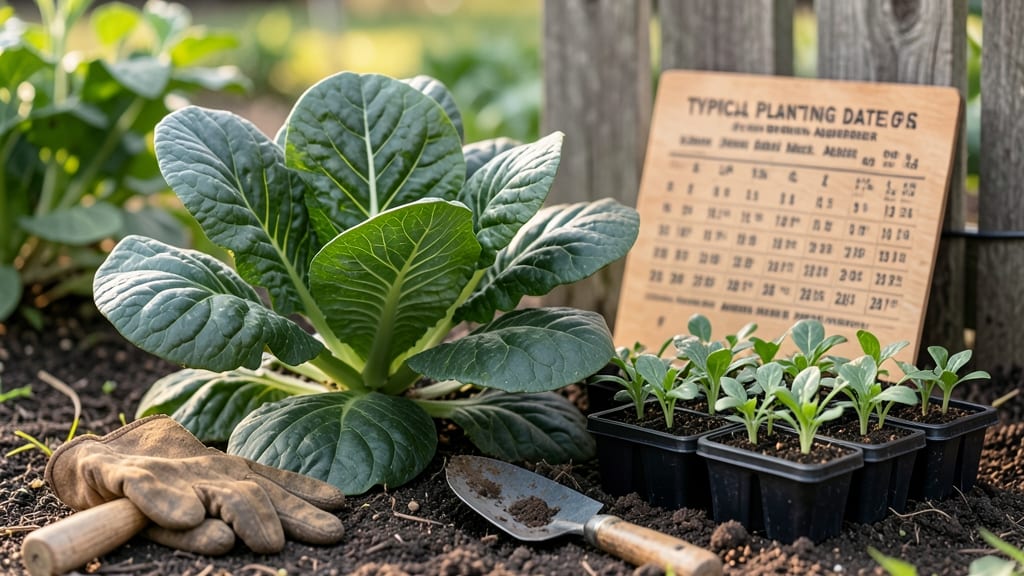
If you’ve ever wondered when to plant collard greens in SC for a bountiful harvest, the answer isn’t as simple as “spring and fall”—it’s about working with South Carolina’s unique climate to stretch your growing season as far as possible.
These cold-hardy greens 🥬 can survive light frosts, making them a gardener’s secret weapon for year-round freshness, but timing still matters to avoid bitter leaves or wasted effort.
Most gardeners in USDA Zone 8a focus on the classic windows: mid-February to late March for spring and August to early September for fall.
But here’s the game-changer—with the right techniques, you can push those harvests even further, giving you tender greens well into winter or early spring when other crops fade away.
Why does this matter? Because collard greens don’t just tolerate cold—they thrive in it. A well-timed planting can mean the difference between a handful of sad, bolted leaves and a steady supply of flavorful greens for your table.
Let’s break down the exact schedule, soil prep, and frost-smart strategies to maximize your yield without the guesswork.
Whether you’re a beginner or a seasoned gardener, these insights will help you plan with confidence.
By the end, you’ll know not just when to plant, but how to protect your crop from unexpected freezes and stretch your harvest season longer than you ever thought possible in South Carolina’s mild winters.
Best planting times for collard greens in South Carolina’s climate zones
South Carolina’s USDA zones 7b-8a create perfect conditions for growing collard greens, but timing your planting is critical to avoid frost damage or premature bolting. Unlike heat-sensitive crops, collards thrive in cooler temperatures, making fall and early spring the ideal windows for planting.
My experience shows that starting seeds 4-6 weeks before the last frost date (around mid-February to late March) ensures a robust harvest by late spring.
For a fall harvest, plant seeds 8-10 weeks before the first frost (typically August to early September in SC). This timing allows collards to mature before temperatures drop below 20°F, their frost tolerance threshold.
In coastal areas like Charleston, where winters are milder, you can even extend planting into early October with frost protection.
Here’s the key: soil temperature matters just as much as air temperature. Collard seeds germinate best in soil that’s at least 50°F. In SC’s humid subtropical climate, this usually means waiting until late February for spring or mid-August for fall to avoid soggy, slow-to-warm soil.
I’ve found that using a soil thermometer eliminates guesswork—just stick it in the ground at 4 inches deep before planting.
| Season | Planting Window (SC) | Soil Temp Requirement | Frost Risk | Harvest Window |
|---|---|---|---|---|
| Spring | Mid-February to Late March | ≥50°F | Low (after March 15) | April - May |
| Fall | August to Early September | ≥55°F | Moderate (after Nov 15) | October - November |
| Winter (Coastal SC) | Late September (with protection) | ≥45°F | High (use row covers) | December - February |
One common mistake I see is planting collards too early in spring when soil is still cold. Seeds may rot or take weeks to germinate, giving weeds a head start. To avoid this, I recommend direct sowing seeds (not transplanting seedlings) in well-drained, compost-amended soil.
This method also reduces transplant shock, which is especially critical in SC’s hot, humid summers when seedlings struggle.
For upstate SC (zones 7b), where nights get colder, aim for late March planting to push harvests into late May. In coastal areas, you can start as early as February 1st thanks to milder winters.
I’ve had success using black plastic mulch in early spring to warm the soil faster, which can shave 1-2 weeks off your planting timeline.
Pro tip: If you’re eager for an early harvest, try starter plants from local nurseries in late January. Just harden them off properly by placing them outdoors for 2-3 hours daily before transplanting. This gives you a 3-week head start compared to direct sowing.
Remember, collards are biennial plants, meaning they can survive mild winters and even produce sweeter leaves after frost. This makes them one of the most forgiving crops for SC gardeners—just get the timing right, and you’ll enjoy fresh greens for months.
🥬
Best planting times for collard greens in South Carolina’s climate zones
South Carolina’s USDA zones 7b-8a create perfect conditions for growing cold-hardy collard greens. Unlike heat-sensitive greens, collards thrive in cooler weather, making fall and spring your best planting windows.
The key is timing your plantings to avoid early frost or summer bolting, while ensuring soil temperatures stay ideal for germination.
For spring plantings, aim for mid-February to late March—this gives seedlings time to establish before the last expected frost around March 15. In fall, plant between August and early September to ensure a harvest before the first frost hits around November 15.
These windows maximize your growing season while protecting tender seedlings from extreme temperatures.
| Planting Window | Ideal Soil Temp (°F) | Frost Risk | Harvest Timeline |
|---|---|---|---|
| Mid-February to Late March (Spring) | 50-65°F | Low (after March 15) | April - May |
| August to Early September (Fall) | 60-75°F | Moderate (before Nov 15) | October - November |
| Late September (Succession) | 55-60°F | High (winter protection needed) | December - February |
If you want to push your harvest into winter, try a late September succession planting. These seedlings will need row covers or mulch to survive light frosts, but they’ll reward you with tender leaves when other greens bolt in summer heat.
Just remember: soil temperature below 50°F slows germination, so wait until late August or early September for this approach.
For gardeners in cooler microclimates (like the Upstate) or warmer coastal areas, adjust your timing slightly. Upstate gardeners may plant 2-3 weeks earlier to avoid early frosts, while coastal gardeners can extend fall plantings into mid-September thanks to milder winters.
Always check your local frost dates—they can vary by 1-2 weeks even within SC.
Pro tip: Direct sow collards in well-drained soil with a pH of 6.0-7.0. If starting indoors, transplant seedlings 4-6 weeks before your target planting date. Harden them off gradually to avoid transplant shock—a common mistake that stunts growth. With the right timing, you’ll enjoy harvests for 6+ months!
Don’t forget to mark your calendar for August 15 and March 1—these are my go-to reminders for fall and spring plantings. A little planning now means fresh collards on your table when other greens are struggling in the heat or cold.