
Plants
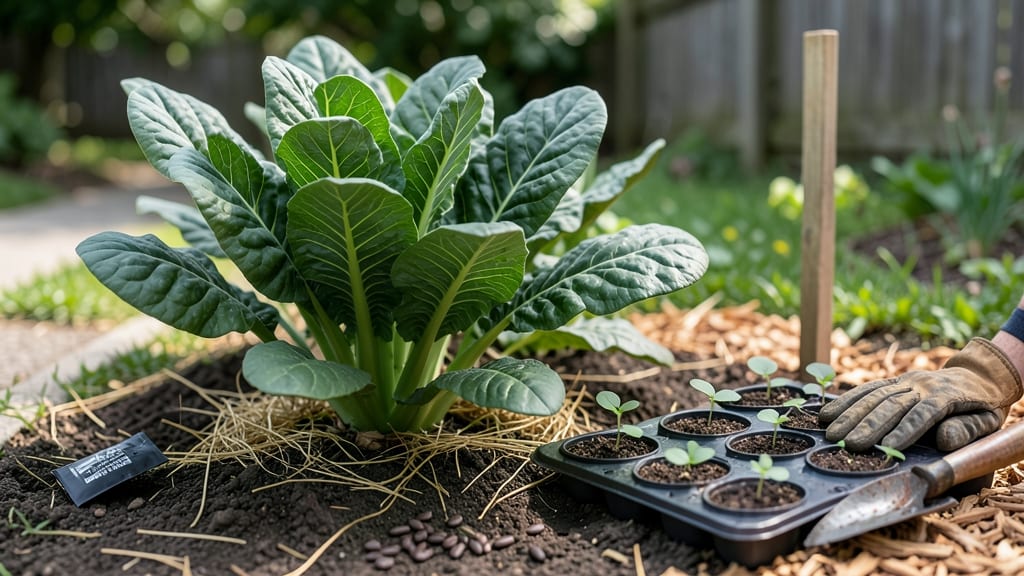
Knowing when to plant collard seeds in NC could mean the difference between a thriving garden and a lost investment—especially when unpredictable frost dates threaten your 🥬 harvest.
These hardy greens love cool weather, but planting too early risks seed rot in cold soil, while waiting too long means missing out on that sweet, frost-kissed flavor NC gardeners crave.
Here’s the game-changer: most NC gardeners in zones 7a-8b follow a simple frost-date hack—start seeds indoors in early March or sow directly in late March to early April, then repeat in August for a fall harvest.
This timing aligns perfectly with North Carolina’s climate, giving you two bountiful harvests: one in late spring and another in crisp autumn.
Why does this work? Collards thrive in cooler weather and even tolerate light frost, making them ideal for NC’s 210 frost-free days. But timing isn’t just about dates—it’s also about soil temperature.
We’ll show you how to check for the perfect conditions and avoid common mistakes that kill seedlings before they even sprout.
Ready to grow collards that taste like they came from a Southern grandmother’s garden? Let’s break down the exact steps, from seed to harvest, so you can enjoy fresh, homegrown greens all season long—no guesswork required.
NC collard planting calendar: frost dates & optimal seed timing
North Carolina’s three distinct climate zones—Coastal Plain, Piedmont, and Mountains—create wildly different frost dates for collard greens. In USDA zones 7b-8a, your last spring frost typically arrives between late February and mid-March, while the first fall frost hits anywhere from mid-October to late November.
These dates determine your three prime planting windows for collards: early spring, late summer, and fall.
For maximum frost-sweetened flavor, most NC gardeners focus on spring (March-April) and fall (August-September) plantings. The key is timing seeds so they mature 4-6 weeks before the first frost, giving you tender leaves just as they develop their signature sweetness from cooler temperatures.
Let’s break down the exact dates and strategies for each zone.
| Planting Window | Recommended Months | Soil Temp Requirement | Direct Sow vs Start Indoors | Harvest Window |
|---|---|---|---|---|
| Early Spring | March-April | 50°F+ (10°C+) | Direct sow after last frost OR start indoors 4-6 weeks before | May-June |
| Late Summer | July-August | 60°F+ (15°C+) | Direct sow only (avoid transplant shock in heat) | September-October |
| Fall | August-September | 55°F+ (13°C+) | Direct sow 4-6 weeks before first frost | October-November |
For Coastal Plain gardeners, aim for March 15-April 15 for spring plantings, while Mountain region growers should wait until April 1-April 30 to avoid late frosts. The Piedmont zone falls right in the middle with March 20-April 10 as the sweet spot.
Always check soil temperatures—collard seeds need at least 50°F (10°C) to germinate reliably.
Here’s my pro tip for NC gardeners: If you’re in Zone 7b, consider a late-July sowing for a fall harvest before winter sets in. This works especially well in the Coastal Plain, where mild winters allow collards to thrive through December.
Just be sure to mulch heavily with straw to protect tender seedlings from unexpected cold snaps.
One common mistake I see is planting collards too early in hopes of an early harvest. But cold, wet soil below 50°F (10°C) causes seeds to rot before they germinate. Always wait until soil temps are consistent at 55°F (13°C) or warmer—use a soil thermometer if you’re unsure.
This is especially critical in NC’s Piedmont, where nighttime temps can drop sharply.
For succession planting, sow new seeds every 2-3 weeks from March through September. This ensures a continuous harvest and prevents bolting (flowering) that ruins leaf quality.
In USDA Zone 8a, you can even push it to early October for a winter harvest, as collards are one of the most cold-hardy greens you can grow.
Remember: Collards taste sweeter after frost, but they must have time to mature before temps drop below 20°F (-7°C). Use row covers or low tunnels to extend your harvest window in NC’s cooler zones.
With the right timing, you’ll enjoy homegrown collards from May through December—that’s nearly half the year!
🌱
How to time collard seeds for maximum frost-sweetened flavor
Timing your collard seeds isn’t just about avoiding frost—it’s about harnessing it. The secret to those sweet, frost-kissed leaves NC gardeners love lies in planting 4-6 weeks before the first frost. This window triggers natural sugars to develop, creating that signature flavor.
For most of NC’s USDA zones 7a-8b, that means starting seeds in late August for a fall harvest or direct-sowing in early March for spring greens.
But how do you know exactly when to plant? The key is checking your local first frost date. For example, in the Piedmont region, the average first frost hits around November 15, so aim to plant by late September.
In the Coastal Plain, where frosts arrive later (often mid-October), you’ve got until early October. Use the NC State Extension frost calculator to pinpoint your exact dates—it’s a game-changer for precision planting.
Here’s the frost-sweetening hack: plant a second batch of seeds 2-3 weeks after your first planting. This staggered approach ensures a continuous harvest as temperatures drop. For instance, if your first frost is November 15, plant one batch on October 1 and another on October 15.
The first batch will mature just before the frost, while the second will sweeten up right after.
Plant 4-6 Weeks Before First Frost
Use NC State Extension to find your local frost dates—Coastal Plain vs. Mountains can vary by 2-3 weeks.
Stagger plantings 2-3 weeks apart for a continuous harvest through winter.
Don’t overlook soil temperature—collard seeds need soil that’s at least 45°F to germinate. In NC’s cooler regions like the Mountains (USDA 7a), wait until soil warms to this threshold, usually by mid-April.
In warmer zones like the Coastal Plain (USDA 8a), you can start as early as late February. Use a soil thermometer to check; planting in cold soil leads to rot and poor germination.
Once your collards are established, they’ll thrive through light frosts down to 20°F, making them perfect for NC’s fall and winter gardens. To protect young seedlings from unexpected late frosts, use row covers or cold frames.
This extra layer of insulation can push your harvest window even further, letting you enjoy collards well into December or January in milder microclimates.
Pro tip: If you’re growing collards for overwintering, mulch heavily with straw or leaves after the first frost. This insulates the roots and keeps the soil warm enough for growth. Just