
Plants
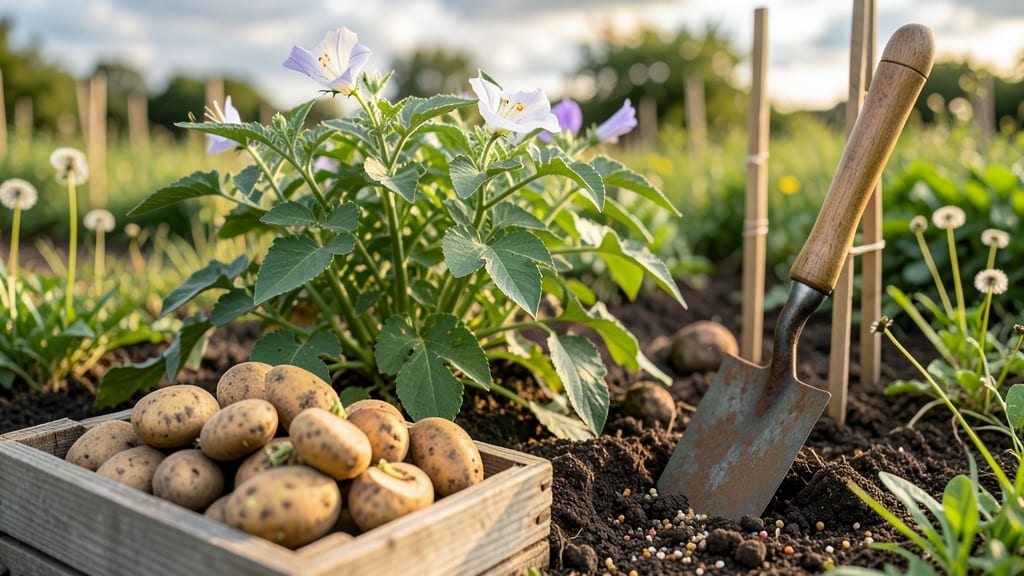
If you’ve ever planted potatoes in Colorado only to watch them bolt into flowers or rot in cold soil, you’re not alone. The Rocky Mountain climate throws a curveball at gardeners, but timing your 🥔 harvest right can turn those risks into a bumper crop.
Colorado’s spring frost dates vary wildly by elevation—from late April in Denver to June in higher zones—so knowing exactly when to stick those spuds in the ground is half the battle. I’ll break down the frost-free windows for your zone, plus soil tricks to outsmart Mother Nature’s mood swings.
Whether you’re a first-time gardener or a seasoned pro, planting potatoes at the wrong time means wasted effort. But with the right seasonal strategy, you’ll avoid bolting, maximize yield, and enjoy homegrown spuds from summer to fall—no guesswork required.
Let’s dig into the perfect planting timeline so your potatoes grow big, strong, and ready for harvest before the first frost hits. Ready to get started?
Colorado potato planting calendar by hardiness Zone (5-8)
Colorado’s diverse USDA hardiness zones (5-8) create unique challenges for potato growers. Unlike coastal states, our high-elevation valleys and mountain microclimates demand precise timing to avoid late spring frosts or early bolting.
I’ve planted potatoes across Denver’s urban gardens and Eagle County’s high plains, and trust me—getting the timing wrong means sad, green tubers instead of golden harvests.
Most Colorado gardeners focus on spring planting (March-May), but fall planting (August-September) works in warmer zones (7-8). The key? Soil temperature must reach 45°F (7°C)—colder soil = stunted growth. Use a soil thermometer to check before planting, especially in Zone 5 areas like Fort Collins where frosts linger.
Here’s your zone-specific planting calendar for Colorado, including early, mid, and late-season varieties to stretch your harvest window. I’ve included frost-free dates based on Colorado State University’s long-term averages—adjust ±1 week based on your local microclimate.
| USDA Zone | Avg. Last Frost | Ideal Planting Window | Soil Temp. Goal | Best Varieties |
|---|---|---|---|---|
| Zone 5 (Fort Collins, Grand Junction) | May 5–15 | April 15–May 1 (early) / Aug 1–15 (fall) | 45–50°F (7–10°C) | Yukon Gold, Red LaSoda, Kennebec |
| Zone 6 (Denver, Colorado Springs) | April 20–May 1 | March 20–April 15 / Aug 15–30 | 50–55°F (10–13°C) | Russet Burbank, Fingerlings, Purple Viking |
| Zone 7 (Boulder, Pueblo) | April 5–15 | March 1–March 31 / Sept 1–15 | 55–60°F (13–16°C) | Adirondack Blue, Sweet Potato, Carola |
| Zone 8 (Albuquerque NM, far SE CO) | March 1–15 | February 15–March 15 / Sept 15–Oct 1 | 60–65°F (16–18°C) | German Butterball, White Rose, Red Pontiac |
*Fall planting only works in Zones 7–8 with warm soil and no early frosts.
Pro tip: In Zone 5–6, use black plastic mulch to warm soil faster. I’ve seen it raise ground temps by 10°F (5°C) in just 2 weeks—game-changer for early planting! For high-altitude gardens (5,000+ ft), opt for early-maturing varieties like Red Norland (60 days) to beat bolting.
Colorado’s unpredictable weather means you’ll need to monitor 10-day forecasts closely. A late April frost in Denver can wipe out unprotected plants, while a hot May might cause bolting if soil stays too warm. Balance is key—aim for 50–60°F (10–15°C) soil temps during sprouting.
For fall planting, only attempt it in Zones 7–8 after September 15. Use small seed potatoes (1–2 oz) and plant 4–6 weeks before first frost.
The goal? A second harvest before winter sets in. I’ve had success with German Butterball in Albuquerque’s Zone 8—just cover with straw mulch as temps drop.
Remember: Elevation matters. A Denver garden (Zone 6) at 5,280 ft will have cooler soil than a Pueblo garden (Zone 7) at 4,700 ft. Adjust your planting dates 1–2 weeks later if you’re above 6,000 ft.
And always chit your seed potatoes (sprout them indoors) to jumpstart growth in our chilly springs.
Finally, succession plant every 2–3 weeks for a continuous harvest. Start with early varieties (60–75 days), then move to mid-season (75–90 days), and finish with late-season keepers (90+ days). This strategy lets you harvest through August before bolting sets in.
With this timeline, you’ll avoid the heartbreak of bol
How to time potato planting for zero-bolt success in Colorado’s climate
Colorado’s unpredictable spring weather can turn a potato patch into a disaster if you’re not prepared. The key to zero-bolt success lies in soil warmth and frost protection. Even if your local forecast says "last frost," soil temperature often lags behind air temperature by 2-3 weeks.
Use a soil thermometer to confirm 45°F+ before planting—this is your green light to avoid bolting.
I’ve learned the hard way that early planting in cold soil leads to rotten tubers, while waiting too long triggers premature flowering. The sweet spot?
Plant when your soil reaches 50°F and stays there consistently. For most Colorado zones, this falls between late April and early June, depending on elevation.
Here’s my proven 3-step