
Plants
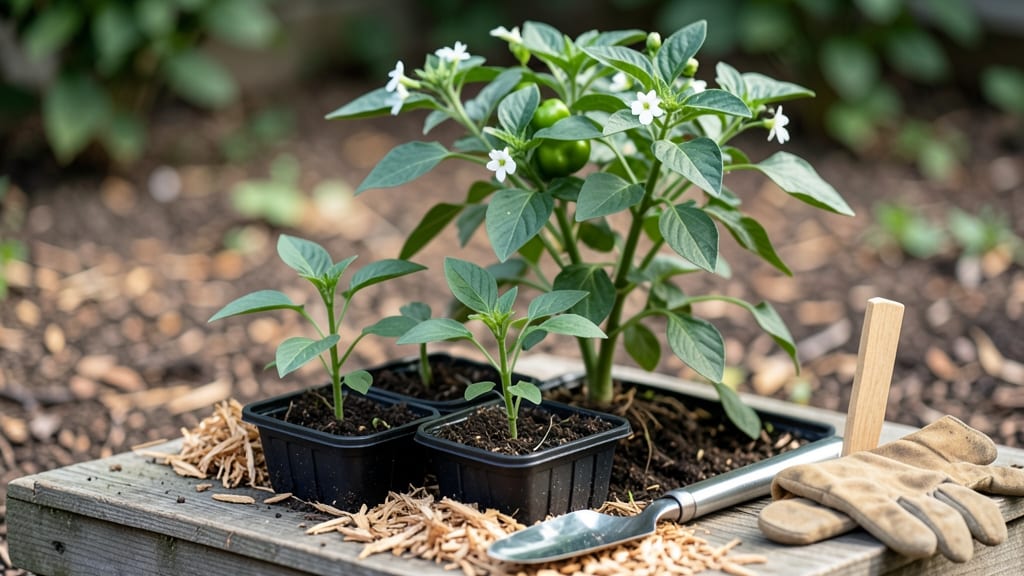
If you’ve ever wondered when to plant bell peppers in Southern California so they either bolt in summer heat or refuse to ripen, timing is the secret weapon you’re missing.
Unlike northern gardeners, SoCal growers can plant bell peppers year-round—but doing it right means avoiding the brutal mid-summer sun and the rare inland frosts that sneak in when you least expect them.
The best window for planting bell peppers in Southern California isn’t just about months—it’s about microclimates. Coastal areas like San Diego can handle late-winter starts, while inland valleys (like the Coachella Valley) need to wait until soil warms to 60°F or risk stunted growth.
I’ll break down the exact months to plant for spring and fall harvests, plus how to tweak your schedule based on where you live.
You’ll also discover how to stretch your growing season with simple tricks like shade cloth, mulch, and companion planting—because even in paradise, heat stress can turn your pepper dreams into a sad, shriveled reality.
Let’s get you planting at the perfect time for zero-frost success and a harvest that’ll make your neighbors jealous.
Whether you’re a seasoned gardener or just starting, these insights will save you from the most common mistakes—like planting too early and watching your peppers wilt before they even get a chance. Ready to grow the best bell peppers Southern California has to offer? Let’s dive in.
Best planting months for bell peppers in Southern California’s climate zones
Southern California’s microclimates create unique growing conditions—coastal areas stay cooler and more humid, while inland valleys bake under intense summer sun. For bell peppers, this means two ideal planting windows: early spring and late summer.
The key is avoiding the peak heat of June through August, when temperatures can exceed 100°F and stress young plants.
Most of SoCal falls under USDA Zones 9b-10a, meaning frost is rare but not impossible in high-desert areas like Palm Springs or San Bernardino. Even a light frost can damage young pepper plants, so timing is critical.
My rule of thumb? Plant when soil temperatures hit 60°F+—this ensures strong root growth before summer’s heat arrives.
🌱 Coastal regions (e.g., Los Angeles, San Diego) have milder summers and can extend the growing season. Inland areas (e.g., Riverside, Lancaster) need to plant earlier to beat the heat. Below, I break down the exact months for each zone to maximize your harvest.
For spring harvests, aim to plant 60-75 days before your first expected heatwave. In coastal areas, this means February-March starts, while inland gardeners should begin by mid-January.
My go-to varieties for SoCal include ‘California Wonder’ (classic green bell) and ‘Jalapeño M’ (heat-tolerant), both of which thrive with these timing adjustments.
Fall planting is trickier but equally rewarding. Start seeds indoors 8-10 weeks before your target transplant date (typically late July-August). This gives seedlings a head start before the September heat ramps up.
In coastal areas, you can often direct-sow in early August, but inland gardeners should stick to transplants to avoid stress.
Pro tip: Use black plastic mulch to warm soil faster in spring or retain moisture in fall. I’ve seen 30% faster germination with this simple trick, especially in cooler microclimates like Malibu or Santa Barbara.
Pair it with drip irrigation to keep roots consistently moist without wetting foliage—critical for disease prevention.
If you’re in a high-desert area, don’t forget about frost pockets. Even in Zone 10, nights can dip below 32°F in winter. Use row covers or plant near heat-retaining structures like brick walls to create a microclimate that protects young plants.
For succession planting, stagger starts every 2-3 weeks in spring and fall. This ensures a continuous harvest from May through November.
I’ve had success with ‘NuMex Sandia’ (sweet pepper) and ‘Carolina Wonder’ (classic bell) in this approach—just be mindful of pollination needs if your area has low bee activity.
Remember, soil temperature matters more than air temperature. Use a soil thermometer to confirm 60°F+ before planting. In my San Diego garden, I’ve seen seedlings fail when planted too early because the soil was still 55°F, even if the air felt warm.
Patience pays off—wait for the right conditions to set your peppers up for success.
🌶️
Best planting months for bell peppers in Southern California’s climate zones
Southern California’s microclimates create a puzzle for bell pepper growers. Coastal areas like Malibu or San Diego can plant bell peppers as early as January, while inland valleys (think Palm Springs or Riverside) must wait until March or August to avoid heat stress.
The key is soil temperature—peppers need 60°F+ soil to thrive, and coastal fog delays warming.
For spring harvests, aim to plant bell pepper seedlings in February-March for coastal regions. Inland areas should wait until late March to early April when soil temperatures consistently hit 60°F. This timing ensures peppers mature before summer’s scorching heat arrives, typically around June or July.
Fall planting offers a second chance for harvests. Start seeds indoors in July and transplant outdoors in August-September. Coastal areas can push this to early October, while inland gardeners should finish by mid-September to avoid early fall frosts in higher elevations.
| Region | Spring Planting | Fall Planting | Key Consideration |
|---|---|---|---|
| Coastal (USDA 9b-10a) | Feb 15 - Mar 15 | Aug 1 - Oct 1 | Cooler nights, slower warming |
| Inland Valleys (USDA 10a) | Mar 15 - Apr 15 | Aug 1 - Sep 15 | Hotter soil warms faster |
| High Desert (USDA 9a) | Apr 1 - May 1 | Jul 15 - Aug 15 | Cooler nights, shorter season |
Pro tip: Use a soil thermometer to confirm temperatures before planting. I’ve seen gardeners rush and end up with peppers that refuse to set fruit because the soil was still too cool. Aim for consistent 60°F+ readings for at least a week before transplanting.
Another game-changer? Black plastic mulch raises soil temps by 5-10°F, letting you plant 2-3 weeks earlier in spring or extend fall harvests by 4 weeks. I’ve used it in my own garden to push fall plantings into October with great success.
Remember, bell peppers hate heat stress. Planting too close to summer’s peak (June-August) can cause blossom drop. By following these regional windows, you’ll avoid the most common pitfall: peppers that flower but never set fruit.