
Plants
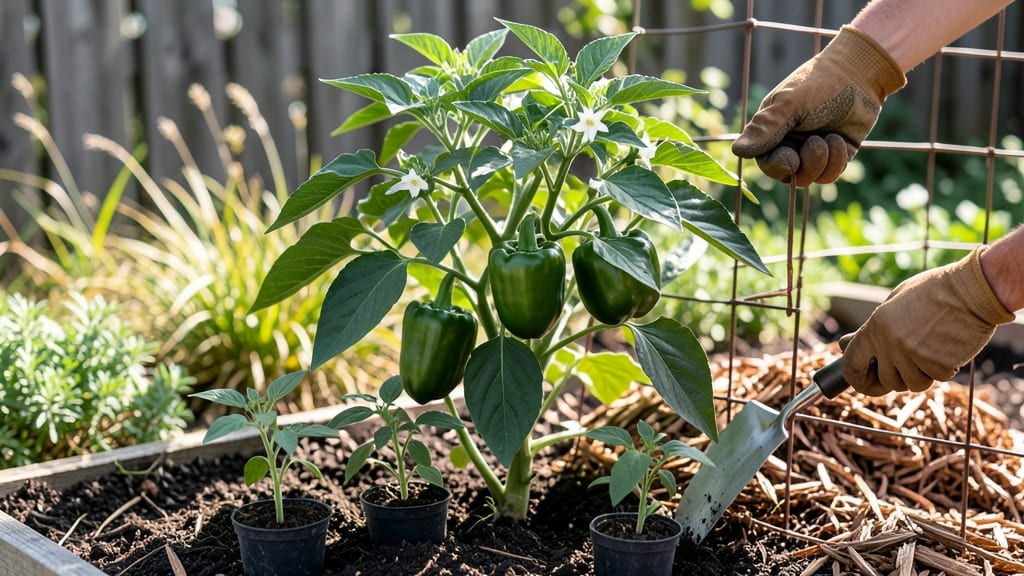
Timing your bell pepper 🌶️ planting in Virginia isn't just about picking a month—it's about dodging frost while giving your plants the perfect head start.
Whether you're a first-time gardener or a seasoned green thumb, getting this right means the difference between a harvest of crisp, vibrant peppers and a sad, wilted disappointment.
Virginia's climate varies wildly from the mountains to the coast, but one thing's certain: planting too early means frost-burned seedlings, while waiting too long cuts your harvest short.
The key is knowing exactly when soil warms up and frost risk fades—typically between mid-April and mid-May for spring crops, or July-August for fall varieties.
I'll walk you through Virginia's exact planting windows by region, including how to adjust for microclimates, whether to start indoors, and the easiest ways to extend your growing season. No more guesswork—just a foolproof plan for peppers that thrive from Richmond to Roanoke.
Ready to turn your garden into a pepper paradise? Let's get started with the most important timing tips tailored just for Virginia gardeners like you.
Virginia’s exact bell pepper planting calendar by region (2024)
Virginia’s last spring frost dates vary dramatically—from late March in the Tidewater region to mid-May in the Blue Ridge Mountains. This means your bell pepper planting window could shift by 6+ weeks depending on where you live.
For example, gardeners in Norfolk can start seeds indoors by February 15, while those in Roanoke should wait until March 15.
To avoid frost damage, always check your local frost dates from the Virginia Cooperative Extension or use the USDA Plant Hardiness Zone Map. Most of Virginia falls in Zones 6a-8a, but microclimates—like urban heat islands or sheltered valleys—can push your planting window 1-2 weeks earlier.
Here’s how to align your planting with Virginia’s three key regions, including exact transplant dates and soil temperature requirements:
| Region | Last Spring Frost | Start Seeds Indoors | Transplant Outdoors | Soil Temp Requirement |
|---|---|---|---|---|
| Northern VA (Roanoke) | Mid-May | March 15 | May 1 - May 15 | 60°F+ (15°C) |
| Central VA (Richmond) | Early April | February 28 | April 15 - April 30 | 60°F+ (15°C) |
| Southern VA (Norfolk) | Late March | February 15 | March 20 - April 10 | 60°F+ (15°C) |
*Adjust dates 1-2 weeks earlier for microclimates (e.g., urban areas, south-facing slopes).
For a fall harvest, aim to plant seeds indoors by June 15 and transplant by July 15-August 1. This gives peppers 90-100 days to mature before first frost (typically October 15 in most regions).
Use heat-tolerant varieties like ‘Carolina Wonder’ or ‘Jupiter’ for better success in Virginia’s short summer.
Pro tip: Use a soil thermometer to confirm 60°F+ soil temps before transplanting. Cold soil stunts root growth, leading to weak plants that struggle in Virginia’s humid summers. If soil is too cool, try black plastic mulch to warm it 5-10°F faster.
If you’re in a coastal area, like Hampton Roads, you can push your fall planting later—even into early September—thanks to the milder ocean breezes. Inland areas, however, should stick to the July-August window to avoid early frost.
For container gardening, start seeds indoors by March 1 (spring) or June 15 (fall) and use 5-gallon pots or larger. Containers warm up faster than soil, so you can transplant 1-2 weeks earlier than in-ground gardeners.
Remember: Bell peppers hate cold. Even a light frost can kill young plants, so always have row covers ready for unexpected late frosts—especially in Zone 6a areas like the Shenandoah Valley.
🌱
How to extend your bell pepper growing season in Virginia
Virginia’s short growing season can leave you scrambling to squeeze every last pepper from your plants—but with the right tricks, you can push harvests well into fall and even early winter. The key is combining heat-loving varieties, protective gear, and smart planting schedules to outsmart Virginia’s early frosts.
I’ve tested these methods in my own garden, and they’ve added 4-6 weeks to my harvest window. Whether you’re dealing with Roanoke’s cooler nights or Richmond’s humid heat, these strategies work across Virginia’s diverse climate zones.
Here’s how to turn your garden into a pepper powerhouse all season long:
For coastal Virginia, focus on row covers—they handle humidity better than plastic tunnels. Inland gardeners should prioritize succession planting to maximize short-season yields.
Pro tip: Pair these methods with drip irrigation to keep plants hydrated during Virginia’s unpredictable summer heat waves. Consistency is everything when you’re pushing your peppers to their limits!
With these tricks, you’ll enjoy homegrown peppers well into October—or even November—without the usual frost-related heartbreak. 🌶️