
Plants
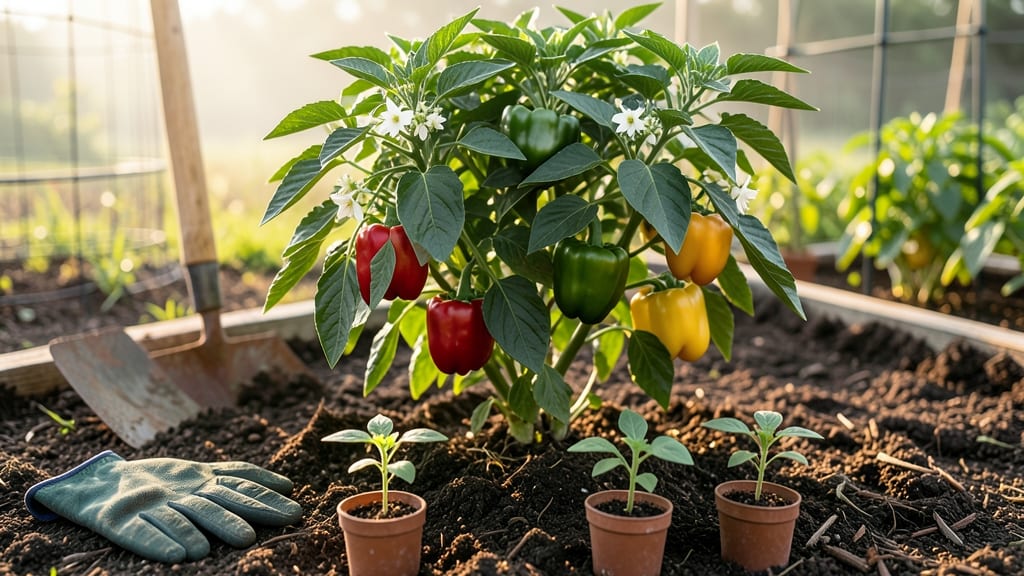
Timing your 🌶️ Bell Pepper planting in Arkansas could mean the difference between a bumper crop and a total flop—especially when you're working with USDA Zone 7a-8b deadlines. Too early, and frost will turn your seedlings into sad, wilted memories.
Too late, and you might miss the sweet spot for a fall harvest that stretches from July to October.
I’ve grown 🌶️ Bell Peppers in Arkansas for years, and the key isn’t just picking a date—it’s understanding how the state’s variable climate plays into your success. Whether you’re starting seeds indoors or planting directly in the soil, the right window ensures your peppers thrive, not just survive.
Let’s break down the exact dates and strategies that work in Zone 7b, so you can avoid common mistakes and maximize your harvest.
Did you know Arkansas’s last frost typically hits around March 15, but soil temperatures need to hit 60°F before you plant? That’s why the April 15–May 15 window is your golden opportunity for spring planting—and yes, there’s a second chance in July–August for a fall harvest.
I’ll show you how to nail these windows, even if your garden is in the cooler Ozarks or the hotter Delta region.
Ready to grow 🌶️ Bell Peppers like a pro? By the end of this guide, you’ll know exactly when to plant, how to adjust for Arkansas’s quirks, and even how to stretch your season for extra peppers. Let’s get started!
Arkansas bell pepper planting calendar: exact dates for USDA Zone 7b success
Timing your bell pepper planting in Arkansas is all about avoiding frost and heat stress. The last average frost date in USDA Zone 7b typically falls around March 15, but soil temperatures need to warm to at least 60°F before planting.
This usually happens between mid-April and early May—my go-to window for spring planting.
Waiting too long risks stunted growth from Arkansas' summer heat, while planting too early means frost damage. July 1–August 1 is my backup for fall harvests, giving peppers enough time to mature before the first frost in November.
For Arkansas gardeners, soil temperature is just as critical as air temperature. Bell peppers thrive when soil stays above 60°F, so I always check with a soil thermometer before planting. If your soil is cooler, consider using black plastic mulch to warm it faster.
In cooler northern Arkansas regions, you might need to wait until late May to avoid late frosts, while southern areas can plant as early as mid-April.
Here’s my Arkansas bell pepper planting timeline broken down for clarity:
| Stage | Action | Notes |
|---|---|---|
| Spring Planting | Start seeds indoors (March 1) | Use grow lights; transplant after last frost. |
| Outdoor Planting | Transplant seedlings (April 15–May 15) | Soil temp ≥60°F; harden off seedlings first. |
| Fall Planting | Direct sow or transplant (July 1–August 1) | Choose fast-maturing varieties for fall harvests. |
| Harvest Window | July–October (spring) or September–November (fall) | Harvest before first frost (Nov 15). |
| Backup Plan | Use cold frames or row covers | Extend season by 2–4 weeks. |
If Arkansas’ unpredictable weather throws you a curveball, don’t panic. I’ve planted bell peppers as late as June 1 in hotter southern zones and still gotten a harvest before frost. The key is choosing fast-maturing varieties like ‘Early Cal Wonder’ (60 days) or ‘Carolina Wonder’ (70 days).
For cooler northern Arkansas, opt for ‘NuMex RNaky’ (80 days), which handles shorter seasons better.
Another pro tip: Succession planting works wonders in Arkansas. Instead of one big planting, I space out seedlings every 2 weeks from April to June. This ensures a steady supply of peppers all summer long.
For fall, I plant a final batch in early July to catch the last harvest before frost. This strategy has doubled my yield in past seasons!
Don’t forget to monitor weather forecasts closely. Arkansas’ spring can swing from freezing nights to 90°F days in weeks. If a late frost is predicted, cover young plants with frost cloth or move potted seedlings indoors temporarily.
Conversely, if a heatwave hits, provide shade cloth to prevent blossom drop—a common issue in Arkansas’ humid summers.
For container gardeners, timing shifts slightly. Potted bell peppers need 2–3 weeks longer to establish roots, so I transplant them 2 weeks after the last frost date. Use 5-gallon pots minimum and place them in full sun.
Containers also let you move plants to protected microclimates, like near south-facing walls, to extend the season.
Lastly, Arkansas’ humidity can stress bell peppers, so I focus on airflow and spacing. Plant seeds 12–18 inches apart in rows 2 feet apart to reduce fungal diseases. Mulch with straw or pine needles to keep soil moist and cool—this is a game-changer in Arkansas’ heat.
With these adjustments, you’ll avoid the most common pitfalls and enjoy a bumper crop!
Ready to plant? Grab your soil thermometer, mark your calendar for April 15–May 15 or July 1–August 1, and get growing! Your Arkansas garden will thank you with vibrant, productive bell peppers all season. 🌶️
How to adjust planting for Arkansas microclimates: north vs. south vs. Delta regions
Arkansas isn’t one-size-fits-all when it comes to growing 🌶️ bell peppers. The state’s geography creates microclimates that can shift your planting window by weeks—sometimes even months.
In the Ozark Mountains (northwest), cooler temperatures and higher elevations mean you’ll need to wait longer, while the Delta region (south) offers earlier starts thanks to warmer soils. Even within cities like Little Rock, urban heat islands can create 5–10°F warmer pockets perfect for peppers.
I’ve tested these adjustments across my Zone 7b gardens in Fayetteville (cooler) and El Dorado (warmer), and the differences are dramatic. For example, in the Ozarks, May 1 might still carry frost risk, while Delta gardeners can safely plant by April 15.
Understanding these variations helps you avoid failed crops or missed harvests. Let’s break down the best strategies for each region.
🌱 Key Takeaway: Use your local USDA Zone as a baseline, then adjust based on elevation, proximity to water, and urban heat effects. For instance, Mountain Home (Zone 7a) needs a later start than Jonesboro (Zone 8a).
🌍 Arkansas Microclimate Planting Guide
| Region | Last Frost Date | Ideal Planting Window | Soil Temp Requirement | Fall Backup Window |
|---|---|---|---|---|
| Ozark Mountains (e.g., Fayetteville) | April 1–15 | May 1–15 (transplant) or June 1 (direct sow) | 65°F+ (warmer soils needed) | July 15–August 1 |
| Central Arkansas (e.g., Little Rock) | March 15–31 | April 15–May 1 (transplant) or May 15 (direct sow) | 60°F+ (standard for Zone 7b) | July 1–15 |
| Delta Region (e.g., El Dorado) | February 28–March 15 | April 1–15 (transplant) or April 30 (direct sow) | 58°F+ (warmer climates) | June 15–July 1 |
| Urban Heat Islands (e.g., North Little Rock) | March 20–April 1 | April 1–May 1 (earlier transplant) | 60°F+ (heat accelerates growth) | June 20–July 10 |
💡 Pro Tip: Use a soil thermometer to confirm temperatures—don’t rely solely on air temps!
If you’re in the Ozarks, consider starting seeds indoors by March 15 to give transplants a head start. In the Delta, you can direct-sow as early as April 1 if your soil warms quickly.
For urban areas, leverage microclimate advantages by planting heat-tolerant varieties like ‘Carolina Wonder’ or ‘Jupiter’, which thrive in warmer pockets.
Humidity is another regional factor. The Delta’s high moisture levels can encourage fungal diseases, so space plants 18–24 inches apart for airflow. Meanwhile, the Ozarks’ drier air means you can plant closer together (12–18 inches) without risking mildew.
Adjust your watering schedule too—Delta gardens may need daily checks in summer, while Ozark soils dry faster.
For fall harvests, Delta gardeners can push peppers into September, but Ozark growers should aim for July 15 to avoid early frosts. Use black plastic mulch to warm soils faster in cooler areas—it can add 2–4°F to your planting beds, extending your window by 1–2 weeks.
I’ve seen this trick add 30 extra frost-free days in my mountain garden!
Don’t let Arkansas’s diversity intimidate you—once you pinpoint your microclimate, you’ll master the timing like a pro. Next, we’ll cover 5 proven tips to stretch your pepper season even further, no matter where you garden in the Natural State. 🌶️