
Planting
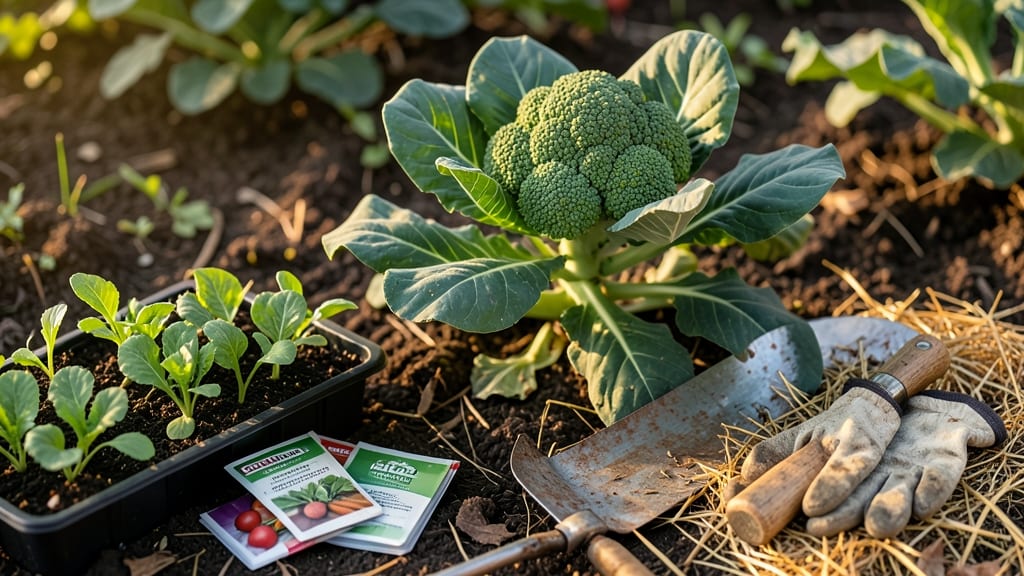
Knowing when to plant a fall garden in NC isn’t just about luck—it’s the difference between a bountiful harvest and a frost-killed disappointment. With North Carolina’s varied microclimates, from the Coastal Plain to the Mountains, timing your fall garden can mean the difference between a thriving garden and wasted effort.
Most of NC falls in USDA Zones 7b, where the first frost typically arrives between late October and early December.
That means your planting window is tight—mid-August to late September is your golden opportunity to get cool-season crops like kale, spinach, and carrots in the ground before the chill sets in.
But here’s the catch: Piedmont regions might have earlier frosts than the Coastal Plain, and mountain areas could stretch your growing season just a little longer.
I’ll break down the exact dates you need for your county, so you can plant with confidence and avoid the heartbreak of a ruined harvest.
Ready to turn your backyard into a fall produce powerhouse? Let’s dive into the county-specific planting dates and strategies to keep your garden thriving until winter rolls in.
NC county-specific fall planting dates by frost Zone
North Carolina’s 100+ counties span USDA Zones 7a-8b, meaning your fall planting window can vary by 3-4 weeks. The key is planting 4-6 weeks before your average first frost, which typically falls between late October and early December.
For example, Mountain counties like Haywood (Zone 7a) have earlier frosts, while Coastal areas like Dare (Zone 8a) enjoy later harvests.
To simplify, I’ve grouped NC counties into three frost zones with their ideal fall planting windows. Check your county’s last frost date using the NC State Climate Office or your local Cooperative Extension office. This ensures your leafy greens, root crops, and brassicas mature before winter sets in.
| Zone | Counties | First Frost | Planting Window | Key Crops |
|---|---|---|---|---|
| Zone 7a (Mountains) | Ashe, Avery, Haywood, Mitchell | Late October | Mid-August to September 15 | Kale, Spinach, Carrots, Radishes |
| Zone 7b (Piedmont) | Chatham, Durham, Mecklenburg, Wake | Early November | Late August to October 1 | Broccoli, Lettuce, Turnips, Peas |
| Zone 8a (Coastal) | Bertie, Camden, Dare, Hyde | Mid-November | Early September to October 15 | Collards, Mustard Greens, Beets, Arugula |
For Mountain counties like Haywood or Mitchell, start sowing spinach and radishes as early as mid-August to harvest before the late October frost. In contrast, Coastal counties like Dare or Camden can push planting until mid-October thanks to their Zone 8a climate.
Always double-check your local frost dates, as microclimates (like valleys or urban heat islands) can shift frost timelines by 1-2 weeks.
Pro tip: Use NC State’s Frost Date Map (available online) to pinpoint your exact last frost date. For example, Raleigh (Wake County) averages its first frost on November 5, so I plant broccoli and cabbage by September 20 to ensure a 90-day maturity before frost.
Adjust for succession planting—sow every 2 weeks for continuous harvests of leafy greens.
If you’re in a transition zone (like Chatham County on the Piedmont-Coastal border), err on the earlier side. Plant half your seeds by August 20 and the rest by September 10 to account for unpredictable weather.
Always prioritize cold-hardy crops like kale, carrots, and peas—they tolerate light frosts and even sweeten when exposed to cold.
For container gardening, follow the same county-specific dates but use larger pots (5+ gallons) to accommodate root growth. Potted plants warm up faster in sunny afternoons and may need row covers if nights dip below 30°F.
I’ve had success growing bush beans and lettuce in containers on my Coastal Plain balcony until mid-December.
Don’t forget to amend your soil before planting! NC’s clay-heavy soils in the Piedmont benefit from compost or aged manure, while sandy Coastal soils need organic matter to retain moisture. Aim for a pH of 6.0-7.0—most fall vegetables thrive in this range.
Test your soil in late summer and adjust with lime (to raise pH) or sulfur (to lower pH) as needed.
Finally, keep an eye on weather forecasts in late September. If a cold snap is predicted, delay planting tender crops like bush beans until after the 50°F threshold. For hardy crops, a light frost can actually improve flavor
Best fall vegetables for NC gardens and their ideal planting times
North Carolina’s fall garden thrives with cold-hardy vegetables that love cooler weather. The key is planting at the right time—too early, and they bolt; too late, and frost ruins them. I’ve tested these top 7 fall crops in my NC garden, and they consistently deliver harvests from October through December.
For leafy greens like kale and spinach, aim for mid-August to early September planting. These plants handle light frosts and even taste sweeter after a frost! Root crops such as carrots and radishes should go in the ground by late August to mature before winter sets in.
Brassicas like broccoli and cabbage are my fall garden workhorses. Start seeds indoors in early August and transplant seedlings by mid-September. These crops need consistent moisture and well-drained soil to avoid pests like cabbage worms.
Don’t overlook fast-growing crops like radishes and turnips—they’re perfect for succession planting. Sow every 2-3 weeks from August through September to enjoy fresh harvests all fall long.
Herbs like cilantro and parsley also thrive in fall. Plant them in late August for a fresh supply that lasts until the first hard frost. Just be sure to harvest before temperatures drop below 30°F.
Here’s my proven planting timeline for NC’s most reliable fall crops, tailored to avoid frost while maximizing harvests:
Pro tip: Use mulch to insulate soil and protect young plants from temperature swings. A 2-3 inch layer of straw keeps roots warm and retains moisture—critical during NC’s unpredictable fall weather.
With this schedule, you’ll enjoy fresh homegrown produce straight from your garden until winter’s first hard freeze. Happy planting! 🥬