
Flowers
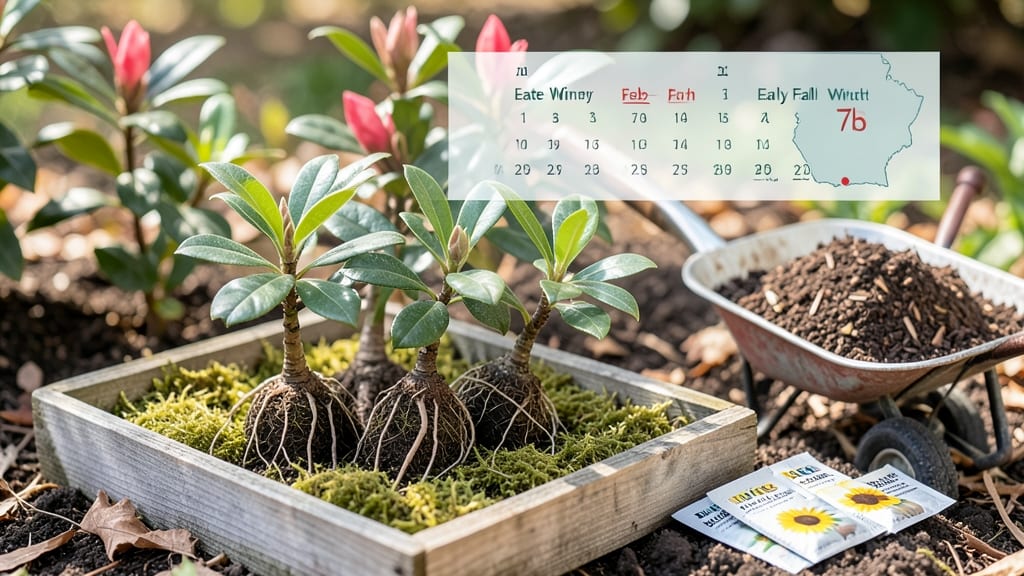
Timing your flower planting in North Carolina can make or break your garden's success—get it wrong, and you might end up with wilted blooms before summer even arrives.
The exact months to plant vary dramatically across the state's zones, from the humid Coastal Plain to the cooler mountain regions, and knowing these windows is your first step to a showstopping display of 🌱.
I’ve spent years watching gardens thrive (and sometimes fail) based on when flowers hit the soil, and the patterns are clear: planting too early risks frost damage, while waiting too long can stunt growth.
Whether you’re a first-time gardener or a seasoned pro, these zone-specific timelines will help you avoid common pitfalls and maximize your blooms.
From frost-sensitive annuals that need to wait until after the last frost to hardy perennials that can handle early spring, we’ll break down the ideal planting months for every type of flower in NC. No more guessing—just science-backed advice to ensure your garden bursts with color from summer through fall.
Ready to transform your yard? Let’s dive into the perfect planting schedule tailored to your corner of North Carolina, so you can enjoy a garden that’s the envy of the neighborhood.
North Carolina planting zones & best flower planting months by season
North Carolina spans USDA Hardiness Zones 7b through 8a, creating unique microclimates from the Coastal Plain to the Mountains. These zones dictate your last frost dates—critical for timing flower planting.
The Coastal Plain (Zone 8a) typically has late March to early April last frosts, while the Mountains (Zone 7b) can see frost until mid-April or later. Knowing these dates helps you avoid frost damage to tender new growth.
For annual flowers, timing matters most—plant too early, and frost will kill them; too late, and they’ll struggle in summer heat. Perennials and bulbs have wider windows but still need attention to soil temperature.
For example, tulip bulbs should go in the ground by mid-October to root before winter, while marigolds thrive when planted after mid-May once soil warms.
Here’s how to break it down by season for optimal planting success in NC:
| Season | Planting Window (Coastal Plain) | Planting Window (Piedmont) | Planting Window (Mountains) | Key Considerations |
|---|---|---|---|---|
| Early Spring | Feb–March (after last frost) | March–early April | April (after frost) | Plant cool-season annuals (pansies, snapdragons) and hardy perennials (daylilies, coneflowers). |
| Late Spring | April–May (after frost) | May (soil temp 60°F+) | May–June | Ideal for heat-loving annuals (petunias, zinnias) and bulb transplants (dahlias, cannas). |
| Summer | June–July (succession plant) | July–August | August (late summer) | Plant fall-blooming perennials (mums, asters) and cool-season veggie flowers (nasturtiums). |
| Fall | Sept–Oct (6 weeks before frost) | Oct–Nov | Oct (before ground freezes) | Best for spring-blooming bulbs (tulips, daffodils) and winter-hardy perennials (heuchera, sedum). |
For bulbs like tulips and daffodils, the soil temperature is your guide—not the calendar. Aim to plant when soil cools to 60°F or below, typically October in the Piedmont and November in the Mountains.
In the Coastal Plain, you can plant bulbs as late as mid-November due to milder winters.
Adjust for late springs or early frosts by using frost cloth or waiting until soil warms to 60°F (test with a soil thermometer). In drought years, prioritize deep watering after planting to establish roots before summer heat sets in.
Pro tip: Use NC State Extension’s frost date maps to fine-tune your schedule. For example, Asheville’s Zone 7b may need 2–3 weeks later than Raleigh’s Zone 7a for the same variety. Always check seed packets for days to maturity and count backward from your first expected frost.
Remember, perennials
Top 10 flowers to Plant in North Carolina (with ideal planting times)
North Carolina’s diverse climate—from the Coastal Plain’s humidity to the Mountains’ cooler air—means some flowers thrive year-round while others demand precise timing. I’ve grown these top 10 flowers in my own garden, and their planting windows make all the difference between a bold display and a disappointing flop.
For annuals like petunias, wait until after your last frost date (typically mid-April in the Piedmont or late March in the Coastal Plain). Perennials like black-eyed Susans can handle early spring planting (as soon as soil is workable), while bulbs like daffodils need fall planting for spring blooms.
Here are the exact months to plant these standout varieties, plus their sunlight and soil needs for NC’s unique growing conditions.
- 1 Azaleas – Plant in early spring (March-April) or fall (October) in acidic, well-draining soil. Thrives in partial shade—perfect for NC’s humid summers.
- 2 Daylilies – Spring (March-May) or fall (September-October) planting. Tolerates full sun to partial shade and drought once established—ideal for NC’s heat.
- 3 Black-Eyed Susans – Plant in early spring (March-April) or fall (September). Loves full sun and average garden soil—a NC native that attracts pollinators.
- 4 Petunias – Wait until after last frost (May) for full sun and well-draining soil. Deadhead regularly for nonstop blooms through fall.
- 5 Daffodils – Plant bulbs in fall (October-November) for spring blooms. Prefers full sun to partial shade and well-draining soil—deer-resistant!
- 6 Coreopsis – Plant in spring (March-April) or fall (September). Thrives in full sun and drought-tolerant—perfect for NC’s dry spells.
- 7 Salvia – Plant in spring (April-May) after frost. Loves full sun and well-draining soil—hummingbirds adore it!
- 8 Coneflowers – Plant in early spring (March-April) or fall (September). Tolerates poor soil and drought—a NC garden staple.
- 9 Marigolds – Plant after last frost (May) for full sun and warm soil. Repels pests naturally—ideal for NC veggie gardens.
- ★★★★★4.7(1 review)