
Plants
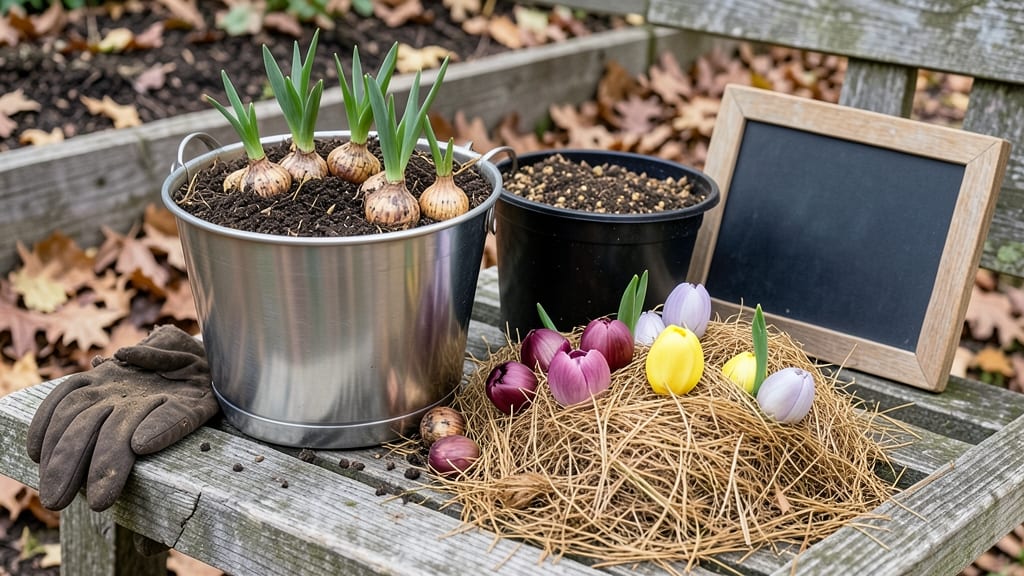
Planting tulip bulbs in Alabama at the wrong time can mean soggy, rotting bulbs or frozen dreams of spring blooms before they even sprout. The key to vibrant 🌷 tulips lies in understanding your local frost dates and soil conditions—because Alabama's 7b-8b climate demands precision.
Most gardeners in the Deep South aim to plant between October and December, but that window shifts slightly between North and South Alabama. Too early? Your bulbs will rot in warm, wet soil.
Too late? A sudden frost could kill them before they establish roots. Let me show you how to pinpoint the perfect 6-8 week window before your first hard frost.
We'll cover everything from soil prep to variety selection—because not all tulips handle Alabama's mild winters equally. Whether you're in Birmingham's urban heat islands or the cooler Appalachian foothills, these strategies will help your 🌷 tulips thrive when spring arrives.
Ready to transform your garden into a burst of color next April? Let's dive into the exact timing, soil secrets, and variety choices that make all the difference in Alabama's unpredictable climate.
Alabama’s ideal tulip planting window: frost dates & soil prep
Alabama’s mild winters and USDA Zones 7b-8b create a unique challenge for tulip growers. Unlike northern states, we don’t face brutal freezes—but that means late frosts can still damage tender shoots.
The perfect planting window is 6-8 weeks before your area’s first hard frost, which typically falls between mid-November and December 1st across most of the state.
For North Alabama (Huntsville, Decatur), aim for October 15-November 15—soil temps drop faster here.
In Central Alabama (Birmingham, Montgomery), stretch it to November 1-November 30. South Alabama (Mobile, Dothan) can plant as late as December 1-15, but bulbs need 4-6 weeks of cool soil to root before winter.
Soil temperature is your best guide: Tulip bulbs need 40-50°F soil to thrive. Use a soil thermometer (just $10 at garden centers) to check—if it’s above 55°F, wait a week. Warm soil causes bulbs to sprout too early, then freeze damage when late frosts hit. Alabama’s clay-heavy soil also needs amending: mix in 2-3 inches of compost or sand to improve drainage.
Here’s the critical timeline for Alabama tulips:
Alabama’s microclimates matter more than you think. A sunny, sheltered spot (like near a south-facing wall) can push your planting window 1-2 weeks later than a frost-prone valley. Urban areas (Birmingham, Huntsville) often have earlier frosts than rural zones due to the urban heat island effect.
Check your local Alabama Cooperative Extension office for hyper-local frost data—their records are more accurate than generic zone maps.
One common mistake Alabama gardeners make? Planting too shallow to avoid digging through clay. But shallow bulbs heave out of the ground during freeze-thaw cycles.
Use a bulb planter (or a long screwdriver) to make deep holes—your tulips will thank you with bigger blooms next spring. Pro tip: Mark your planting spots with flagging tape; Alabama’s winter rains can wash away mulch and obscure rows.
If you’re in South Alabama (Zones 8a-8b), where frost is rare, you can plant as late as January for spring blooms. But these tulips may struggle to naturalize—they’ll bloom but may not return yearly.
For reliable reblooming, stick to the fall window and choose Darwin Hybrid varieties, which handle Alabama’s humidity better than parrot tulips.
Finally, don’t fertilize at planting—Alabama’s rich clay soil already has enough nutrients. Wait until early spring when shoots emerge, then apply a low-nitrogen fertilizer (like 5-10-10) to encourage root growth, not foliage. Over-fertilizing now leads to soft, weak stems that flop in Alabama’s summer humidity. 🌷
Alabama’s ideal tulip planting window: frost dates & soil prep
Alabama’s USDA Zones 7b-8b create a unique challenge for tulip lovers—the state’s mild winters mean bulbs need precise timing to avoid rot or frost damage.
In North Alabama (Huntsville, Decatur), the first hard frost arrives around November 15, while South Alabama (Mobile, Dothan) can experience frost as late as December 15. Planting too early in warm zones risks soggy soil, while late planting in colder areas stunts blooms.
For optimal tulip growth, aim to plant bulbs 6-8 weeks before the first hard frost. This translates to mid-October to early December for most of Alabama.
Use your local Alabama Cooperative Extension Service frost map to pinpoint your exact window—just 100 miles can shift your frost date by 2 weeks.
Here’s your Alabama tulip planting