
Flowers
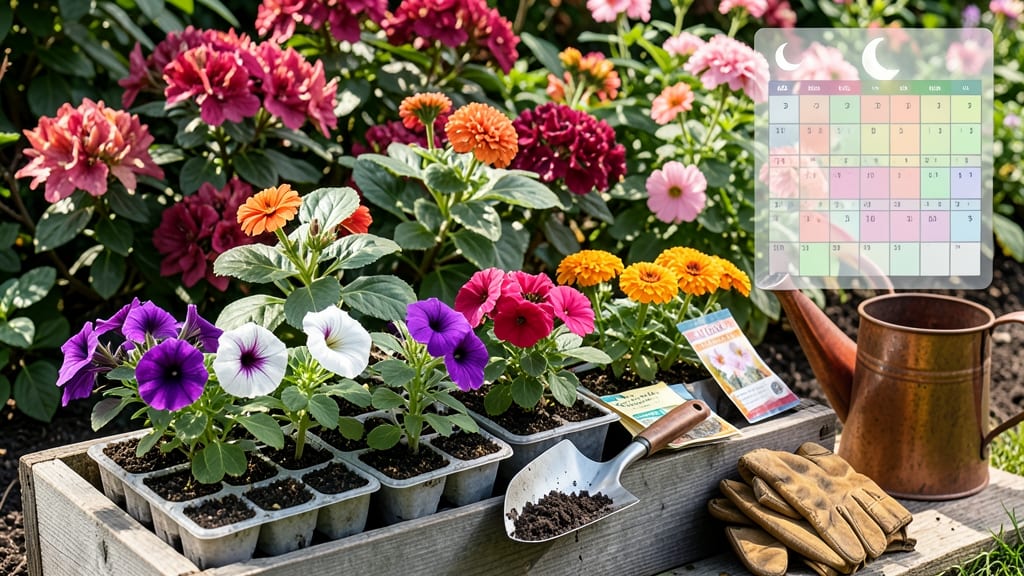
Timing your flower planting in Georgia wrong could mean watching your 🌸 blooms wilt before they even open—but getting it right transforms your garden into a year-round showstopper.
With frost dates shifting from March 15 in the north to April 15 in the south, and microclimates creating their own rules, the "perfect time" isn't one-size-fits-all.
I’ve spent years tracking Georgia’s 7a-9a zones, and what I’ve learned is that annuals like marigolds thrive when planted just after the last frost, while perennials like black-eyed Susans can handle early spring or late summer starts.
The key? Knowing whether your patch of Georgia falls into the Piedmont’s cooler pockets or the Coastal Plain’s extended warmth—and how to adjust for both.
This isn’t just about throwing seeds into the dirt and hoping for the best. It’s about matching each flower type to its ideal window, whether that’s February for cool-season bulbs or August for heat-loving annuals.
Let’s break down the exact months that’ll give you the most vibrant, longest-lasting blooms—no guesswork required.
Ready to skip the trial-and-error? I’ll walk you through the science-backed schedule that’s already working for Georgia gardeners, plus pro tips to stretch your blooming season from spring through fall. Your garden’s about to get a whole lot easier—and a whole lot prettier.
Georgia’s frost zones and their ideal flower planting months
Georgia’s USDA hardiness zones 7a–8b create a unique challenge for gardeners. The Coastal Plain (7b–8a) enjoys milder winters, while the Piedmont (7a–7b) and Mountains (6b–7a) face earlier frosts. Timing your flower planting correctly means the difference between vibrant blooms and frost-killed seedlings.
Most annual flowers thrive when planted 2–4 weeks after your last frost date, typically mid-March to early April in most of Georgia. Perennials and bulbs, however, have different windows—some can handle fall planting for early spring blooms, while others need early spring to establish roots before summer heat.
Here’s how to match your frost zone with the best planting months for each flower type:
For heat-loving annuals like zinnias or sunflowers, you can even start indoors in late January for transplanting after frost. Cool-season flowers such as pansies or snapdragons can handle fall planting in milder zones (7b+) for winter color.
Microclimates matter too! A south-facing slope warms up faster than a north-facing shady spot. If you’re near large bodies of water or in urban areas, expect 2–3 weeks earlier last frost dates. Always check your local Cooperative Extension Service for precise updates.
Now that you’ve got your planting windows locked in, let’s dive into the best flowers for each season—and exactly when to plant them for maximum blooms. 🌸
Best flowers to plant in Georgia by season (with exact dates)
Georgia’s long growing season and varied microclimates mean you can grow flowers almost year-round—but timing matters. Plant heat-loving annuals too early, and they’ll bolt in the summer heat.
Plant cool-season perennials too late, and frost will nip them. Here’s my season-by-season breakdown of the best flowers to plant in Georgia, with exact dates to maximize blooms.
For spring planting (February–April), focus on cool-season annuals and frost-tolerant perennials. These varieties thrive in Georgia’s 50–70°F temperatures and can handle light frosts. Pansies, snapdragons, and calendulas are top picks for early spring, while black-eyed Susans and coneflowers can be planted in late winter for summer color.
Summer planting (June–July) is all about heat-tolerant annuals that won’t wilt in Georgia’s 90°F+ afternoons. Zinnias, marigolds, and portulaca thrive when planted in late April–May for continuous blooms through fall. For longer-lasting color, succession plant cosmos every 3 weeks from May to July.
Fall is your second chance to plant perennials and bulbs for next year’s blooms. Chrysanthemums and asters planted in August–September will reward you with autumn color, while spring bulbs like daffodils and tulips should go in the ground by October to establish roots before winter.
Don’t overlook winter interest! Pansies, violas, and sweet alyssum planted in October–November will bloom even in 40°F temperatures. These frost-hardy annuals add color to gray winter days and attract pollinators early in the season.
Pro tip: Use mulch after planting to retain moisture and protect roots from temperature swings. In USDA Zone 7a (North Georgia), cover tender plants with frost cloth if nights dip below 28°F.
In Zone 8b (South Georgia), you can push planting dates 2–3 weeks later thanks to milder winters.