
Plants
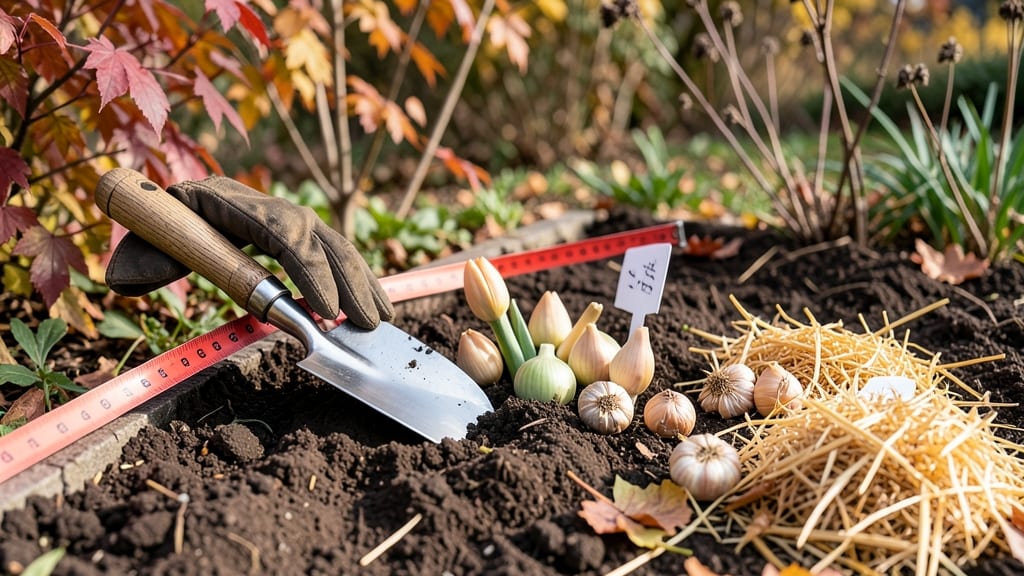
When to plant bulbs in Zone 8a just right could mean the difference between a garden bursting with color next spring and a missed opportunity. Unlike colder climates, Zone 8a’s mild winters give you two prime windows—fall and early spring—to plant for maximum success.
Most gardeners focus on fall planting, but did you know some bulbs actually thrive when planted in early spring? The key is understanding how your local climate plays into the equation—whether it’s avoiding early frosts or taking advantage of warmer soil temperatures.
In this guide, I’ll break down the exact months to plant for spring and summer blooms, which bulbs work best in Zone 8a’s unique conditions, and how to prepare your soil for a showstopping display. Let’s get those bulbs in the ground the right way!
You’ll also discover common mistakes that even experienced gardeners make—and how to sidestep them. Ready to turn your garden into a year-round blooming paradise? Let’s dig in!
Best months to plant spring-blooming bulbs in Zone 8a
In Zone 8a, where winters are mild but frosts still occur, timing your bulb planting correctly is the key to vibrant spring blooms. Unlike colder zones, you have two distinct planting windows: fall for spring flowers and early spring for late-season blooms.
The goal? Plant when soil temps drop below 60°F (15°C) but before the ground freezes—typically October through November.
For spring-blooming bulbs like tulips and daffodils, fall planting is ideal. These bulbs need 6-8 weeks of chill time to trigger flowering. In Zone 8a, where frost arrives later, you can push planting into early December if the ground hasn’t frozen yet.
However, soil temperature is your best guide—aim for 50-60°F (10-15°C).
If you miss fall, don’t despair! Early spring planting (February-March) works for many bulbs, though they may bloom slightly later. This is especially useful for heat-tolerant varieties like rain lilies or spider lilies, which thrive in Zone 8a’s warmer winters.
Just ensure the soil is workable and frost isn’t imminent.
Here’s the golden rule: Plant bulbs 6-8 inches deep, with the pointy end up, and space them 3-6 inches apart depending on the variety. In Zone 8a, mulching with straw after planting helps insulate bulbs from temperature swings and retain moisture.
| Bulb Type | Ideal Planting Months | Soil Temp Requirement | Bloom Time | Zone 8a Tip |
|---|---|---|---|---|
| Tulips | October-November (Fall) or February (Spring) | 50-60°F (10-15°C) | March-April | Choose Darwin Hybrid tulips for longer vase life. |
| Daffodils | October-November (Fall) or January-February (Spring) | 45-55°F (7-13°C) | February-March | Deer-resistant; great for low-maintenance gardens. |
| Hyacinths | October-November (Fall) | 50-60°F (10-15°C) | March-April | Plant in partial shade to prevent bulb rot. |
| Alliums | October-November (Fall) or February (Spring) | 50-60°F (10-15°C) | April-May | Drought-tolerant; perfect for xeric gardens. |
| Crocus | October-November (Fall) | 40-50°F (4-10°C) | January-February | One of the earliest bloomers—great for winter color. |
Zone 8a’s mild winters mean you can experiment with unconventional planting. For example, rain lilies (Zephyranthes) can be planted as late as December or even early spring because they thrive in warmth.
Similarly, spider lilies (Lycoris) often bloom in late summer/fall and can be planted in spring for a unique display.
One common mistake in Zone 8a is planting too late in fall, which can leave bulbs exposed to freezing soil. Always check the 10-day forecast before planting—if frost is predicted, wait until soil temps stabilize.
Conversely, spring planting should happen 4-6 weeks before your last frost date (typically mid-January in Zone 8a).
Pro tip: Use a soil thermometer to monitor temps. Bulbs like tulips need consistent 40-50°F (4-10°C) for root development, while daffodils can handle slightly warmer soil. In Zone 8a, microclimates matter—bulbs in sheltered spots
How fall vs. spring planting affects bloom time and bulb health
Planting bulbs in Zone 8a gives you a unique advantage: two distinct planting seasons instead of one. Most gardeners default to fall planting for spring blooms, but early spring planting can also yield stunning results—especially for heat-loving bulbs that thrive in our mild winters.
The key difference? Timing relative to frost and soil temperature.
Fall planting (October–November) is ideal for classic spring bloomers like tulips and daffodils. These bulbs need 6–8 weeks of cool soil to establish roots before winter dormancy. In Zone 8a, where frost arrives later, you can push planting into early December if soil temps stay above 40°F.
The trade-off? Bulbs planted too late may not root deeply enough, leading to shallower blooms or weaker stems.
Spring planting (February–March) opens doors for heat-tolerant bulbs like dahlias, cannas, and rain lilies. These varieties skip winter dormancy entirely, blooming in summer or fall instead. The catch? They need warmer soil (60°F+) to sprout, so planting too early can leave bulbs sitting in cold, damp soil and rotting.
Aim for 4–6 weeks before your last frost date (typically mid-March in Zone 8a).
Microclimates in Zone 8a add another layer of complexity. Sheltered garden beds (near fences or south-facing walls) may stay warmer longer, allowing later fall planting or earlier spring planting. Conversely, low-lying areas with cold air pooling might require adjusting your timeline by 2–4 weeks earlier to avoid frost damage.
Always check soil temperature with a thermometer—50°F is the magic number for most bulbs.
One common mistake I see in Zone 8a gardens? Overwatering fall-planted bulbs after they’ve sprouted in spring. While they need moisture, soggy soil can rot bulbs before they’ve finished flowering. Instead, water deeply once a week and reduce as foliage yellows—this ensures next year’s blooms.
For spring-planted bulbs, mulch heavily to retain moisture and protect roots from sudden heat spikes.
Experiment with both methods! Try dedicating one bed to fall-planted classics and another to spring-planted heat lovers. You’ll extend your bloom season from early spring to late fall—and who doesn’t love a garden that’s always in season?
Just remember: soil temperature trumps the calendar in Zone 8a’s unpredictable climate. 🌱