
Plants
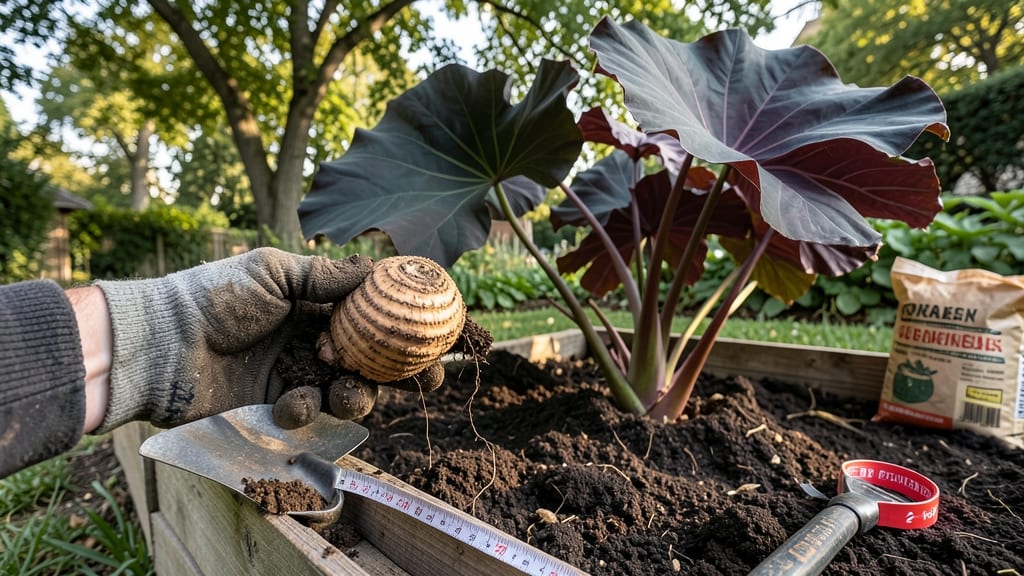
Planting elephant ear bulbs 🌿 in Missouri at the wrong time can turn your $20 investment into a sad, frost-melted puddle—or worse, leave you waiting all summer for those dramatic foliage displays.
The key to success? Timing it perfectly after the last frost, when soil temperatures finally hit that sweet 60°F threshold.
Missouri’s 5b-6b zones mean your exact planting window depends on whether you’re in St. Louis, Kansas City, or the Ozarks—but the rule of thumb stays the same: mid-April to early May is your golden ticket.
Too early, and Mother Nature throws a surprise frost party. Too late, and you miss the chance to enjoy those towering, tropical-looking leaves all season long.
I’ve seen gardeners pull off container planting tricks to extend the season in colder pockets of the state, and I’ll share those secrets later.
But first, let’s cut to the chase: when you plant these bulbs, how deep to tuck them in, and what Missouri’s unpredictable weather really means for their survival.
Whether you’re a first-time grower or a seasoned gardener looking to maximize blooms, this guide gives you the exact schedule—and a few pro tips—to turn your yard into a lush, elephant ear paradise without the guesswork.
Missouri’s exact planting windows for elephant ear bulbs (with frost-free guarantees)
Timing is everything when planting elephant ear bulbs in Missouri, where last frost dates can vary by two weeks between northern and southern regions. Unlike hardy perennials, these tropical beauties need consistent warmth—plant too soon, and your bulbs will rot in cold soil.
Here’s my foolproof schedule based on USDA Zones 5b-6b and Missouri’s microclimates.
First, check your local last frost date. In St. Louis (Zone 6a), expect frost until April 15, while Kansas City (Zone 5b) holds onto frost until April 25.
Springfield (Zone 6b) sits in between, with April 20 as the average. Planting 2-3 weeks after these dates ensures your bulbs won’t face soil temperatures below 60°F.
For northern Missouri gardeners (Zones 5a-5b), aim for mid-May planting to avoid late frosts. Southern Missouri (Zones 6a-6b) can start as early as late April, but always verify with your local cooperative extension.
Pro tip: Use a soil thermometer—plant only when soil hits 60°F at 4 inches deep.
Missouri’s unpredictable spring weather demands flexibility. If you’re in Zone 5b, consider starting bulbs in containers indoors in late March, then transplant after May 1. This buys you 3-4 extra weeks of growth before summer heat arrives.
Fall planting is risky but possible in southern Missouri (Zones 6a-6b). Plant 6-8 weeks before first frost (around August 15-30), but mulch heavily with straw or leaves to insulate bulbs. Northern Missouri’s earlier frosts make fall planting unreliable—stick to spring-only in Zones 5a-5b.
| Region | USDA Zone | Last Frost Date | Ideal Planting Window | Soil Temp Requirement |
|---|---|---|---|---|
| Northern MO (Kansas City) | 5b | April 25 | May 15–June 1 | ≥60°F |
| Central MO (Columbia) | 6a | April 15 | April 30–May 15 | ≥60°F |
| Southern MO (Springfield) | 6b | April 20 | April 25–May 10 | ≥60°F |
| St. Louis Metro | 6a | April 15 | April 30–May 15 | ≥60°F |
Missouri’s microclimates complicate things further. Urban areas like St. Louis warm up faster than rural Boone County, so adjust your timeline by 3-5 days based on your specific location. Use the Missouri Botanical Garden’s frost map as a reference—it’s updated annually with real-time data.
If you’re container gardening, you gain flexibility. Move pots indoors before first frost (use a grow light if needed) or bury containers in insulated beds to extend the season. This works especially well for dwarf varieties like ‘Purple Bush,’ which tolerate cooler temps better than giant types.
Remember: Elephant ears are not frost-tolerant—even 50°F soil can stunt growth. Always plant after the nighttime lows consistently stay above 55°F. Check the National Weather Service for your area’s 7-day forecast before digging in.
For maximum blooms, time planting to align with Missouri’s humidity peaks—typically June through August. Bulbs planted in late May will establish roots before summer heat arrives, giving you 6-8 weeks of lush foliage before fall.
🌱
Missouri’s exact planting windows for elephant ear bulbs (with frost-free guarantees)
Elephant ear bulbs (Colocasia spp.) thrive in Missouri’s USDA Zones 5b-6b, but their tropical roots demand precise timing. Plant too soon, and a late spring frost will kill your $15-$25 bulbs before they sprout.
Too late? You’ll miss the summer foliage show that makes these plants worth growing. Here’s your Missouri-specific schedule to guarantee zero frost loss.
Missouri’s last frost dates vary by region: St. Louis typically sees frost by April 15, while northern Missouri (e.g., Kansas City) holds onto frost until May 1.
Southern Missouri (Springfield) warms faster, often frost-free by April 1. For zero risk, wait until soil temperatures hit 60°F—use a soil thermometer to confirm.
🌱 Missouri Elephant Ear Planting Timeline
| Region | Last Frost Date | Ideal Planting Window | Soil Temp Requirement |
|---|---|---|---|
| Southern MO (Springfield) | April 1 | Mid-April to early May | ≥60°F |
| Central MO (Columbia) | April 15 | Late April to mid-May | ≥60°F |
| Northern MO (Kansas City) | May 1 | Early May to early June | ≥60°F |
💡 Pro Tip: Use black plastic mulch 2 weeks before planting to warm soil faster in cooler zones.
For container growers, you can plant 2-3 weeks earlier than ground plantings since pots warm faster. Just ensure containers have drainage holes—elephant ears hate soggy roots.
In USDA Zone 5b (north Missouri), opt for ‘Black Magic’ or ‘Alba’ varieties, which tolerate slightly cooler temps better than standard types.
Fall planting is not recommended in Missouri unless you’re in Zone 6b+. Even then, plant bulbs 6-8 weeks before first frost (early September) and mulch heavily with straw or leaves to insulate roots. Most Missouri gardeners skip fall planting to avoid rot risk from wet autumn soils.
Missouri’s unpredictable spring weather means even after planting, frost watches can strike. Keep a row cover handy for nights when temps dip below 40°F. Once established, elephant ears grow 3-4 inches per week—so timing is everything to maximize your summer foliage display.
Remember: Elephant ears are not cold-hardy. Even a light frost will kill foliage, but the rhizomes (bulbs) may survive in Zone 6b+ with protection. In Zone 5b, dig and store bulbs after first frost to replant next spring.