
Plants
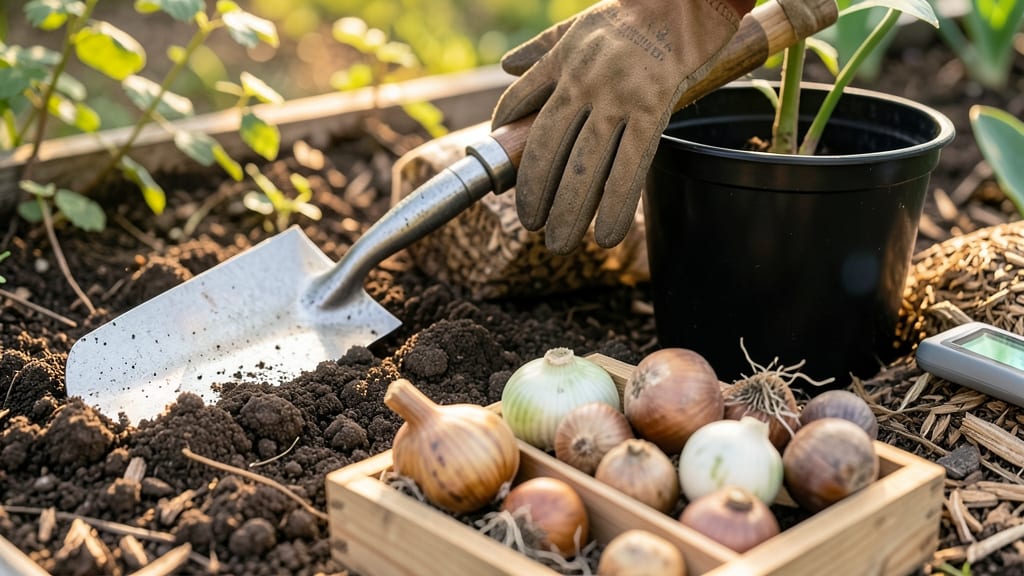
If you’ve ever wondered "when do you plant bulbs in the South", timing is everything—get it wrong, and you’ll either watch your 🌷 rot in soggy soil or freeze before they even sprout.
The secret lies in those crisp fall days when temperatures dip but frost hasn’t struck yet, creating the perfect window for bulbs like tulips and daffodils to establish roots before winter.
Southern gardens (Zones 7–10) have their own rhythm, where coastal areas might plant later than inland spots due to milder winters.
I’ll show you exactly when to dig in—from the Gulf Coast’s extended window to the Deep South’s earlier deadlines—so you can avoid the two biggest mistakes: planting too soon (hello, mushy bulbs) or too late (frost damage).
Beyond dates, we’ll cover soil prep, depth tricks, and mulching hacks to protect your investment. Whether you’re a first-timer or a seasoned gardener, these steps will help you transform fall prep into next spring’s showstopper blooms—without the guesswork.
Ready to turn your yard into a springtime paradise? Let’s break down the exact timing, tools, and techniques that’ll make your bulbs thrive, no matter where you are in the South.
Southern planting Zones: exact fall dates for bulbs by hardiness Zone
Timing is everything when planting bulbs in the South, where USDA Zones 7–10 create a unique challenge. Unlike cooler climates, Southern gardeners must balance soil warmth with frost risk, especially in zones like Zone 7 where late frosts can still occur.
The golden rule? Plant bulbs when soil temperatures drop below 60°F (15°C) but before the first hard frost hits your area.
For example, in Zone 7 (think Atlanta or Dallas), aim for mid-October to early November. But in Zone 10 (like Miami or Houston), you’ve got until December or even January—though some bulbs may need winter chill to bloom.
Microclimates matter too: Coastal areas (like Charleston) stay milder longer, while inland spots (like Birmingham) cool faster.
Here’s the secret window for each zone, tailored to tulips, daffodils, hyacinths, and other cold-hardy bulbs:
| Zone | Ideal Planting Month | Soil Temp Goal | Frost Deadline | Bulb Examples |
|---|---|---|---|---|
| Zone 7 | Mid-October to early November | Below 60°F (15°C) | November 15 | Tulips, Daffodils, Hyacinths |
| Zone 8 | Late October to mid-November | Below 60°F (15°C) | December 1 | Crocuses, Alliums, Snowdrops |
| Zone 9 | November to early December | Below 55°F (13°C) | December 15 | Lilies, Fritillaries, Rain Lilies |
| Zone 10 | December to January | Below 50°F (10°C) | January 15 | Daylilies, Canna Lilies, Gladiolus |
Pro tip: Check your local average first frost date using the USDA Plant Hardiness Zone Map or a local Cooperative Extension Service. For instance, Zone 7a (like Memphis) freezes earlier than Zone 7b (like New Orleans).
Adjust your timeline by 1–2 weeks if your microclimate runs cooler or warmer than the norm.
If you’re in a coastal area (like Savannah or Galveston), you might push planting into early December—the ocean’s moderating effect delays frost. But inland areas (like Austin or Raleigh) need bulbs in the ground by mid-November to avoid 32°F (0°C) temps.
Always err on the side of planting too late rather than too early; bulbs rot in warm, wet soil.
For tropical bulbs (like rain lilies or canna lilies), follow a different rule: Plant in early spring (February–March) when soil warms to 65°F (18°C). These bulbs thrive in Zone 9–10 and don’t need cold dormancy.
Remember, soil temperature is your best friend. Use a soil thermometer to confirm readiness—60°F (15°C) or cooler signals it’s time to plant. If your soil stays warm past December, consider pre-chilling bulbs in the
Southern planting Zones: exact fall dates for bulbs by hardiness Zone
If you’re in USDA Zones 7–10, your fall bulb-planting window is narrower than in colder regions—but timing it right means the difference between rotten bulbs and showstopper spring blooms. The rule of thumb?
Plant 6–8 weeks before your first hard frost, when soil temps hit 60°F or below. In the South, that often lands in October or November, but your exact deadline depends on your zone and whether you’re near the coast or inland.
For example, Zone 7 gardeners (like those in Atlanta or Raleigh) should aim for mid-October to early November, while Zone 10 growers (think Miami or Houston) can plant as late as December.
Coastal areas like Charleston or Savannah may have a 2–4 week later window than inland spots due to milder winters. The key is avoiding soil temps above 60°F, which triggers rot, and frost risks, which can kill tender roots.
Here’s the zone-by-zone breakdown you need to mark on your calendar, plus soil temp targets and bulb types that thrive in Southern climates:
| Zone | Ideal Planting Window | Soil Temp Target | Bulb Examples | Last Chance |
|---|---|---|---|---|
| 7 (Atlanta, Raleigh) | Mid-October to early November | 60°F or below | Tulips, Daffodils, Hyacinths | November 15 |
| 8 (New Orleans, Orlando) | Late October to mid-November | 55–60°F | Crocus, Allium, Snowdrops | December 1 |
| 9 (Houston, Tampa) | November to early December | 50–55°F | Daylilies, Rain Lilies, Camassia | December 15 |
| 10 (Miami, Key West) | December (cooler months) | 45–50°F | Tropical Bulbs (e.g., Rain Lilies) | January 10 |
🌱 Pro Tip: Use a soil thermometer to confirm temps—bulbs planted in warm soil will rot before roots form.
One common mistake in the South is waiting until December to plant, especially in Zones 7–8. By then, soil temps may still be too warm, and bulbs like tulips won’t establish roots before winter.
Another pitfall? Planting too shallow in heavy clay or too deep in sandy soil. Aim for 3x the bulb’s height (e.g., a 2-inch bulb goes 6 inches deep), adjusting for your soil type.
For coastal gardeners, watch for microclimate shifts. Areas near the Gulf or Atlantic may stay frost-free longer, but humidity can increase rot risk.
If your region has unpredictable late frosts (like Zone 7’s occasional January chill), mulch with 3–4 inches of straw or pine needles after planting to insulate bulbs. This extra layer can raise soil temps by 5–10°F, protecting roots from surprise freezes.
Finally, don’t overlook bulb viability. Test-store bought bulbs by floating them in water: if they sink, they’re fresh and ready to plant. If they float, they’re dried out and may not bloom well.
For maximum spring color, mix tulips, daffodils, and alliums—they bloom at different times, extending your seasonal display from late winter to early spring.