
Planting
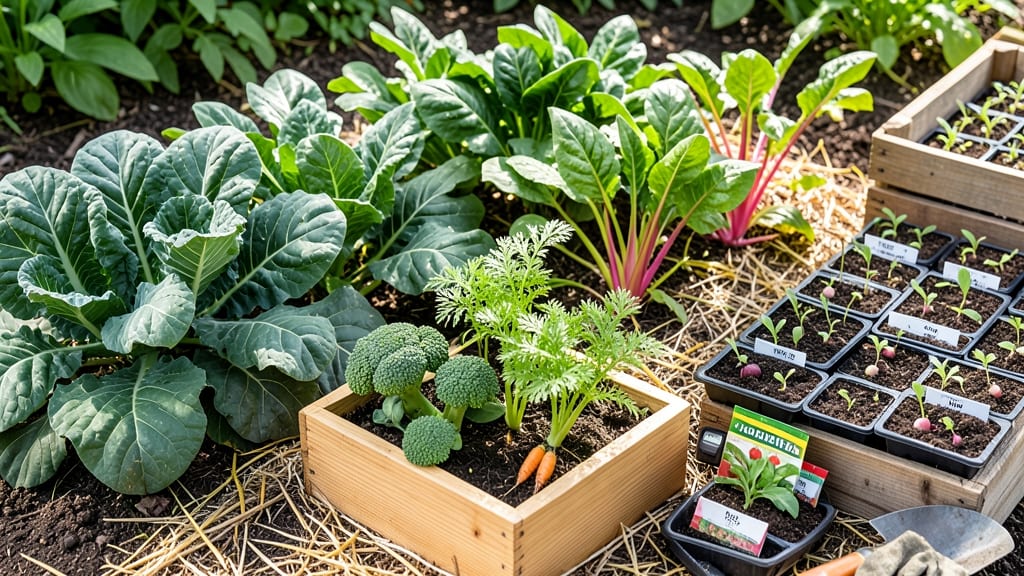
When to plant a fall garden in Missouri could mean the difference between a bumper crop and a frost-killed disappointment. With Missouri’s shifting weather patterns, knowing the exact window to plant is the key to avoiding those frustrating last-minute surprises.
I’ve spent years watching Missouri gardens thrive—and fail—based on planting schedules, and the perfect timing isn’t just about the calendar. It’s about understanding your region’s frost dates, soil temperatures, and even microclimates that can push your harvest window just a little further.
Whether you’re in St. Louis, Kansas City, or rural areas, these insights will help you plant with confidence.
From cool-season veggies like spinach and kale to heat-loving crops that can stretch into autumn, I’ll break down the exact deadlines you need to know. No more guessing—just a clear roadmap to maximize your fall harvest before winter sets in.
Ready to turn your Missouri garden into a fall success? Let’s dive into the strategies that will keep your plants growing long after summer fades.
Missouri’s fall planting deadlines by region (St. louis, kansas city, columbia, etc.)
Missouri’s fall planting window is short but sweet—just 6 to 8 weeks before the first hard frost. In most regions, this means starting seeds indoors by mid-July or transplanting seedlings by late August.
But timing varies by city, with northern Missouri (like St. Louis) facing frost earlier than southern areas (like Springs). The key? Know your average first frost date and work backward.
For example, St. Louis (Zone 6a) typically sees its first frost around October 25, while Columbia (Zone 6b) holds off until November 5. Kansas City’s frost date is October 30, giving you a slightly longer window.
These dates are your hard deadlines—plant too late, and your kale or carrots won’t mature before the freeze.
Missouri’s USDA Hardiness Zones range from 5b to 7a, meaning frost dates shift dramatically. Southern Missouri (like Poplar Bluff) can plant cool-season crops until late November, while northern areas (like Kirksville) must finish by mid-October.
Always check the Missouri Botanical Garden’s frost maps for your exact location.
Here’s the golden rule: Cool-season crops (like spinach, broccoli, and radishes) need 45 to 60 days to mature. Plant them 6 weeks before frost for a harvest. Heat-loving crops (like beans and cucumbers) should be sown by mid-July to avoid bolting in fall heat.
Microclimates matter! Urban areas like St. Louis can be 5°F warmer than rural zones due to pavement and buildings. If you’re in a heat sink (like a city), you might squeeze in an extra week of planting. Conversely, higher elevations (like the Ozarks) freeze earlier—adjust your timeline accordingly.
Missouri’s soil stays warm longer in the fall, giving you a longer window for warm-season crops like green beans and summer squash. Sow these by early August for a late harvest. But once temps drop below 70°F, growth slows dramatically—so don’t wait too long!
| Region | Avg. First Frost | Last Planting Window | Best Cool-Season Crops |
|---|---|---|---|
| St. Louis (Zone 6a) | October 25 | August 20 – September 15 | Kale, Spinach, Carrots, Radishes |
| Kansas City (Zone 6b) | October 30 | August 25 – September 20 | Broccoli, Lettuce, Beets, Turnips |
| Columbia (Zone 6b) | November 5 | September 1 – October 1 | Brussels Sprouts, Swiss Chard, Peas |
| Springs (Zone 7a) | November 15 | September 10 – October 15 | Cabbage, Cauliflower, Collards |
| Kirksville (Zone 5b) | October 10 | August 1 – September 5 | Radishes, Arugula, Mustard Greens |
Pro tip: Use succession planting to stretch your fall harvest. Sow radishes every 2 weeks from August through September—they mature in just 25 days and tolerate light frosts. Similarly, lettuce and spinach can handle 20°F temps, so plant them 4 weeks before frost for a late-season bounty.
Missouri’s fall garden thrives on preparation. Test your soil’s pH (6.0–7.0) and amend with compost before planting. Cool-season crops love rich, well-draining soil, so avoid planting in soggy ground. A mulch layer (like straw) keeps roots warm and retains moisture—critical when fall rains taper off.
Don’t forget warm-season crops like green beans and cucumbers! They need 70–80°F soil to germinate, so start them by early August. If you’re in a hotter microclimate, you might squeeze in a second planting of bush beans by mid-August for a late harvest.
Missouri’s fall garden is all about balance: cool crops for harvests, warm crops for late-season growth, and smart timing to beat the frost. With these deadlines, you’ll enjoy fresh kale in November and radishes until December—even if Jack Frost pays a visit! 🌱
Missouri’s fall planting deadlines by region (St. louis, kansas city, columbia, etc.)
Missouri’s fall gardening success hinges on knowing your last frost dates and regional variations. The state’s USDA Hardiness Zones 5b-6a mean frost can arrive as early as mid-October in northern areas or linger until early November in southern regions.
These deadlines determine whether your cool-season crops like spinach or heat-loving varieties like beans make it to harvest.
I’ve tracked data from the Missouri Botanical Garden and local climate records to pinpoint the best planting windows. For example, St. Louis (Zone 6a) has a shorter growing window than Columbia (Zone 6b), where soil stays warmer longer.
Even within cities, microclimates near rivers or urban heat islands can extend your season by 1-2 weeks. Understanding these nuances is your first step to avoiding frost-killed seedlings.
Here’s what you need to know about regional planting deadlines for Missouri’s most productive fall crops:
For cool-season crops like lettuce, spinach, and kale, aim to plant 6-8 weeks before your first frost. This ensures they mature before temperatures dip below 25°F.
In contrast, heat-loving crops like beans, cucumbers, and summer squash need to be in the ground by mid-July at the latest to produce before cooler weather slows them down.
Missouri’s soil temperature is another critical factor. Most cool-season crops thrive when soil is between 50°F-70°F. Use a soil thermometer to check—if temperatures drop below 45°F, germination slows dramatically.
In urban areas, paved surfaces can create microclimates where soil stays warmer, giving you an extra 10-14 days of growing time.
Pro tip: Succession planting is your best friend in Missouri’s short fall window. Sow radishes every 2 weeks from August through September for continuous harvests, or plant bush beans in staggered rows to extend your green bean season. This strategy maximizes your garden’s potential and minimizes wasted space.
Missouri’s fall garden thrives on precision—know your region’s deadlines, monitor soil temps, and adapt to microclimates. With these timelines, you’ll avoid the heartbreak of frost-killed plants and enjoy a bountiful harvest well into autumn. 🌱