
Plants
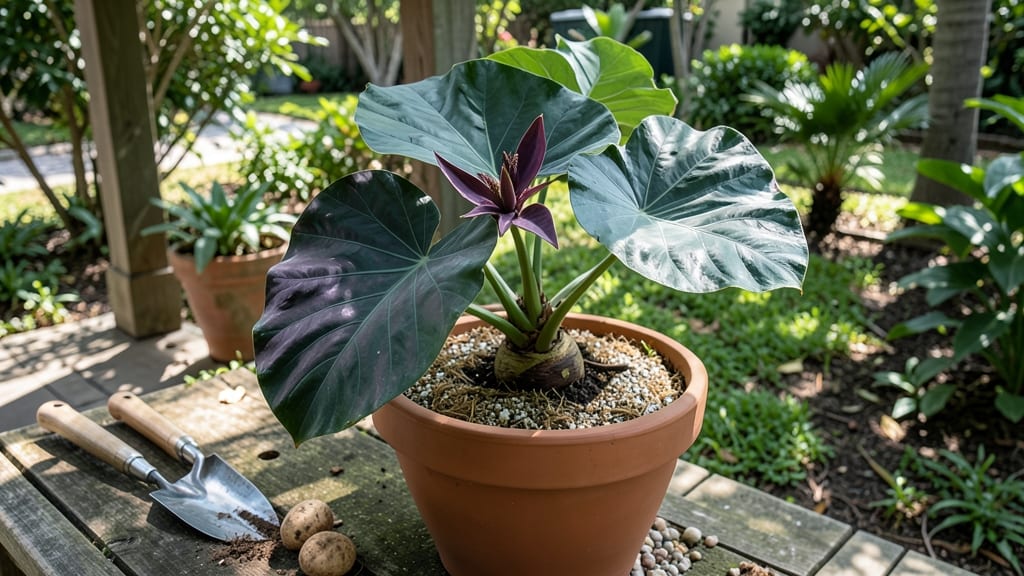
Timing is everything when it comes to planting Elephant Ear bulbs in pots—get it wrong, and you risk soggy tubers or wilted leaves before they even bloom.
This stunning 🌿 foliage plant demands patience, especially in Zone 6a, where chilly springs and scorching summers can throw off your schedule.
If you plant too early, frost-sensitive tubers may rot in cold soil, while waiting too late risks stunted growth as summer heat arrives. The sweet spot? After your last frost date—typically mid-April in most regions—when soil warms to a cozy 60°F and danger of frost has passed.
But here’s the kicker: not all Elephant Ear varieties play by the same rules. Tropical types like Colocasia need extra warmth, while hardier Alocasia can handle cooler starts.
I’ll break down the best months for your zone, plus pro tips to prep your pots and tubers for lush, long-lasting foliage.
Ready to avoid common pitfalls and give your Elephant Ear the perfect head start? Let’s dive into the timing secrets that’ll have your plant thriving all season.
Optimal planting months for elephant ear bulbs in pots by US hardiness Zone
Timing is everything when planting elephant ear bulbs in pots. These tropical beauties (Colocasia spp.) despise cold soil and frost, but they also need time to establish roots before summer's intense heat arrives.
The ideal window varies by USDA hardiness zone, with Zone 3-5 gardeners waiting longer than those in Zones 9-11. Let's break down the perfect planting months for each zone to ensure your potted elephant ears thrive all season.
For most gardeners in Zones 6-10, the sweet spot is late April through early June. This gives tubers enough time to sprout before temperatures climb above 85°F, which can stress young plants.
In colder zones (3-5), aim for mid-May to early June—after your last frost date and when soil temperatures consistently stay above 60°F. Warmer zones (9-11) can plant as early as March, but avoid planting before March 15 to prevent rot.
Here’s the key: Elephant ear bulbs need 8-10 weeks of warm soil before summer’s peak heat. If you plant too early in cooler zones, the tubers may rot. Too late, and your plant will bolt or struggle to develop lush foliage before heat stress sets in.
The goal is to time planting so new growth appears just as daytime temperatures stabilize around 70-75°F.
🌱
| USDA Zone | Optimal Planting Window | Soil Temp Requirement | Key Consideration |
|---|---|---|---|
| Zones 3-5 | Mid-May to early June | 60°F+ consistently | Wait for last frost + warm soil |
| Zones 6-7 | Late April to mid-May | 55°F+ minimum | Avoid planting before May 1 |
| Zones 8-9 | March to early April | 50°F+ minimum | Start early but monitor for rot |
| Zones 10-11 | February to March | 45°F+ minimum | Plant in partial shade to prevent heat stress |
If you live in Zones 9-11, you might be tempted to plant elephant ear bulbs as early as February, but resist the urge! Tubers planted too soon in warm climates can rot due to excessive moisture and high humidity.
Instead, opt for late February to early March and place pots in partial shade until soil temperatures stabilize. This gives tubers time to root without overheating.
For gardeners in Zones 3-5, patience is key. Even if your last frost date is in mid-April, wait until mid-May to plant. Cold soil temperatures below 55°F will stunt root growth and invite fungal diseases. Use a soil thermometer to confirm temperatures are consistently above 60°F before planting.
Pro tip: In Zones 6-8, consider starting tubers indoors 4-6 weeks before your target outdoor planting date. Place them in pots with moist potting mix and keep them in a bright, warm spot (70°F+). This head start ensures stronger roots by the time you move them outside.
🌿
One common mistake is planting elephant ear bulbs too late in summer. If you miss the ideal window, your plant may struggle to establish before fall temperatures drop.
In Zones 3-7, aim to have plants established by mid-July so they can grow large enough to tolerate cooler autumn nights. In warmer zones, late summer planting is riskier due to heat stress, so stick to the early spring window.
Finally, remember that container gardening affects timing slightly. Pots heat up faster than garden beds, so monitor soil temperatures closely. If your pot feels warm to the touch, your tuber may be at risk of overheating.
Use black pots in cooler zones to absorb and retain heat, or light-colored pots in hot climates to reflect excess heat.
Optimal planting months for elephant ear bulbs in pots by US hardiness Zone
Timing your Elephant Ear bulbs in pots depends heavily on your USDA hardiness zone. In Zone 6a, where I garden, the sweet spot is mid-April to early May—just after the last frost when soil hits 60°F.
But if you live in Zone 8-11, you’ve got more flexibility, while Zones 3-5 need to wait until late May or June to avoid frost damage.
For tropical Colocasia varieties, warmth is critical. Plant in May or June in cooler zones to prevent rot from lingering chill. Hardier Alocasia types can handle April planting in Zones 7-11, but always check your last frost date—I use the National Weather Service app to track local trends.
| Zone | Best Planting Month | Soil Temp | Notes |
|---|---|---|---|
| 3-5 | Late May - June | 60°F+ | Wait for consistent warmth |
| 6a-7b | Mid-April - May | 60°F+ | After last frost |
| 8-11 | March - April | 55°F+ | Tropical varieties thrive earlier |
Pro tip: If you’re in a hot climate (Zones 9-11), consider fall planting for a winter display—just plant 8-10 weeks before first frost. My Colocasia in Zone 10 often blooms twice a year this way!
For container gardening, heat is your enemy. Plant before June 15 in most zones to avoid leaf scorch from afternoon sun. I’ve seen Elephant Ears wilt within days if planted too late—don’t let that happen to yours.
Use a soil thermometer to confirm 60°F+ soil before planting. Cold soil slows root growth, leading to stunted plants. My first year, I planted too early in Zone 6a, and the tubers rotted—lesson learned! 🌱
Adjust for microclimates: Urban areas heat up faster than rural zones. If your balcony gets intense afternoon sun, plant 2 weeks later than the zone guidelines. Shade cloth helps, but timing matters most.