
Plants
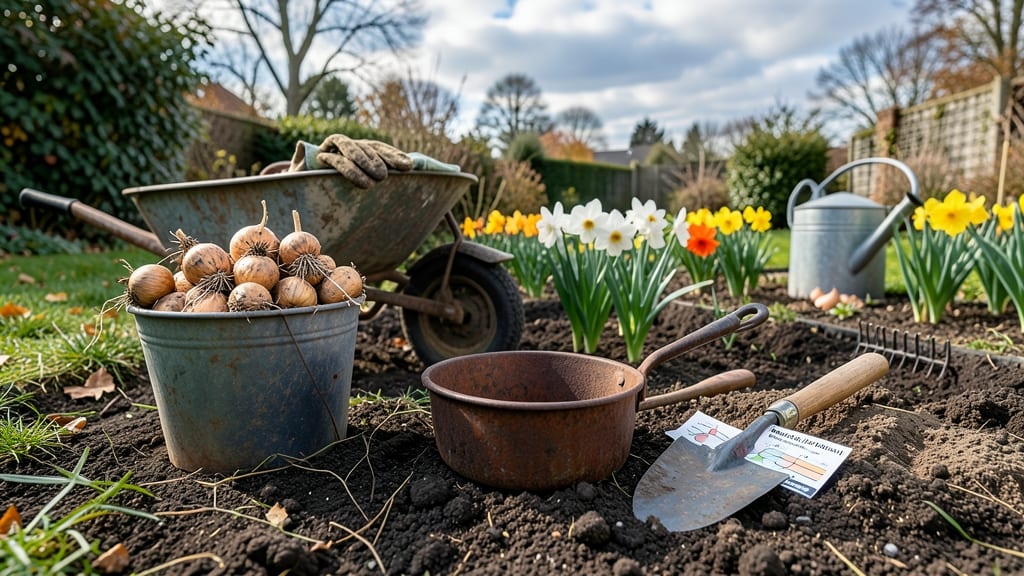
If you've ever watched daffodil bulbs pop up in Seattle gardens come spring and wondered when to plant the daffodil bulbs in Seattle for those bright blooms of your own, the answer starts with timing.
Planting them too early or too late in Seattle's Zone 8a climate can mean the difference between vibrant 🌼 blooms and wasted effort.
Most gardeners in the Pacific Northwest know fall is the ideal time, but the exact window matters more than you might think.
When you plant daffodil bulbs between October and November, you give them the perfect head start before winter sets in - avoiding frost damage while allowing roots to establish deeply. This is the key to reliable blooms next spring.
What makes Seattle's climate unique is its unpredictable frost patterns. Unlike warmer zones, you need to time your planting so bulbs are snug in the ground by mid-November at the latest.
Too late, and they won't have time to root before freezing temperatures arrive. Too early, and they might sprout prematurely only to be nipped by fall rains.
In this guide, I'll walk you through the exact planting window, soil prep secrets, and how to choose the hardiest varieties for Seattle's damp winters. By the end, you'll know exactly when to plant for zero-frost success and a garden full of cheerful yellow blooms next spring.
Seattle’s ideal daffodil planting months: exact timing for zero-frost success
Planting daffodil bulbs in Seattle requires precision—timing matters more than anywhere else due to our Zone 8a climate and unpredictable frost patterns. The perfect window is between mid-October and mid-November, when soil temperatures drop to 60°F or below but before the ground freezes solid.
This ensures bulbs establish roots while avoiding winter die-off.
Seattle’s last average frost date is November 15, but microclimates (like sheltered garden spots) can delay frost by 1-2 weeks. Plant bulbs 4-6 weeks before your local frost date to give roots time to anchor. For example, if frost hits November 20, aim for early to mid-October planting.
Here’s the golden rule: Bulbs need 6-8 weeks of cool soil before winter dormancy. If you plant too early (September), they may sprout prematurely and get frost damage. If you wait too late (December), roots won’t establish before freezing.
Pro tip: Use Seattle’s historical frost data from the National Weather Service to adjust your timeline. For instance, 2020’s early frost (November 5) caught many off guard—so check 5-year averages for your specific neighborhood.
🌼
| Timing Factor | Seattle Specification | Action Required |
|---|---|---|
| Ideal Planting Window | Mid-October to Mid-November | Plant bulbs 6 weeks before frost |
| Soil Temperature | 60°F or below | Use a soil thermometer to confirm |
| Frost Buffer | 4-6 weeks before last frost | Adjust for early/late winters |
| Late Planting Cutoff | Early December (if soil isn’t frozen) | Bulbs may not bloom as strongly |
| Spring Planting? | Not recommended | Bulbs need winter chilling to bloom |
Seattle’s rainy fall season adds complexity—soggy soil can suffocate bulbs, while dry spells (like late October) may require extra watering. Test soil moisture before planting: Stick your finger 6 inches deep. If it’s dry, water thoroughly 24 hours before planting to prevent shock.
For container gardening, plant bulbs in well-draining pots with a minimum 6-inch depth. Containers warm up faster, so adjust your timeline 1-2 weeks earlier than in-ground planting. Place pots in sheltered spots to delay frost exposure.
If you miss the fall window, don’t panic—but know the trade-offs. Planting in early December (if soil isn’t frozen) may yield smaller blooms the following spring. For next year’s success, mark your calendar now: October 15–November 15 is your prime planting window.
🌿
Seattle’s ideal daffodil planting months: exact timing for zero-frost success
Seattle’s Zone 8a climate creates a tight window for planting daffodil bulbs. The perfect time is between mid-October and mid-November, when soil temperatures drop below 60°F (15°C) but before the first hard frost hits. This 4-week window ensures bulbs establish roots without sprouting too early.
Why this timing? Daffodils need 6-8 weeks of cool soil to root before winter dormancy. Planting too early (September) risks premature sprouting, while late planting (December) leaves bulbs vulnerable to frost damage. Seattle’s average last frost date is November 15, so aim to finish planting by then.
Here’s how to adjust for Seattle’s microclimates. Coastal areas (like West Seattle) stay milder longer, so you might plant until late November. Inland spots (like Bellevue) freeze earlier—stick to early November planting. Check your local frost dates using the USDA Plant Hardiness Zone Map for precision.
If you miss the fall window, spring planting is possible but risky. Daffodils planted in March or April may bloom the same year, but they’ll be weaker and less reliable. For best results, always plant in fall—Seattle’s cool, wet winters are perfect for bulb establishment.
Pro tip: Use a moisture meter to check soil readiness. Bulbs need well-draining soil—Seattle’s clay-heavy soil often needs amendments like sand or compost. Mulch after planting to insulate bulbs from temperature swings.
Remember, daffodils are frost-hardy once planted, but frost before roots form can kill them. By following this 4-week window, you’ll guarantee vibrant blooms by next April. 🌼