
Plants
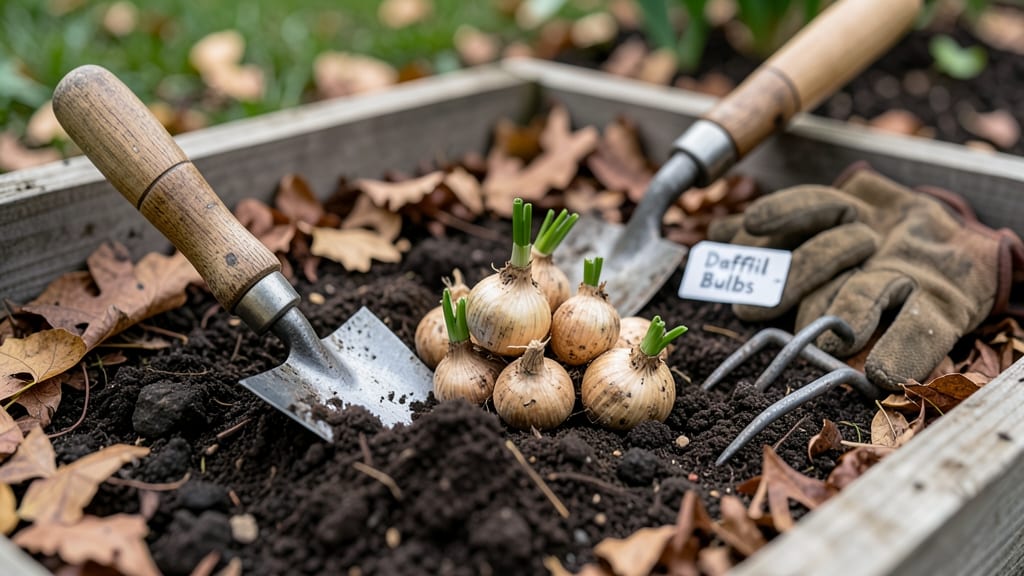
Timing your daffodil bulbs when to plant in the fall could mean the difference between a garden bursting with cheerful 🌼 blooms and a missed opportunity. Too early, and they might sprout before winter; too late, and they won’t get enough chill hours to thrive.
In USDA Zone 6a, where I garden, the sweet spot is 6 weeks before the first frost—typically late September to early October.
But here’s the catch: not all daffodils are created equal. Some varieties need more cold exposure than others to bloom reliably. If you’ve ever planted bulbs only to see sparse or weak flowers the next spring, you’re not alone—many gardeners overlook this key detail.
The good news? With the right timing and variety selection, you can ensure your daffodils put on a show every year.
I’ll walk you through exactly when to plant in your zone, how to adjust for early or late frosts, and which varieties thrive with minimal fuss. Plus, I’ll share my top tips for soil prep and post-planting care to give your bulbs the best shot at success.
Let’s get those 🌼 blooms off to a great start!
Ready to transform your fall gardening routine? By the end of this guide, you’ll know not just when to plant, but how to set your daffodils up for years of vibrant spring color—without the guesswork. Let’s dive in!
Optimal fall planting dates for daffodil bulbs by US hardiness Zone
Timing is everything when planting daffodil bulbs in the fall. These hardy perennials need 6-8 weeks of cool soil temperatures to establish roots before winter dormancy. Plant too early, and bulbs may sprout prematurely; too late, and they won’t get enough chill hours for spring blooms.
The key is aligning your planting window with your USDA hardiness zone—where colder climates (like Zone 3) have a longer window than warmer areas (like Zone 10).
For most gardeners in Zones 3-7, aim to plant daffodil bulbs 6 weeks before the first hard frost. This typically lands in late September to early October, giving bulbs time to root before the ground freezes.
In Zones 8-10, where winters are milder, you can extend planting into November—just ensure soil temps stay above 40°F (4°C) to prevent rot. Always check your local frost date for precision.
Soil temperature is your best guide: daffodil bulbs thrive when planted in soil that’s 40-55°F (4-13°C). Use a soil thermometer if unsure—planting in warm soil (above 60°F/16°C) can trigger early sprouting, while cold soil (below 40°F/4°C) stunts root growth. In Zone 5, for example, this usually means planting by October 15th, while in Zone 9, you might still have time in early November.
Here’s a quick rule of thumb: Count backward from your first frost date. If your area typically freezes on November 15th, plant bulbs by October 1st. Pro tip: Order bulbs early—popular varieties sell out fast, and fall planting season is a busy time for nurseries!
Store bulbs in a cool, dark place (like a garage) until you’re ready to plant.
Adjust your planting schedule if your fall is unusually warm or cold. For example, if your area experiences early frosts in September, plant daffodils by mid-September even if it feels early.
Conversely, if your fall stays mild until November, you can hold off until early November—just monitor soil temps closely. Late fall planting is riskier because bulbs may not root deeply enough before winter.
Don’t forget to prep your soil before planting. Daffodils prefer well-draining soil with a pH of 6.0-7.0. Amend heavy clay or sandy soil with compost or organic matter to improve drainage and fertility.
A 2-inch layer of mulch after planting helps insulate bulbs and retain moisture, especially in dry or fluctuating climates. Avoid fresh manure—it can burn bulbs and attract pests.
If you’re in a warmer microclimate (like near a heat-retaining wall or in a low-lying area), plant bulbs shallower (5-6 inches deep) and earlier to reduce heat stress. Conversely, in cold, windy areas, plant deeper (7-8 inches) and use mulch to protect bulbs from freeze-thaw cycles.
These adjustments can make all the difference in bulb survival and spring blooming.
Pro tip: Mark your planting spots with biodegradable flags or a simple garden map. Daffodils are deer-resistant, but curious critters (like squirrels or chipmunks) might dig them up. A light wire mesh barrier over newly planted beds can deter bulb thieves until roots establish.
Once planted, water deeply once a week (unless rain does the job) to encourage root growth before winter sets in.
Remember, fall-planted daffodils reward patience. While you won’t see blooms until spring, those 6-8 weeks of root growth in autumn set the stage for vibrant, long-lasting flowers year after year.
With the right timing, your garden will burst with color just as winter fades—proof that a little autumn prep goes a long way.
Optimal fall planting dates for daffodil bulbs by US hardiness Zone
If you’ve ever wondered when to plant daffodil bulbs in the fall, the answer isn’t one-size-fits-all. Your USDA hardiness zone plays a huge role in determining the perfect window.
In my Zone 6a, I aim to plant bulbs 6 weeks before the first frost, usually between late September and early October. But gardeners in warmer zones like Zone 9 have a much shorter window—sometimes just a few weeks before winter sets in.
The key is ensuring your bulbs get enough chill hours (typically 40-60°F for 12-16 weeks) to trigger blooming. Plant too early, and they might sprout before winter; too late, and they won’t get enough cold exposure.
Let’s break down the ideal planting windows by zone to help you avoid these common mistakes.
| USDA Zone | Ideal Planting Window | Soil Temp Threshold | Notes |
|---|---|---|---|
| Zones 3-5 | Mid-September to early October | 50-60°F | Longer chill period; plant early |
| Zones 6-7 | Late September to mid-October | 45-55°F | Classic window for most gardeners |
| Zones 8-10 | td style="text-align: center; padding: 10px; border: 1px solid #ffcc00;">Early November to December40-50°F | Short window; act fast |
Adjusting for early or late frosts is crucial. If your area experiences an early frost, plant bulbs 4-6 weeks before the average date. Conversely, if you’re in a zone with unpredictable weather, consider using a frost blanket to protect newly planted bulbs until the ground freezes.
I’ve found that mulching with straw or leaves after planting helps insulate the soil and keeps temperatures stable.
One more pro tip: Order bulbs early if you’re in a colder zone. Many nurseries ship bulbs in August or September, giving you time to store them in a cool, dark place (like a garage) until planting.
This ensures you’re not scrambling at the last minute. In my experience, Tête-à-Tête and Ice Follies varieties handle cooler soils better, making them great choices for early planting.
Finally, don’t forget to test your soil before planting. Daffodils thrive in well-draining soil with a pH of 6.0-7.0. If your soil is heavy clay or sandy, amend it with compost or organic matter to improve drainage.
This small step can make all the difference in preventing bulb rot over winter.
With the right timing and soil prep, your daffodils will reward you with bold, vibrant blooms next spring—no guesswork required. Happy planting! 🌼