
Plants
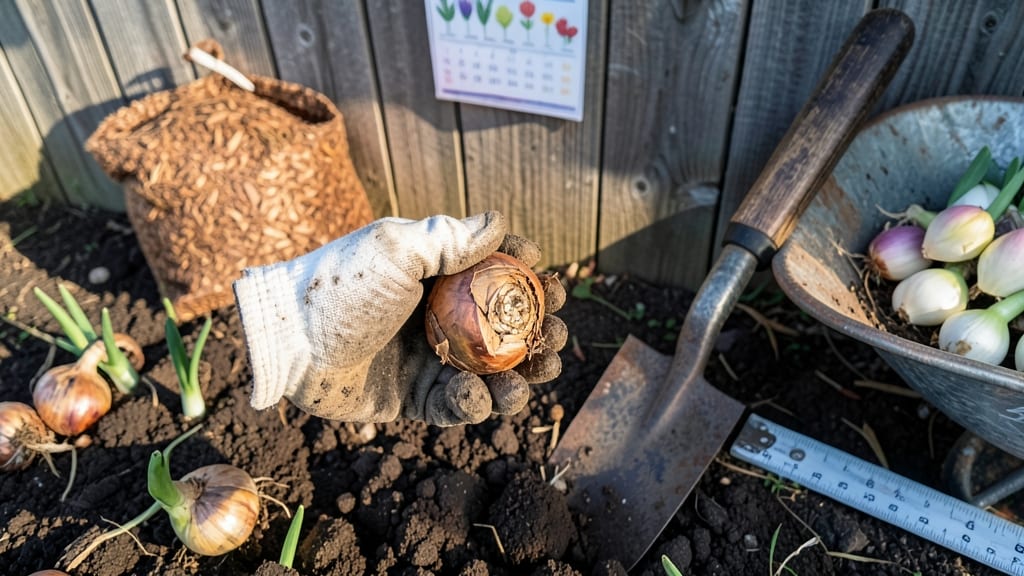
If you’ve ever watched your tulips freeze before they bloom—or worse, rot in the ground—you know when to plant bulbs in Oklahoma isn’t just a suggestion, it’s a survival skill.
The wrong timing can turn your spring garden dreams into a sad pile of mush, while nailing it means waking up to a burst of color when most of the state is still brown.
Here’s the secret: Oklahoma’s Zone 6a-7b climate demands precision. Plant too early, and your bulbs might sprout before winter sets in. Too late, and they’ll shrivel under the first frost. The ideal window? September through November for fall planting, or January-February for winter varieties like crocuses that brave the chill.
But with Oklahoma’s unpredictable freezes, even the best-laid plans can go sideways.
I’ve spent years testing what works in this tricky climate, and I’ll show you exactly how to time your planting for zero-frost blooms. We’ll cover the critical deadlines for tulips, daffodils, and more, plus how to adjust for Oklahoma City’s heat islands versus rural areas.
No more guessing—just vibrant, frost-proof spring blooms.
Ready to turn your garden into a showstopper? Let’s dive into the exact dates, soil tricks, and cold-hardy varieties that’ll make your neighbors green with envy—literally. 🌱
Oklahoma Zone 7b bulb planting deadlines by type (spring vs fall)
Timing is everything when planting bulbs in Oklahoma’s Zone 7b, where average first frost arrives between November 15–December 15. Most spring-blooming bulbs like tulips and daffodils need to root before winter, while late-season varieties like crocuses can handle cooler soils.
Missing these windows risks frost damage or poor blooms next spring.
Fall planting is ideal for 90% of bulbs, including hyacinths, alliums, and fritillaries. Aim to plant 6–8 weeks before ground freezes—typically by mid-October in most of Oklahoma.
Spring planting (January–February) works for winter-blooming bulbs like snowdrops or galanthus, but requires chilling in a fridge first.
Key deadlines:
- Tulips/Daffodils: Plant by October 15 (fall) or January 1–15 (spring)
- Hyacinths: Plant by October 31 (fall only)
- Crocuses: Plant by November 15 (fall) or January 31 (spring)
🌱 Oklahoma Bulb Planting Deadlines by Type
| Bulb Type | Fall Planting Window | Spring Planting Window | Notes |
|---|---|---|---|
| Tulips | Sept 15–Oct 15 | Jan 1–15 | Chill bulbs 6–8 weeks before spring planting |
| Daffodils | Oct 1–Nov 1 | Jan 15–Feb 15 | Deer-resistant; great for borders |
| Hyacinths | Sept 1–Oct 31 | N/A | Must plant in fall; toxic to pets |
| Crocuses | Oct 15–Nov 15 | Jan 31–Feb 15 | Early bloomers; naturalize easily |
| Alliums | Sept 15–Oct 30 | N/A | Drought-tolerant; great for pollinators |
For spring-planted bulbs, mimic winter conditions by storing them in a 35–40°F fridge for 12–16 weeks before planting. This trick works for tulips and daffodils but isn’t needed for crocuses, which handle Oklahoma’s mild winters.
Oklahoma’s USDA Zone 7b means some areas (like Tulsa) may have 2–3 weeks later frost dates than rural zones. Check your local first frost date—aim to plant 6 weeks before that date for best results. Late October is your last chance for most bulbs!
Pro tip: Plant shallow-rooted bulbs like crocuses just 2–3 inches deep, while tulips need 6–8 inches of soil cover. Use a soil thermometer to confirm 60°F soil temps before planting—ideal for root growth.
Missed the fall window? Don’t panic! January–February is your second chance for spring-blooming bulbs, but they’ll bloom 4–6 weeks later than fall-planted varieties. Choose late-blooming varieties like Tulip 'Darwin Hybrid' for extended color.
🌷
How to adjust planting dates for Oklahoma’s microclimates (urban vs rural)
Oklahoma’s urban heat islands can delay frost by 2-3 weeks compared to rural areas, making planting dates a moving target.
In Oklahoma City, concrete and asphalt trap heat, pushing first frost dates from November 15 to as late as December 1, while rural areas like Tulsa or Woodward may freeze earlier.
This shift means bulbs planted in late November in the city might survive, while the same timing could spell disaster in cooler zones.
To navigate these differences, I rely on soil thermometers and local frost date averages. For example, Oklahoma City’s average first frost is November 22, but I’ve seen it hit November 5 in unusually cold years.
Rural areas like Lawton or Altus can freeze even earlier, often by November 10. The key? Plant 6-8 weeks before your area’s average first frost, not the calendar date.
Here’s how to adjust: If you’re in Zone 7b (Oklahoma City), aim for October 15–November 15 for most bulbs. In Zone 6a (rural northwest OK), shift to September 20–October 30 to beat the early frost.
For spring-planted bulbs like snowdrops or winter aconites, wait until January 15–February 15 in urban areas or January 1–January 15 in rural zones.
🌱
Warning: Urban vs Rural Frost Risks
- Urban Areas (OKC, Tulsa): Frost arrives 2-3 weeks later—plant bulbs closer to Nov 15 but monitor forecasts.
- Rural Areas (Lawton, Woodward): Frost hits earlier—plant by October 15 to avoid damage.
- Microclimate Tip: Check soil temps (aim for 50–60°F)—not air temps—to confirm planting readiness.
Pro tip: Use mulch (4–6 inches of straw or leaves) to insulate bulbs in urban areas where late freezes sneak in. In rural zones, plant deeper (8–10 inches) for extra frost protection.
I’ve also had success with cold-hardy varieties like daffodils or crocuses, which tolerate 20°F without issues, giving me a buffer for timing mistakes.
For container-grown bulbs, move pots to protected spots (garages, sheds) if frost is forecasted within 2 weeks of planting. I’ve saved many a bulb by acting on 10-day forecasts—don’t wait until the last minute! Even a 32°F night can damage tender bulbs like tulips if they’re not established.
Finally, track your local frost dates for 3 years to spot patterns. Oklahoma’s climate is unpredictable, but data turns guesswork into strategy. With these adjustments, your bulbs will thrive whether you’re in the city’s heat trap or a rural chill zone. 🌿