
Plants
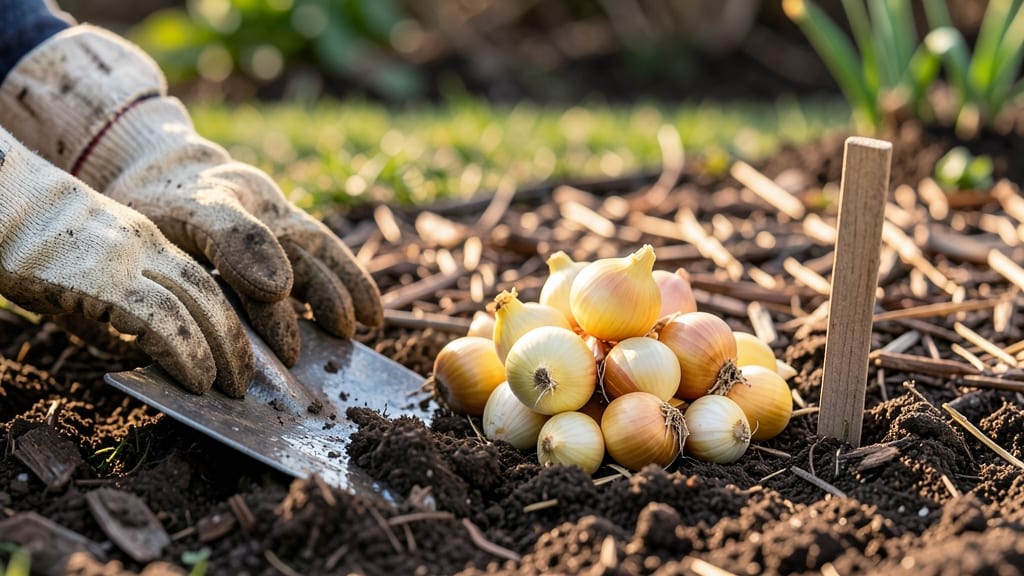
If you're dreaming of a Maryland garden bursting with cheerful 🌼 daffodils next spring, the best time to plant these daffodil bulbs in Maryland is critical. The ideal window for planting falls between October and November, when soil temperatures drop but before the ground freezes solid.
Why does timing matter so much? Plant too early, and your bulbs might rot in warm soil. Plant too late, and they won't establish strong roots before winter sets in. Maryland's climate creates a perfect frost-free window that gives bulbs just enough time to root while avoiding winter's harshest conditions.
I've learned from years of gardening in Maryland that the ideal time to plant is when daytime temperatures consistently stay below 60°F but before the first hard frost. This usually lands in late October for most of the state, giving your daffodils a head start on spring's vibrant blooms.
In this guide, I'll walk you through exactly when to plant in different parts of Maryland, how to prepare your soil, and what to watch for to ensure your daffodils thrive. Let's get those bulbs in the ground at the perfect moment for a show-stopping spring display.
Maryland’s ideal daffodil planting months by frost dates
Daffodils thrive in Maryland’s Zone 7a-8a, but timing is critical. The USDA frost-free window for planting falls between mid-October and mid-November. This ensures bulbs establish roots before winter but don’t sprout too early and risk frost damage.
Northern Maryland (Zone 7a) has a shorter window than southern Maryland (Zone 8a), so adjust accordingly.
Local data from the Maryland Department of Agriculture shows average first frost dates between November 15 and November 25. Planting 6-8 weeks before frost (typically October 15 to November 1) gives bulbs enough time to root without premature growth. Use a soil thermometer—ideal planting temps are 50-60°F.
Missed the window? Don’t panic. Late November plantings can still work in Zone 8a if soil temps stay above 40°F. In Zone 7a, wait until next fall. The key is avoiding freezing soil, which can rot bulbs before they establish.
Here’s how Maryland’s two distinct regions affect planting schedules:
Pro tip: Use a moon planting calendar for optimal root growth. Plant during the waxing moon (increasing light) to encourage strong root development before winter dormancy. Maryland’s Baltimore and Frederick counties often see earlier frosts than coastal areas like Annapolis or Ocean City, so check local almanacs.
Missed the fall window? Spring planting is possible but risky. Bulbs need 12-16 weeks to establish roots before summer heat arrives. If you must plant in spring, use container gardens with well-draining soil and keep them in partial shade until established.
For container gardening, plant bulbs in October-November just like in-ground plantings. Containers warm up faster, so monitor soil temps closely. Use a thermometer probe to ensure temps stay above 40°F at night. Dwarf varieties like ‘Tête-à-Tête’ thrive in containers and can be moved indoors before frost.
Remember: Daffodils planted in fall multiply yearly, creating larger clumps. Each bulb can produce 3-5 new bulbs annually if given proper care. This means your spring blooms will grow more abundant with each passing year, making the fall planting effort worthwhile.
🌼
Maryland’s ideal daffodil planting months by frost dates
Maryland's USDA Zones 7a-8a create a 6-8 week frost-free window perfect for daffodil bulbs. The ideal planting time falls between mid-October and mid-November, when soil temperatures drop below 60°F but before the ground freezes. This timing ensures bulbs establish roots without rotting in warm soil or sprouting too early.
Northern Maryland (Zone 7a) typically experiences its first hard frost around November 15, while southern Maryland (Zone 8a) may see frost as late as December 1. Planting in this window gives bulbs enough time to root while avoiding winter's harshest conditions.
I've found that aiming for 6-8 weeks before ground freeze works best for consistent blooms.
Here’s how Maryland’s frost dates translate to planting windows:
| Zone | First Hard Frost | Ideal Planting Window | Soil Temp Goal |
|---|---|---|---|
| 7a (Northern MD) | Mid-November | Mid-October to early November | 50-60°F |
| 8a (Southern MD) | Early December | Late October to mid-November | 55-65°F |
Use a soil thermometer to confirm temperatures—bulbs need 40-50°F soil to root properly. If your soil stays above 60°F past mid-November, wait until temperatures drop. In my experience, late November plantings can still work if soil is cool, but blooms may be delayed.
Local weather patterns matter too. Check your 10-day forecast for stable temperatures below 60°F before planting. If early frosts are predicted, adjust your timeline to avoid shocking newly planted bulbs. Maryland’s unpredictable weather makes flexibility key—don’t rush if conditions aren’t right.
For gardeners in Zone 7a, prioritize planting by October 31 to ensure bulbs root before winter. In Zone 8a, you have a bit more leeway until November 15, but don’t delay too long.
The goal is to give bulbs 4-6 weeks of root growth before the ground freezes.
Pro tip: If you miss the ideal window, late fall plantings (December) can still work, but bulbs may bloom later. Use mulch (3-4 inches) to insulate soil and protect roots during winter’s fluctuations. 🌼