
Plants
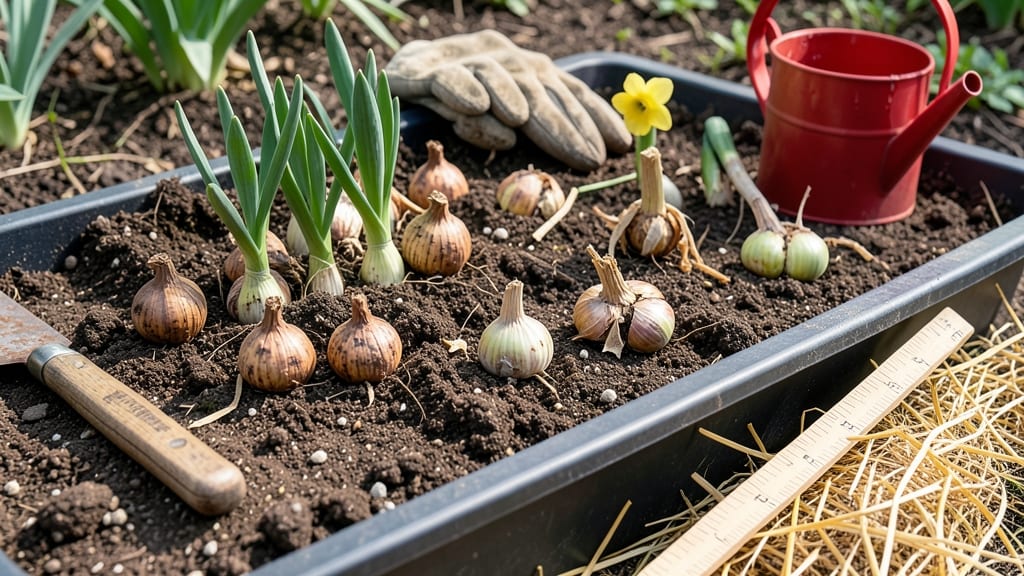
Planting bulbs in Arizona isn’t just about timing—it’s about outsmarting the desert’s relentless heat while giving your 🌷 Spring Flowering Bulbs (e.g., Tulips, Daffodils, Hyacinths) the best shot at survival.
Unlike cooler climates, Arizona’s mild winters and scorching summers demand a different approach, or you’ll end up with wilting blooms before they even begin.
Most gardeners assume fall planting is universal, but in Zone 9b, the key is planting early enough—October to December—to let roots establish before the ground heats up again.
Skip this window, and your bulbs might bolt or rot before they ever show those vibrant 🌷 faces in spring.
Here’s the game-changer: Arizona’s heat-tolerant bulbs like daffodils and rain lilies thrive with minimal fuss, but they need the right soil prep and watering tricks to beat the drought.
I’ll show you exactly how to prep your garden, pick the best varieties for your microclimate, and avoid the 3 biggest mistakes that kill bulbs before they bloom.
Ready to turn your desert yard into a springtime spectacle? Let’s dive into the best months, bulbs, and techniques that actually work in Arizona’s brutal-but-beautiful climate.
Best months to plant bulbs in Arizona’s climate zones
Arizona’s diverse climate zones mean your bulb planting timeline depends heavily on whether you’re in the low desert (Phoenix, Tucson) or high desert (Flagstaff, Sedona). Unlike traditional northern gardens, Arizona’s mild winters and intense summers create unique planting windows that prioritize root establishment before heat stress.
In the low desert (USDA Zones 9b-11), you can plant year-round, but the best months are October through December—just as temperatures cool. High desert areas (Zones 7b-9a) follow a more traditional fall schedule but must account for earlier frosts in October.
For spring-blooming bulbs like daffodils or tulips, the 6-8 week rule applies: plant them 6-8 weeks before the ground cools significantly.
In Arizona, this translates to late September to November for most regions. Summer-blooming bulbs, like rain lilies, can be planted in early spring (February-March) to avoid the worst heat. The key is ensuring bulbs establish roots before the soil heats up—a critical difference from cooler climates.
Here’s how microclimates affect your timing: Shaded areas (like under palm trees) may need bulbs planted earlier to avoid heat buildup, while south-facing beds can handle slightly later plantings. Elevation matters too: Flagstaff’s high desert (Zone 7b) may see light frosts in November, while Phoenix’s low desert rarely dips below 40°F (4°C).
Always check your local frost dates—even in Arizona!
🌱
| Zone & Location | Ideal Planting Window | Key Considerations | Bulb Types |
|---|---|---|---|
| Low Desert (Phoenix, Tucson) - Zones 9b-11 | Oct–Dec (fall) or Feb–Mar (spring) | Plant before soil temps exceed 75°F (24°C); avoid summer heat. Use mulch to retain moisture. | Daffodils, Rain Lilies, Agapanthus, Society Garlic |
| High Desert (Flagstaff, Sedona) - Zones 7b-9a | Sep–Nov (fall only) | Watch for early frosts in October; plant 6-8 weeks before first frost. Choose cold-hardy varieties. | Tulips, Hyacinths, Crocuses, Allium |
| Elevation 4,000–6,000 ft (e.g., Prescott) | Oct–Nov (fall) | Soil stays cooler longer; plant later than low desert. Use organic matter to improve drainage. | Daffodils, Fritillaries, Snowdrops |
| Urban Microclimates (e.g., shaded yards) | Sep–Oct (fall) or Jan–Feb (spring) | Soil stays cooler longer in shade; plant earlier to avoid heat stress. Use potted bulbs for flexibility. | Hyacinths, Muscari, Miniature Tulips |
If you’re planting in containers, adjust your timeline slightly—potted bulbs dry out faster and can’t regulate temperature as well as in-ground plantings. Start container bulbs 2-3 weeks earlier than in-ground to give roots time to establish.
For spring-planted bulbs (like rain lilies), aim for February-March to ensure they bloom before summer’s peak heat. The goal is always the same: roots down, flowers up—before the desert takes over.
Pro tip: Use a soil thermometer to monitor temperatures. Bulbs thrive when soil is between 50–65°F (10–18°C). If your soil is hotter than that, wait or plant in shaded areas.
In Arizona’s low desert, this often means early morning plantings to avoid midday heat stress on freshly planted bulbs.
For year-round blooms, stagger plantings: start with fall bulbs in October, add spring bulbs in February, and top off with summer bloomers in April.
This creates a continuous floral display that defies Arizona’s reputation for dormancy. Just remember—timing is everything, and the desert doesn’t forgive mistakes.
🌿
One common misconception is that Arizona’s heat means bulbs can be planted anytime. Not true! Even heat-tolerant bulbs need time to establish roots before the soil heats up. For example, a daffodil planted in June will likely rot before it blooms, while one planted in November will thrive.
Pay attention to your local monsoon patterns too—Arizona’s summer rains can cause sudden soil temperature drops, creating brief windows for late plantings
Best months to plant bulbs in Arizona’s climate zones
Arizona’s diverse climate zones—from the low desert’s 110°F summers to the high desert’s cooler nights—demand precise timing for bulb success. Unlike temperate regions, Arizona’s mild winters and intense sun create unique planting windows.
Most bulbs thrive when planted in fall (October–December), but high-altitude areas like Flagstaff may need adjustments for earlier frost risks. Let’s break down the ideal months for each zone to maximize blooms.
In the low desert (Phoenix, Tucson, Yuma), where winters rarely drop below 40°F, bulbs like daffodils and rain lilies can be planted as late as December. However, spring planting (February–March) is risky due to heat stress before roots establish.
For the high desert (Sedona, Prescott, Flagstaff), aim for September–October to avoid early frosts that can damage tender bulbs.
| Zone | Ideal Planting Window | Key Considerations |
|---|---|---|
| Low Desert (9b–11) | October–December | Avoid spring planting; use drought-tolerant bulbs like agapanthus. |
| High Desert (7b–9a) | September–October | Watch for frost after December; mulch heavily. |
| Mountain Regions (6a–7b) | August–September | Plant crocuses and snowdrops early to beat frost. |
Arizona’s microclimates further complicate timing. For example, urban heat islands in Phoenix can delay frost by weeks, while shaded desert washes may stay cooler longer. Always check your local frost dates (if applicable) and plant 6–8 weeks before ground temps drop below 60°F.
Pro tip: Use a soil thermometer to confirm when temps stabilize—aim for 50–60°F for optimal root growth.
Spring planting is possible but high-risk in Arizona’s heat. If you must plant in February–March, choose heat-tolerant varieties like rain lilies or society garlic, and provide deep shade until roots establish.
Most traditional bulbs (tulips, hyacinths) will bolt or rot in summer heat if planted too late. For best results, stick to fall and let Arizona’s winter rains do the work.
Don’t overlook container gardening for bulbs in extreme heat zones. Potted bulbs can be moved to shadier spots during summer or even brought indoors if temps exceed 90°F for weeks.
Just ensure pots have drainage holes and use cactus/succulent mix to prevent soggy soil. With the right timing and adjustments, your Arizona garden can bloom year-round, even in the desert!
For high-altitude gardeners, like those in Flagstaff or Payson, prioritize early bloomers like crocuses or snowdrops to beat frost. These bulbs thrive when planted in late summer and flower before winter’s chill sets in. Always mulch heavily (3–4 inches) to insulate bulbs from temperature swings.
🌱