
Plants
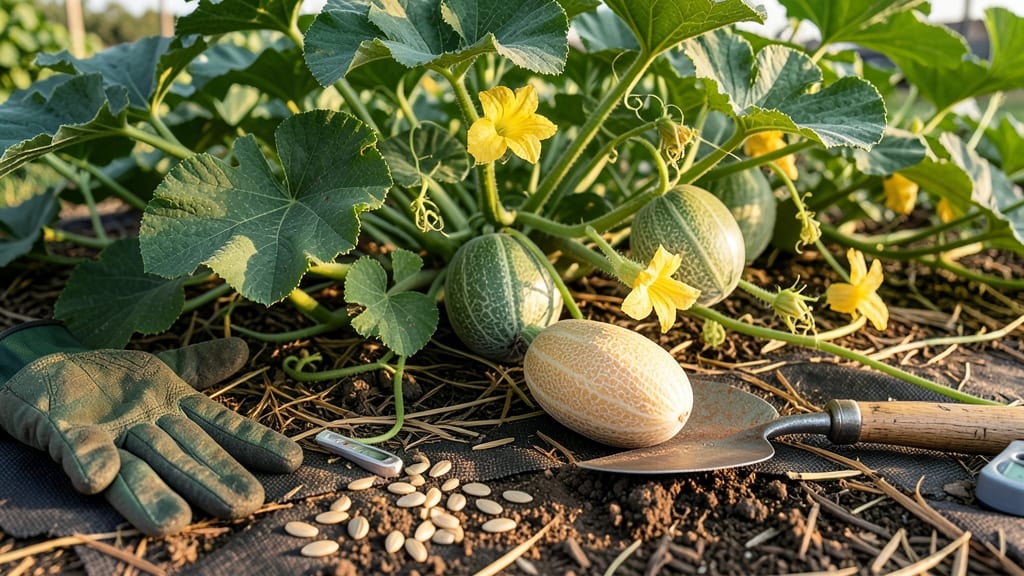
Timing your cantaloupe 🍈 planting in Florida isn’t just about throwing seeds into the dirt—it’s the difference between sweet, juicy harvests and bitter disappointment. With the state’s unique climate zones and year-round warmth, knowing the exact months to plant can make or break your garden.
Most gardeners in Florida’s 9a-11 zones swear by two key windows: late winter for a spring crop or mid-summer for a fall harvest. But here’s the catch—planting too early risks stunted growth from lingering cool spells, while waiting too long means your melons won’t mature before the heat peaks.
I’ll break down the perfect planting schedule so you can avoid these common mistakes.
What you’ll discover is that soil temperature matters just as much as the calendar. Cantaloupes need warmth to germinate, and Florida’s unpredictable summer storms can throw off even the best-laid plans. Let’s dive into the heat-tolerant varieties and precise steps to ensure your cantaloupe thrives—no guesswork required.
Whether you’re a seasoned gardener or just starting, these insights will help you grow cantaloupes that rival the ones at the grocery store. Ready to turn your Florida garden into a cantaloupe paradise? Let’s get started.
Best planting months for cantaloupe in Florida’s climate zones
Florida’s three distinct climate zones mean cantaloupe planting windows vary dramatically. Unlike northern states, Florida’s frost-free year-round growing season gives you two prime planting opportunities—spring and fall—but timing is everything to avoid bitter fruit or poor yields.
Let’s break down the exact months for each zone, including soil temperature requirements and regional heat considerations.
Cantaloupes thrive in warm soil (at least 70°F) and struggle when temperatures dip below 55°F. Florida’s North Zone (9a-9b) has the coolest winters, while South Florida (10a-11) can plant nearly year-round. Central Florida (9b-10a) offers the sweet spot with two reliable planting windows per year.
Here’s the golden rule: Plant cantaloupe in Florida when daytime highs consistently reach 75°F+ and nights stay above 60°F. This ensures fast germination and sweet fruit development. Let’s dive into the zone-specific breakdown.
| Zone & Location | Best Planting Window | Soil Temp Requirement | Harvest Window | Key Considerations |
|---|---|---|---|---|
| North Florida (Jacksonville, Gainesville, Tallahassee) - USDA 9a-9b | Mid-March to early April (spring) or late July to early August (fall) | 70°F+ (use black plastic mulch to warm soil faster) | May-June (spring) or October-November (fall) | Avoid planting before March 15—cooler nights slow growth. Use row covers for early starts. |
| Central Florida (Orlando, Tampa, Ocala) - USDA 9b-10a | Late February to March (spring) or early August (fall) | 70°F+ (soil warms quickly in spring) | April-May (spring) or September-October (fall) | Central Florida’s humidity increases fungal risks—space plants 3-4 feet apart for airflow. |
| South Florida (Miami, Fort Lauderdale, Key West) - USDA 10a-11 | January-February (spring) or September (fall) | 65°F+ (warmer winters allow earlier starts) | March-April (spring) or October-November (fall) | South Florida’s hurricane season (June-Nov) may delay fall harvests—choose fast-maturing varieties. |
For North Florida gardeners, the spring window (March-April) is critical—planting too early risks slow germination and poor fruit sweetness. Use black plastic mulch to raise soil temperatures 5-10°F faster and speed up growth.
In Central Florida, you can push the envelope slightly earlier (late February) because the soil warms quickly with 8+ hours of sunshine daily.
South Florida’s warmer winters let you plant as early as January, but beware of overly humid conditions that invite powdery mildew. If you’re in Zone 10b-11, consider two small plantings: one in January for spring harvests and another in September for fall fruit.
This extends your harvest window by 6-8 weeks.
Pro tip: Check your local Florida Automated Weather Network (FAWN) station for real-time soil temps. Aim for consistent 70°F+ readings before planting—this is your green light for success. In North Florida, wait until April 1 if your soil hasn’t warmed enough by mid-March.
Timing isn’t just about months—it’s about heat accumulation. Cantaloupes need 1,200-1,500 growing degree days (GDD) to mature. Use this GDD calculator to fine-tune your planting date based on your exact location.
For example, Tallahassee (Zone 9a) accumulates GDDs slower than Miami (Zone 11), so plant 2-3 weeks later in the Panhandle.
Finally, avoid planting in peak summer heat (May-July) unless you’re in South Florida. Temperatures above 95°F can cause blossom drop and poor pollination. Instead, focus on July-August for fall crops or February-March for spring—these windows balance heat and humidity for optimal growth.
Best planting months for cantaloupe in Florida’s climate zones
Florida’s climate zones—from the coolest North Florida to the tropical South—create distinct windows for planting cantaloupe. Unlike northern states, Florida gardeners can grow cantaloupe year-round, but timing is everything to avoid heat stress or poor germination. The key? Plant when soil temperatures consistently hit 70°F+.
For most of Florida, this means two ideal planting periods: late winter (February-March) for a spring harvest and mid-summer (July-August) for a fall crop.
In North Florida (zones 8a-9a), you’ll want to wait until after the last cool snap, typically around mid-March, while South Florida (zones 10a-11) can start as early as January for a spring crop.
Here’s the breakdown by zone to ensure you’re planting at the perfect time for your location:
| Zone | Best Planting Window | Soil Temp Requirement | Expected Harvest |
|---|---|---|---|
| North Florida (8a-9a) | Mid-March to early April | 70°F+ (consistent) | May to early June |
| Central Florida (9b-10a) | February to March or July to August | 70°F+ (consistent) | April-May or September-October |
| South Florida (10b-11) | January-February or July-August | 70°F+ (consistent) | March-April or September-November |
If you’re planting for a fall harvest, aim for July-August in all zones. This gives your cantaloupes enough time to mature before Florida’s hurricane season or fall rains interfere. Pro tip: Use a soil thermometer to confirm warmth—cantaloupe seeds won’t sprout in cool soil, no matter the calendar date.
For gardeners in Central Florida, you’ve got flexibility. You can even try a winter crop in protected areas (like greenhouses) if you’re up for the challenge. Just remember: cantaloupes are heat-loving plants, so they’ll struggle if temperatures dip below 60°F at night.
Timing isn’t just about the month—it’s about weather patterns, too. Keep an eye on Florida’s hurricane forecasts if planting in late summer, as heavy rains can lead to blossom-end rot or fungal diseases. With the right timing, you’ll be feasting on homegrown cantaloupe in no time! 🌱