
Plants
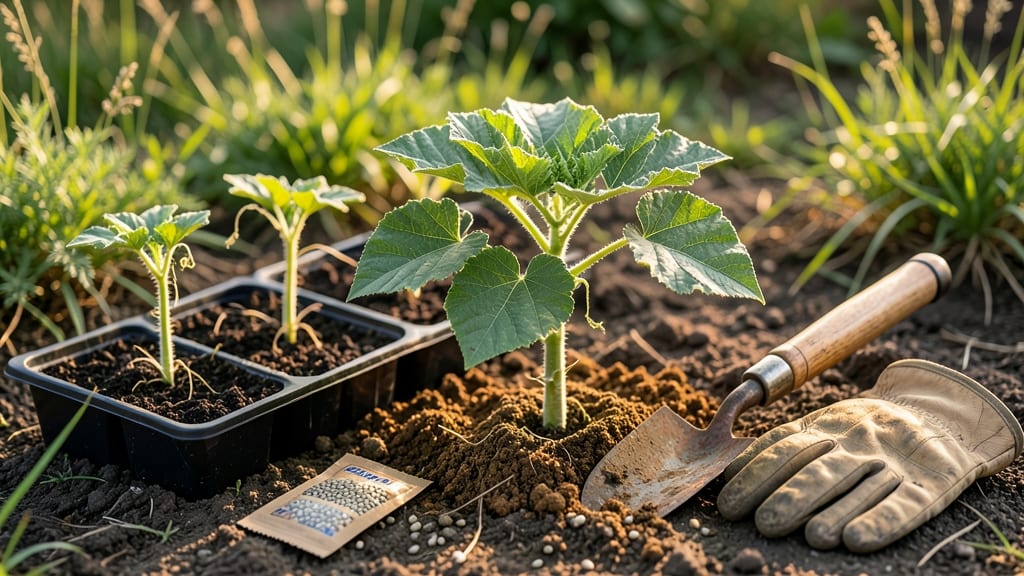
Planting cantaloupe seeds in Texas at the wrong time can mean the difference between a bountiful harvest and wasted effort. Whether you're in frost-prone North Texas or balmy South Texas, getting the timing right is the key to avoiding heat stress or early frost damage.
With Texas' 8a-10b climate zones, your planting window varies dramatically—from February in South Texas to mid-April in North Texas. The goal? Wait until soil temperatures hit 70°F (21°C) and all frost risk has passed, because cantaloupes (🍈) are heat-lovers that need warmth to thrive.
I’ll break down the exact planting dates for your region, plus pro tips to maximize success—like using black plastic mulch to warm soil faster and choosing heat-resistant varieties that won’t wilt under Texas summers.
Ready to grow sweet, juicy cantaloupes? Let’s dive into the most important steps to ensure your seeds sprout strong and your vines produce like crazy.
Best planting windows for cantaloupe seeds in Texas by region
Texas’ diverse climate means cantaloupe planting times vary dramatically from North Texas to South Texas. In North Texas (USDA Zones 7b-8a), where last frost dates average February 15, wait until mid-April to plant seeds directly in the ground. The soil must reach 70°F (21°C) for consistent germination.
For Central Texas (Zones 8a-8b), like Austin and San Antonio, early March to mid-April is ideal. This region’s warmer winters allow slightly earlier starts, but avoid planting before March 1 unless using row covers to protect tender seedlings.
In South Texas (Zones 9a-10b), where last frosts rarely occur after January 1, you can plant as early as February. By early March, soil temperatures reliably stay above 70°F, speeding up vine growth and fruit development.
🌱
| Region | USDA Zone | Last Frost Date | Best Planting Window | Soil Temp Requirement |
|---|---|---|---|---|
| North Texas | 7b-8a | February 15 | Mid-April to early May | 70°F (21°C) |
| Central Texas | 8a-8b | February 1 | Early March to mid-April | 70°F (21°C) |
| South Texas | 9a-10b | January 1 | February to early March | 65°F (18°C) |
🌱 Note: Use black plastic mulch to warm soil faster in cooler regions.
If you’re transplanting seedlings instead of direct sowing, start them indoors 4-6 weeks before your region’s last frost date. For North Texas, this means early March; for South Texas, late January. Harden off seedlings for 7-10 days before transplanting to avoid shock.
For extended harvests, consider succession planting in South Texas. After your first planting in February, sow a second batch in early April to enjoy melons through September. In cooler regions, focus on one main planting and prioritize heat-resistant varieties.
Always monitor soil temperature with a thermometer—cantaloupe seeds won’t germinate below 60°F (15°C), and growth stalls under 65°F (18°C). Use black plastic mulch or clear plastic tunnels to accelerate warming in North and Central Texas.
🌡️
Pro tip: In North Texas, plant near windbreaks or use trellises to protect vines from strong spring winds, which can damage young plants. In South Texas, prioritize shade cloth during peak summer heat to prevent fruit sunscald.
Best planting windows for cantaloupe seeds in Texas by region
Texas’ diverse climate zones mean your cantaloupe planting window depends heavily on where you live. In North Texas (USDA zones 7b-8a), like Dallas or Fort Worth, aim for mid-April to early May after the last frost—typically around April 15.
Central Texas (zones 8a-8b), including Austin, can start slightly earlier, around late March to mid-April.
For South Texas (zones 9a-10b), like Houston or San Antonio, you’re in luck—you can plant as early as late February to early March. The key is waiting until soil temperatures hit 70°F (21°C) and all frost risk has passed.
Use a soil thermometer to check—cantaloupes won’t germinate in cold soil.
Here’s the breakdown for direct sowing vs. transplanting. In North and Central Texas, I recommend direct sowing after your last frost date. For South Texas, you can start seeds indoors 4-6 weeks before your target outdoor date to give them a head start.
| Region | Last Frost Date | Best Planting Window | Soil Temp Requirement | Notes |
|---|---|---|---|---|
| North Texas (Dallas, Fort Worth) | Mid-April | Mid-April to Early May | 70°F+ (21°C+) | Use black plastic mulch to warm soil faster. |
| Central Texas (Austin, Waco) | Late March | Late March to Mid-April | 70°F+ (21°C+) | Direct sow after last frost; avoid transplant shock. |
| South Texas (Houston, San Antonio) | Early March | Late February to Early March | 65°F+ (18°C+) | Start indoors 4-6 weeks before transplanting. |
If you’re in a transition zone, like East Texas or the Hill Country, err on the side of caution. Plant after May 1 to avoid late spring frosts, which can devastate young seedlings. I’ve seen gardeners in these areas lose entire crops by planting too early—don’t make that mistake!
For container growing, start seeds indoors in biodegradable pots 3-4 weeks before your region’s last frost. This gives you flexibility to move containers to a sunny spot once the weather warms up. Just ensure your containers are at least 12 inches deep to accommodate sprawling vines.
Pro tip: Mark your calendar for June 1 as your last chance to plant cantaloupes in most of Texas. After that, the intense summer heat can stress seedlings, and yields may suffer. Instead, focus on succession planting for smaller harvests throughout the season.