
Plants
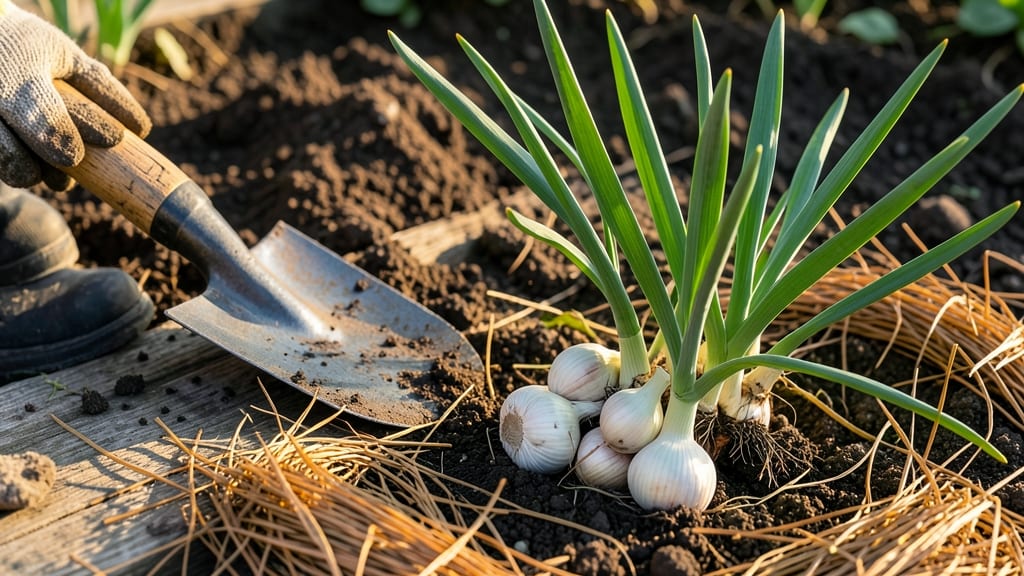
If you’ve ever tried growing garlic 🧄 in South Florida only to watch it bolt into flower before forming bulbs, you’re not alone—this tropical climate throws a wrench into traditional planting timelines.
The key to success isn’t following the same rules as northern growers; it’s mastering the exact months when soil temps and daylight align to prevent bolting while still yielding flavorful harvests.
Most gardeners assume garlic needs cold winters to store energy, but South Florida’s 10b-11 zone flips the script. Planting 🧄 in the fall (October–November) or early winter (January–February) gives you the best shot at avoiding heat stress while letting bulbs mature before the summer’s relentless sun.
This isn’t just about timing—it’s about outsmarting the heat with the right varieties and soil prep.
I’ll walk you through the heat-tolerant garlic varieties that thrive here, how to prep your soil for maximum bulb development, and the microclimate tricks (like shade cloth and mulching) that keep your crop from turning into a sad, flowery disappointment.
No more guessing—just a foolproof plan for bold, flavorful garlic that’s ready to harvest in April or May.
Ready to ditch the bolting blues? Let’s break down the perfect planting window, the tools you’ll need, and the step-by-step approach that’s worked for Florida gardeners—so you can finally grow garlic that’s worth bragging about.
Best planting months for South Florida garlic: avoiding bolting in the heat
South Florida’s warm winters and humid summers create a unique challenge for garlic growers. Unlike northern climates, garlic here doesn’t need cold dormancy—but it hates heat stress, which triggers bolting (premature flowering).
The key is planting when soil temps stay below 75°F and days are shorter, giving bulbs time to mature before summer’s intensity peaks.
Most gardeners in USDA Zones 10b-11 aim for two planting windows: fall (October–November) and winter (January–February). Fall-planted garlic often yields larger bulbs because it avoids the worst summer heat, while winter plantings benefit from cooler temperatures but require faster growth to escape spring warmth.
Let’s break down the exact timing and microclimate adjustments for your region.
🌱 South Florida Garlic Planting Timeline
| Planting Window | Ideal Soil Temp | Microclimate Notes | Harvest Window |
|---|---|---|---|
| October–November | 65–75°F | Best for Miami/Keys (cooler coastal areas). Use shade cloth if temps rise above 80°F. | April–May |
| January–February | 60–70°F | Ideal for Orlando/Lakeland (warmer inland areas). Plant Artichoke varieties for faster growth. | May–June |
| September (late) | 70–78°F | Risky for Naples/Ft. Myers. Only attempt with shade cloth and drip irrigation. | June–July |
For Miami and coastal areas, aim for October 1–November 15 to catch the dry season and avoid fungal issues from summer humidity. Inland regions like Orlando or Tampa can push planting to January 10–February 20, but monitor soil temps—garlic cloves won’t sprout well above 75°F.
Use a soil thermometer to confirm conditions before planting.
One common mistake? Planting too early in September. While the weather might feel mild, soil temps can still hover near 80°F, causing cloves to rot before sprouting.
If you’re eager to start, stratify your cloves (chill them for 4–6 weeks in the fridge) to mimic winter dormancy and jumpstart growth when you plant in late October.
Pro tip: Adjust for microclimates. A garden in Key West might thrive with November planting, while a backyard in Palm Beach Gardens could handle January starts thanks to cooler nights. Observe your area’s heat islands—concrete-heavy zones stay warmer longer, so plant later in those spots.
Once planted, mulch heavily with straw or wood chips to keep soil temps stable. This is especially critical in South Florida’s sandy soils, which heat up quickly. A 3–4 inch mulch layer can drop soil temps by 10°F during peak afternoon heat, making a huge difference in bulb development.
Watch for bolting signs like tall stems or flower stalks—this usually means your garlic experienced heat stress or daylength shock. If you see scapes (the curly garlic stalks), snip them off immediately to redirect energy to bulb growth.
In South Florida, bolting often starts in March, so plan to harvest by April 15 to avoid wasted effort.
Finally, rotate planting locations yearly to prevent soil-borne diseases like white rot, which thrives in South Florida’s humidity. Garlic is a heavy feeder, so amend beds with composted manure or well-rotted leaf mold before planting.
This ensures your bulbs get the phosphorus and potassium they need to mature quickly in the short growing window.
With the right timing and a few heat-smart adjustments, you’ll harvest plump, flavorful garlic bulbs—not the tiny, pungent nubs you’d get from bolting plants. The secret? Plant cool, grow fast, and harvest early before the summer sun takes over.
Best planting months for South Florida garlic: avoiding bolting in the heat
South Florida’s 10b-11 hardiness zone means no frost to trigger garlic dormancy, so traditional winter planting won’t work. Instead, focus on two critical windows: late fall (October–November) and early winter (January–February).
These months offer cooler soil temps (60–75°F), which slow bolting while allowing bulb development before summer heat peaks.
The October–November window gives your garlic 5–6 months of growth before summer stress, while January–February plantings have 3–4 months to mature. Both avoid the heat spikes above 85°F that trigger bolting. Microclimates matter too—Miami’s coastal breezes may extend your window slightly, while Orlando’s inland heat demands earlier planting.
🚨 Key soil temp rule: Plant only when soil temps stay below 75°F at 4-inch depth. Use a soil thermometer to check—this is your best defense against bolting. In South Florida, this usually means late afternoon planting to avoid daytime heat stress.
For September plantings, choose bolt-resistant varieties like Creole and use 30% shade cloth to keep soil temps down. Avoid planting after mid-February—summer’s relentless sun will turn your garlic into a flowering disaster before bulbs develop.
Even with perfect timing, mulching with straw (3–4 inches deep) is non-negotiable to insulate roots from heat spikes.
Pro tip: Test your soil’s pH before planting—garlic thrives in 6.0–7.0 range. South Florida’s sandy soils often need compost or aged manure to retain moisture and nutrients. Amend beds with 2–3 inches of organic matter at least 2 weeks before planting to give roots a head start.
Timing isn’t just about months—it’s about daylength too. South Florida’s 11-hour daylight in summer triggers bolting, but shorter days in fall/winter signal bulb formation. Plant individual cloves (not whole bulbs) 2 inches deep, 4–6 inches apart in well-draining soil with partial sun (4–6 hours daily).
This balance is your ticket to bold, flavorful garlic without the bolting blues.