
Plants
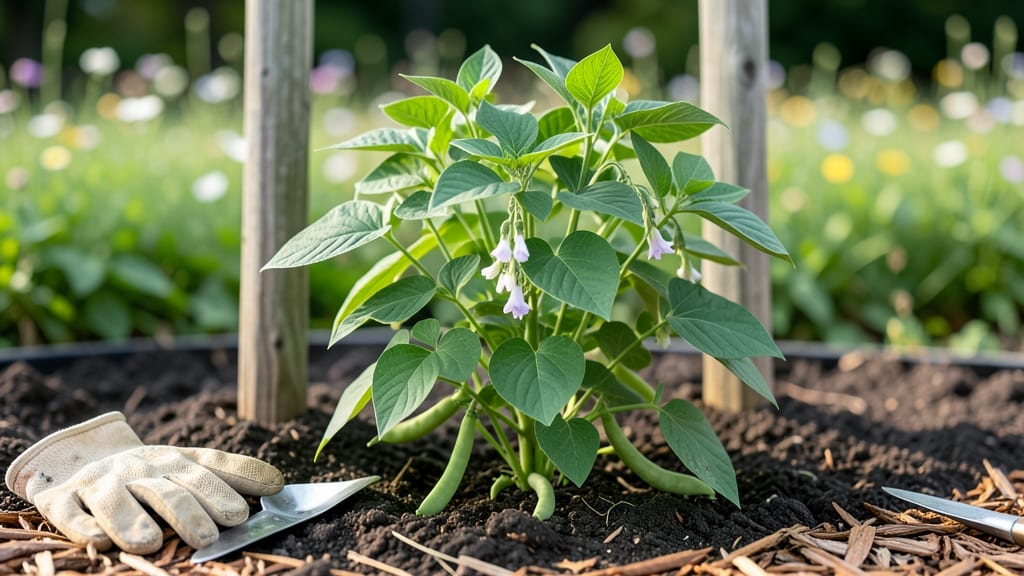
Planting green beans in Oklahoma at the wrong time can mean the difference between a bountiful harvest and lost seeds to frost. With Oklahoma's Zone 6b-8a climate, timing is everything—whether you're growing bush beans or climbing varieties.
The key window opens in mid-April, but late frosts can still sneak in, so knowing your last frost date is critical.
Most gardeners in Oklahoma plant their 🌱 green beans twice a year: once in spring (mid-April to early June) and again in fall (late July to early August).
This two-season strategy ensures fresh pods from June through October. But here's the catch—soil temperature must reach at least 60°F before seeds sprout reliably.
If you're new to growing green beans, don't worry—this guide covers everything from direct sowing to transplanting starter plants. We'll also walk through how to adjust for Oklahoma's unpredictable weather, so you can avoid common mistakes that lead to poor yields.
Ready to grow a garden full of crisp, flavorful beans?
By the end, you'll know exactly when to plant for maximum success, which varieties thrive in Oklahoma's heat, and how to extend your harvest season. Let's get those seeds in the ground at the perfect time!
Oklahoma green bean planting deadlines by variety type (Zone 7b guide)
Timing your green bean planting in Oklahoma’s Zone 7b is critical—miss the window, and you risk frost damage or stunted growth.
Since green beans are frost-sensitive but also heat-tolerant, we’ll break down the best planting times for both bush beans and pole beans, plus how to extend your harvest season.
For spring planting, aim for mid-April to early June, while fall planting should happen between late July and early August.
These deadlines align with Oklahoma’s typical last frost date (March 15) and first frost date (November 15), giving your beans 90–120 days to mature before cold weather arrives.
Here’s a quick breakdown of what you need to know before grabbing your seeds:
| Variety Type | Ideal Planting Window | Days to Maturity | Key Notes |
|---|---|---|---|
| Bush Beans | Mid-April to May 15 | 50–60 days | Compact, direct-sow only; harvest all at once. |
| Pole Beans | Late April to June 1 | 60–70 days | Tall, requires trellis; extended harvest. |
| Fall Planting (Both) | Late July to August 1 | 50–60 days | Use heat-tolerant varieties; harvest before frost. |
Bush beans are the fastest producers, maturing in just 50–60 days, making them ideal for early spring or late summer plantings.
They’re perfect if you want a quick harvest but don’t need an extended supply. Pole beans, on the other hand, take slightly longer (60–70 days) but reward you with a prolonged harvest—ideal if you’re planning to dry or freeze your beans for winter.
For fall plantings, stick to heat-tolerant varieties like ‘Contender’ or ‘Blue Lake.’ These can handle Oklahoma’s summer heat before the first frost hits in mid-November. Plant them 8–10 weeks before your expected frost date to ensure they mature in time.
Pro tip: Use a soil thermometer to confirm the ground is at least 60°F before planting—cold soil can delay germination. If you’re unsure about your last frost date, check the Oklahoma Mesonet or local extension office for updates.
One common mistake I see is planting too early in March or early April. While the air may feel warm, the soil stays too cold for germination, and seedlings can rot. Wait until the soil warms up and nighttime temperatures stay above 50°F consistently.
If you’re eager to start early, consider starter plants from a nursery. They’ll give you a 2–3 week head start over direct-sown seeds, but ensure they’re hardened off before transplanting.
For direct sowing, scatter seeds 1 inch deep and 3–4 inches apart for bush beans or 4–6 inches apart for pole beans.
For a continuous harvest, succession plant bush beans every 2 weeks from April through June. This ensures you’re never without fresh beans all summer long. And don’t forget: green beans hate soggy soil, so always plant in well-draining areas with full sun exposure.
How to adjust planting dates for Oklahoma’s unpredictable weather patterns
Oklahoma’s weather can be as unpredictable as a summer storm, making planting green beans a bit of a gamble if you don’t adjust your timeline. Late frosts in April or sudden heatwaves in May can derail even the best-laid plans.
The key is flexibility—knowing how to read your soil and track local forecasts to avoid common pitfalls.
Most gardeners in Zone 7b start seeds indoors 2-3 weeks before the last frost date (around March 15), but if your area gets hit with a late freeze, those seedlings could become casualties.
For direct sowing, wait until the soil temperature consistently stays above 60°F—a soil thermometer is your best friend here.
Here’s the tricky part: Oklahoma’s spring can swing from 30°F mornings to 90°F afternoons within weeks. If you plant too early, frost will kill tender seedlings. If you wait too long, the heat will stress them before they establish roots.
The solution? Use row covers or plant in successive batches every 2 weeks for a staggered harvest.
For fall plantings, aim for late July to early August—this gives beans time to mature before the first frost (usually around November 15). But if summer heat lingers, opt for heat-tolerant varieties like ‘Blue Lake’ or ‘Contender’ to avoid wilting vines.
Pro tip: Check the National Weather Service or local Cooperative Extension Service for your specific county’s frost dates. Oklahoma City’s last frost might differ by weeks from Tulsa’s, so don’t rely on generic Zone 7b guidelines.
A 10-day forecast can also help you time your planting to avoid rain-soaked soil or extreme heat.
If you’re worried about missing the window, consider container gardening. Pots warm up faster in spring and can be moved to shade during heatwaves. Just ensure they have drainage—green beans hate soggy roots.
Remember, even the most experienced gardeners in Oklahoma adjust their planting dates yearly. The goal isn’t perfection; it’s adaptability. With these tweaks, you’ll turn Oklahoma’s weather quirks into opportunities for a longer harvest season.
Watch for Oklahoma’s "False Springs"
Don’t be fooled by warm spells in March or early April—Oklahoma is famous for late frosts that can hit as late as May 1. If you see your seedlings peeking above ground during a warm spell, cover them with frost cloth or a lightweight blanket until temperatures stabilize.
💡 Action Step: Use a minimum-maximum thermometer to track nighttime lows. If temps drop below 40°F, protect your plants immediately.
Another smart move is to plant bush beans (like ‘Blue Lake’) in early spring and pole beans (like ‘Kentucky Wonder’) in late spring. Bush beans mature faster and can handle cooler soil, while pole beans thrive in the heat and give you a longer harvest.
This two-pronged approach spreads out your risk and your rewards.
Finally, if you’re new to Oklahoma gardening, start small. Test a few rows of ‘Provider’ or ‘Tendergreen’ beans—they’re forgiving varieties that perform well even with slight timing mistakes.
Once you’ve mastered the basics, you can experiment with heirlooms and heat-lovers like ‘Rattlesnake’ beans, which handle Oklahoma’s summer heat like a champ.
With these adjustments, you’ll turn Oklahoma’s weather from a hurdle into a harvest bonus. Happy planting!