
Companion Plants
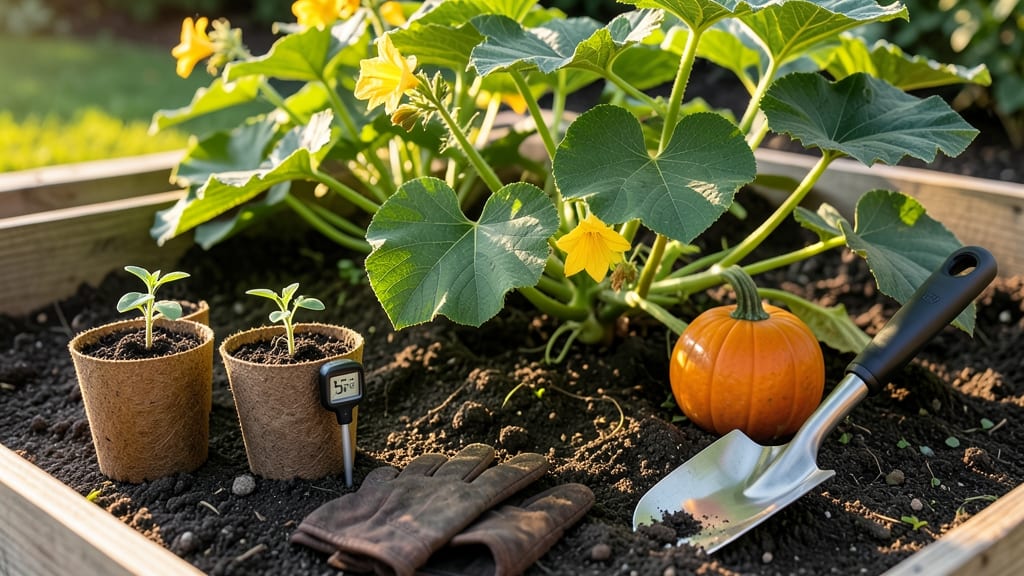
If you’ve ever dreamed of growing your own 🎃 pumpkins in Michigan, when should I plant pumpkins in the garden is the first question you’ll need to answer—and getting it wrong could mean watching your seeds rot in cold soil instead of thriving into a harvest-worthy vine.
The key to success lies in waiting for that perfect window when the soil warms up and the last frost has finally passed, typically between late April and early June.
Michigan’s 5b-6b climate zones add another layer of challenge, where a late spring frost can still sneak in even after you’ve planted. But don’t worry—with the right strategies, you can outsmart Mother Nature and give your pumpkins the head start they need.
Whether you’re a first-time gardener or a seasoned pro, knowing when to plant is the first step toward a bountiful fall harvest.
In this guide, I’ll break down exactly when to plant your pumpkin seeds—whether you’re starting them indoors or sowing directly into the garden—plus how to prepare your soil for maximum growth.
You’ll also learn how to spot common mistakes (like planting too early) and adjust your timeline to match Michigan’s unpredictable weather patterns.
By the end, you’ll have a clear, actionable plan to turn your garden into a pumpkin patch, complete with tips on spacing, companion plants, and even backup dates if the weather throws you a curveball. Let’s get those vines growing!
Michigan’s ideal pumpkin planting window: frost dates & soil temperature rules
Timing your pumpkin planting in Michigan isn’t just about the calendar—it’s about soil warmth and frost-free windows. Pumpkin seeds need soil temperatures of 70°F+ to germinate, and Michigan’s last spring frost can vary by 1-2 weeks between the Upper and Lower Peninsulas.
For most of Michigan (USDA Zones 5b-6b), aim for planting between late April and early June, but always verify local frost dates.
Your first step is checking your average last frost date. The Lower Peninsula typically sees its last frost around May 15, while the Upper Peninsula can linger until May 25.
Use the Michigan State University Extension frost maps or call your local cooperative extension office for precise data. Planting too early risks cold soil and seed rot, while waiting too long shortens your growing season.
Pumpkins thrive with 150-180 frost-free days, so count backward from your first fall frost (usually mid-October to early November). This gives you a clear window to plant 4-5 months before frost.
For example, if your first frost is October 15, plant by June 1 to ensure a full harvest.
Soil temperature is just as critical as air temperature. Use a soil thermometer to confirm your garden beds have reached at least 60°F before planting. In cooler Michigan springs, consider black plastic mulch or row covers to warm the soil faster.
These tricks can shave 1-2 weeks off your planting timeline.
Michigan’s climate also demands variety selection based on your region. Shorter-season varieties like ‘Howden’ (75 days) or ‘Small Sugar’ (80 days) work well in the Upper Peninsula, while longer-season types like ‘Jack Be Little’ (90 days) suit the Lower Peninsula.
Always check the days to maturity on seed packets to match your frost-free window.
Don’t overlook microclimates in your garden. South-facing beds warm up faster, while north-facing areas may stay cool longer. If your yard has shady spots, opt for bush varieties like ‘Waltham Butternut’ instead of sprawling vines. These adapt better to partial shade and still produce edible pumpkins.
Here’s a quick soil readiness
Step-by-step pumpkin planting timeline for Michigan gardens (with backup dates)
Now that you understand Michigan’s frost-free window, let’s dive into the exact planting timeline for pumpkins. Since Michigan’s USDA zones 5b-6b offer a 150-180 day frost-free season, timing is everything to ensure your pumpkins mature before the first frost.
The best time to plant pumpkins in Michigan is typically between late April and early June, but this varies based on whether you’re starting seeds indoors or sowing directly into the garden.
For direct sowing (planting seeds straight into the garden), wait until after the last spring frost—usually mid-May in most of Michigan. However, if you’re in the Upper Peninsula, you may need to wait until early June.
Use a soil thermometer to confirm the soil has reached at least 60°F, which is critical for germination.
📅 Step-by-Step Pumpkin Planting Timeline for Michigan
- Late April - Early May: Start seeds indoors (6-8 weeks before last frost) if using transplants. Use seed-starting mix and keep soil warm (70-80°F).
- Mid-May (Lower Peninsula) / Early June (Upper Peninsula): Harden off seedlings (acclimate to outdoor temps) for 7-10 days before transplanting.
- Late May - Early June: Direct sow seeds into the garden after soil warms to 60°F+. Plant 1 inch deep, 2-3 feet apart in hills.
- June - July: Thin seedlings to 1-2 per hill, ensuring proper spacing (vines need room to spread). Monitor for pests like squash bugs.
- July - August: Fertilize with 10-10-10 when vines are 12 inches tall and again when flowers appear. Water deeply in the morning.
- September: Harvest pumpkins before the first frost (typically by mid-October). Look for hard rinds and dried stems.
💡 Pro Tip: For shorter seasons, choose ‘Howden’ or ‘Jack Be Little’—both mature in 75-90 days.
If you’re planting transplants (seedlings), start seeds indoors 6-8 weeks before your last frost date. This means beginning in late April for most of Michigan. Use biodegradable pots to avoid disturbing roots when transplanting outdoors. Once seedlings are 2-3 inches tall with true leaves, they’re ready to move outside.
For those in Zone 5b (northern Michigan), consider using black plastic mulch to warm the soil faster and extend the growing season. This can push your planting window back by 1-2 weeks, giving your pumpkins more time to mature.
Always check your local Michigan State University Extension frost date maps for the most accurate timeline.
Remember, pumpkins need 90-120 days to mature, so if you plant too late, your harvest could be at risk. Use the backup dates of early June for direct sowing if spring is slow to warm up.
With this timeline, you’ll maximize your chances of a bountiful pumpkin harvest before Michigan’s first frost.