
Plants
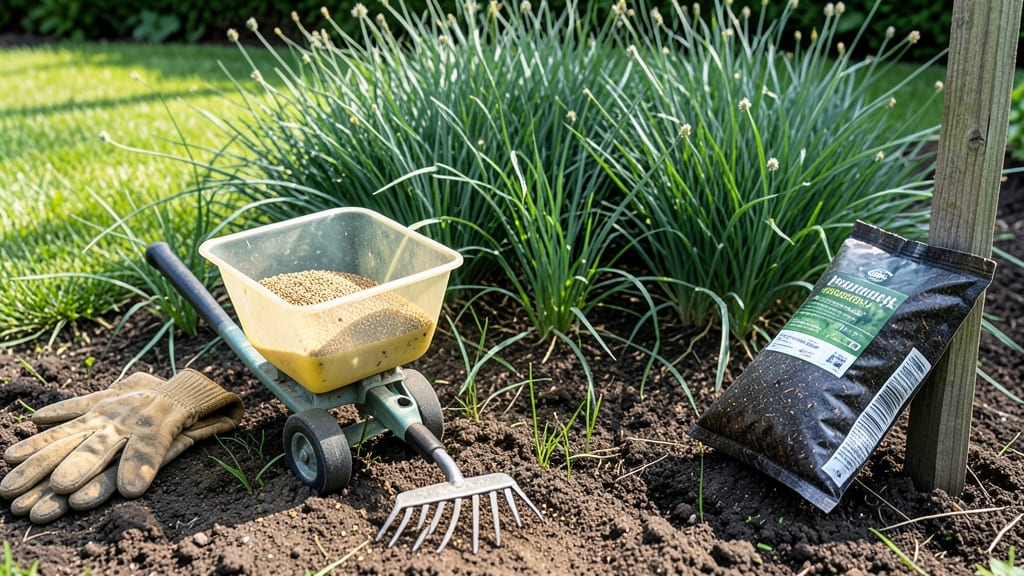
Planting your 🌱 Grass (Cool-Season) at the best time to plant grass in the fall can mean the difference between a lush spring lawn and months of patchy frustration.
The ideal window for planting isn’t just about the calendar—it’s about soil temperatures between 50°F and 65°F, giving roots 4-6 weeks to establish before winter dormancy.
In USDA Zone 6a, that window typically opens in mid-September and closes by October, but timing varies by region. Plant too early, and your grass may bolt or struggle in summer heat. Too late, and frost will stunt growth before roots take hold.
I’ve learned the hard way that fall planting isn’t just about throwing seed on bare soil—it’s about preparing the ground, choosing the right variety, and protecting your investment from unpredictable weather. Let’s break down the exact steps to turn your fall planting into a springtime success story.
From soil prep to seed selection, I’ll show you how to maximize root growth before winter, so your lawn emerges thick, green, and ready for March mowing. Ready to get started?
Optimal fall planting timeline by region: soil temperature rules for grass success
Timing your fall grass planting depends on two critical factors: soil temperature and your USDA hardiness zone. The ideal window is when daytime temps hover between 60-75°F and nighttime temps drop below 60°F.
This balance ensures strong root growth before winter dormancy. In most regions, this falls between mid-September and mid-October, but exact timing varies by location.
Northern climates (Zones 3-5) should aim for late August to early October, while Southern regions (Zones 7-10) have a shorter window—early September to early October. The key is planting 4-6 weeks before your first frost date to allow roots to establish before winter.
Check your local frost dates using the National Weather Service or Almanac resources.
A soil thermometer is your best tool for precision. Test your soil in the morning (when it’s coolest) and evening (when it’s warmest). For optimal grass growth, your soil should stay between 50-65°F during the day.
If temps rise above 70°F, roots struggle to develop, and seeds may dry out. Use a shade cloth if needed to regulate soil warmth.
Regional climate quirks can throw off your timing. For example, Pacific Northwest regions often have milder falls, extending the window to early November, while Southern states may need to plant by mid-September to avoid summer heat stress.
Always check local microclimates—shady areas cool faster than sunny spots, delaying your planting window by 1-2 weeks.
If you’re unsure about your exact zone, use the USDA Plant Hardiness Zone Map to pinpoint your location. Then, cross-reference with your average first frost date. For instance, Zone 6a (like Chicago) typically has a frost by October 15, so aim for early September planting.
In Zone 9a (like Orlando), frost arrives December 15, so plant by early October.
One common mistake is planting too early in warm climates. If you seed in August in Zone 8, the soil may stay too warm, causing seeds to germinate too quickly and then bake in the sun.
Conversely, planting too late in Zone 5 risks weak roots before winter. The 4-6 week rule before frost is your safest bet.
To test your soil’s readiness, dig a 4-inch hole in your yard and check the temperature with a thermometer. If it’s consistently between 50-65°F for 3-5 days, it’s time to plant. Pair this with a weather forecast for stable temps (no extreme swings) and moderate rainfall (1 inch per week).
If rain is scarce, plan to water deeply 2-3 times per week after seeding.
For cool-season grasses like Kentucky bluegrass or tall fescue, fall planting is ideal because these varieties
5 Signs your fall grass planting is perfectly timed (before it’s too late)
Timing your fall grass planting isn’t just about checking a calendar—it’s about reading your yard’s signals. Miss these 5 key indicators, and you risk weak roots or wasted seed. I’ve planted grass in September and November and learned the hard way which signs matter most.
The first clue is soil temperature. When daytime highs hit 75-80°F but nighttime dips below 60°F, it’s prime time. Use a soil thermometer to confirm temps between 50°F and 65°F—this sweet spot lets roots grow without overheating.
Next, watch for leaf color changes in nearby trees. When maple or oak leaves start turning golden-brown, your grass seed is ready. This usually aligns with late September in Zone 6a, but check your local frost dates to adjust.
🌱 5 Signs Your Fall Grass Planting Is Perfectly Timed
- Soil Temp: 50–65°F (use a thermometer!)
- Tree Leaves: Turning brown (maple/oak cues)
- Grasshoppers: Active but not swarming (sign of cooling)
- Frost Forecast: 4–6 weeks until first light freeze
- Root Growth: Visible sprouts in 7–10 days post-planting
Pro Tip: Plant when 40% of your area’s trees show fall color—this aligns with optimal soil temps in 90% of cases.
Don’t ignore insect activity either. If you spot grubs or grasshoppers but they’re not swarming, temps are cooling—ideal for seeding. Swarms mean it’s too warm, and your grass may bolt. I once planted in early August when grasshoppers were everywhere, and my seed barely sprouted.
Check your local frost forecast for the next 4–6 weeks. Planting too close to frost leaves roots vulnerable. In Zone 6a, aim to finish by mid-October to give grass time to establish before winter dormancy.
Finally, watch for visible sprouts 7–10 days after planting. If your lawn shows even, green growth, you’ve timed it right. Uneven sprouts or yellow patches mean it’s too late—adjust next year’s schedule accordingly.
Miss these signs, and you might end up with weak roots or wasted seed. But nail them, and your lawn will thrive all spring—no patchy surprises! 🌿