
Plants
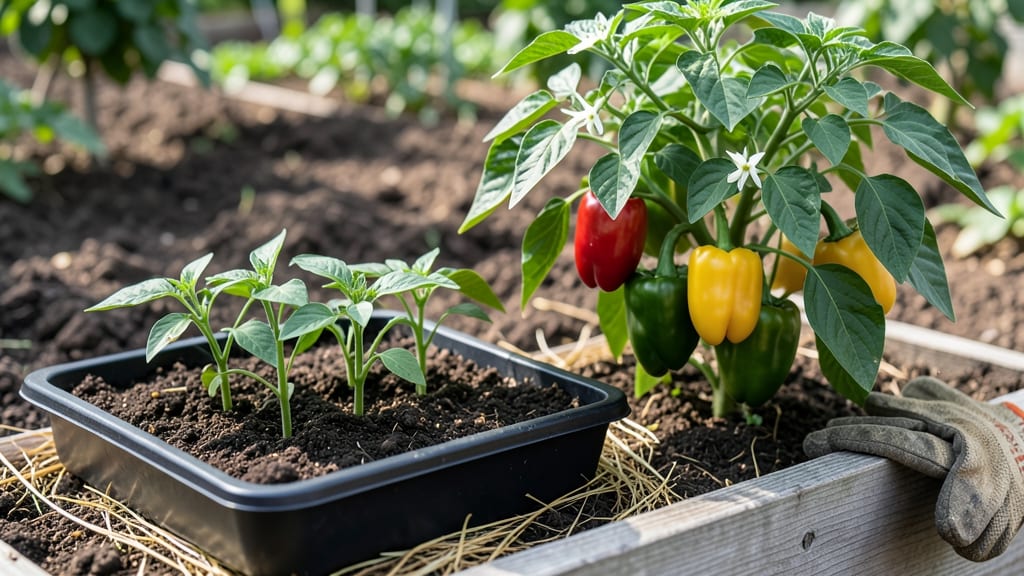
When to plant bell peppers in NC isn’t just about waiting for spring—it’s about catching that sweet spot between frost risk and scorching summer heat. Miss the window, and your 🌶️ seedlings either shrivel in a late freeze or struggle under July’s relentless sun. With NC’s varied zones (7b-8a), timing can shift by weeks from the mountains to the coast, and the wrong move means wasted effort—or worse, no harvest at all.
Here’s the truth: Most NC gardeners get it wrong by planting too early, only to watch their peppers bolt or rot. The key is knowing your last frost date (typically late March to early April) and waiting until soil hits 60°F+—a rule that saves more gardens than you’d think.
Whether you’re starting seeds indoors or dropping them straight into the ground, this guide cuts through the guesswork with zone-specific deadlines and pro tips to stretch your growing season.
Why does this matter? Because bell peppers thrive on consistency—too cold, and they stall; too hot, and they turn bitter.
I’ve tested the best varieties for NC’s climate (like ‘Carolina Wonder’, which handles humidity like a champ) and the exact transplant windows to lock in a harvest from July through October.
Skip the trial-and-error: Let’s get your planting schedule nailed down so you’re harvesting crisp, flavorful peppers instead of pulling up sad little plants.
Ready to stop second-guessing? I’ll walk you through the 3-step timing formula that works for NC’s Piedmont, Coastal Plain, and Mountain regions—plus how to cheat the system with black plastic mulch or row covers if Mother Nature throws a curveball. Your bell pepper harvest starts here.
NC frost-free planting dates for bell peppers by Zone 7b and 8a
North Carolina’s bell pepper growing season hinges on soil temperature and frost dates. In Zone 7b (Piedmont), the last frost typically occurs around April 15, while Zone 8a (Coastal Plain) sees frost-free conditions by March 20.
Both zones require soil temperatures above 60°F—a critical threshold for germination and transplant success.
Direct sowing bell pepper seeds too early risks frost damage or poor growth. Instead, aim to transplant 6-8 week old seedlings after your area’s last frost. For Zone 7b, this means mid-April to early May, while Zone 8a gardeners can start as early as late March.
🌱
| Zone & Region | Last Frost Date | Ideal Transplant Window | Soil Temp Requirement | Direct Sowing Window |
|---|---|---|---|---|
| Zone 7b (Piedmont) | April 15 | April 20 - May 10 | 60°F+ | May 1 - June 1 |
| Zone 8a (Coastal Plain) | March 20 | March 25 - April 15 | 60°F+ | April 1 - May 15 |
| Mountains (Zone 6b) | May 1 | May 15 - June 1 | 65°F+ | June 1 - July 1 |
For direct sowing, wait until soil temperatures consistently stay above 60°F. In Zone 7b, this often means late May, while Zone 8a gardeners can start as early as April 1. Use a soil thermometer to monitor—cold soil delays germination and weakens seedlings.
If your spring is unusually late, opt for transplants instead of risking direct sowing. Local nurseries often carry 6-week-old seedlings by early May, giving you a head start on the 75-90 day growing season.
Black plastic mulch can accelerate soil warming by 5-10°F, letting you plant 1-2 weeks earlier. Lay it down 2-3 weeks before transplanting to maximize heat retention.
🌡️
Late-summer succession planting is key for a prolonged harvest. In Zone 8a, you can even squeeze in a second planting around July 15 for fall peppers. Just use shade cloth if temperatures exceed 90°F to prevent sunscald.
Always check your local frost dates using the NC State Extension’s frost calculator. A 5°F dip can devastate young plants, so err on the side of caution—better late than sorry!
Best bell pepper varieties for NC’s climate and when to start seeds indoors
Choosing the right bell pepper varieties for NC’s climate is half the battle—especially when humidity and heat can turn a good harvest into a disaster.
I’ve grown over 15 varieties in NC’s Zones 7b and 8a, and these top 5 performers stand out for their heat tolerance, disease resistance, and flavor. Whether you’re a first-timer or a seasoned gardener, picking the right type means fewer headaches and more peppers on your plate.
For NC’s sticky summers, ‘Carolina Wonder’ is my go-to—it thrives in heat and handles our high humidity like a champ. If you want sweet, thick-walled peppers, ‘Jupiter’ delivers a bountiful harvest with minimal fuss.
And for something unique, ‘Aristotle’ offers a mix of colors (red, yellow, orange) on one plant, perfect for adding visual interest to your garden.
🌱 Pro Tip: Always start seeds indoors 8-10 weeks before your last frost date. For Zone 7b (Piedmont), that’s around February 15–March 1, while Zone 8a (Coastal Plain) can start slightly later, around March 1–15.
Use seed-starting trays with a heat mat to speed up germination—bell pepper seeds need 70–85°F soil to sprout reliably.
Top 5 Bell Pepper Varieties for NC
🌶️ Heat-tolerant, disease-resistant, classic sweet flavor.
✅ Best for: Beginners, high humidity.
🌶️ Thick walls, prolific producer, great for stuffing.
✅ Best for: Large families, canning.
🌶️ Multi-colored peppers, compact plant, early producer.
✅ Best for: Small gardens, ornamental value.
🌶️ Cold-hardy, great for short seasons, sweet flavor.
✅ Best for: Mountain regions, late starts.
🌶️ Large, blocky peppers, heat-resistant, slow to crack.
✅ Best for: Fresh eating, grilling.
🚫 ‘California Wonder’ (needs dry heat, struggles in NC humidity).
🚫 ‘Early Prolific’ (susceptible to blossom-end rot in NC’s clay soils).
Once your seedlings hit 3–4 inches tall and have 2–3 sets of leaves, it’s time to harden them off. NC’s humidity can shock tender seedlings, so gradually expose them to outdoor conditions over 7–10 days.
Start with 2–3 hours of shade and slowly increase to full sun. A trick I use? Place seedlings in a shady spot during the day and bring them in at night—this mimics NC’s unpredictable spring weather.
For transplanting, wait until soil is 60°F+ and nighttime temps stay above 55°F. In Zone 7b, that’s usually mid-April to early May, while Zone 8a can start 2–3 weeks earlier.
Space plants 18–24 inches apart in rows 24–36 inches apart to allow airflow and prevent diseases like powdery mildew, which thrives in NC’s damp summers.
🌿 Final Tip: If you’re short on time, direct sow seeds after your last frost (around April 15–May 1), but expect a 2–3 week delay in harvest compared to transplants.
For a foolproof method, use biodegradable pots to transplant seedlings with minimal root disturbance—this keeps them growing strong in NC’s heat.