
Plants
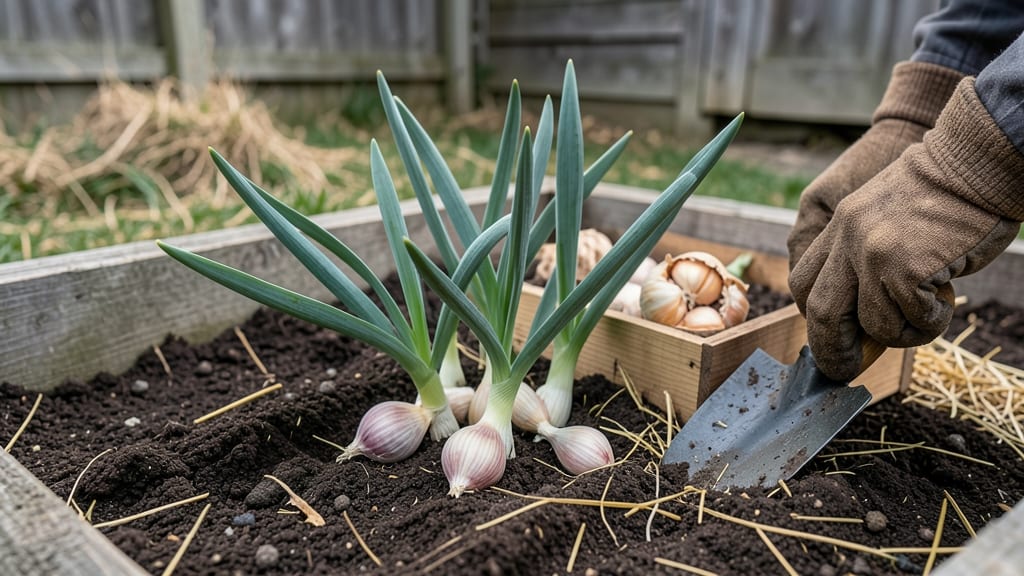
Timing your 🧄 garlic planting in North Carolina can make the difference between a thriving summer harvest and wasted cloves. The key window—October through November—gives the plant just enough chill to develop strong bulbs before winter sets in, but getting it wrong means bolting or weak growth.
If you’ve ever planted garlic too late and watched it bolt prematurely, you know how frustrating it can be. The good news? North Carolina’s USDA Zones 6a-8b offer a flexible 6-week window to get it right, but missing the deadline by even a few weeks can ruin your harvest.
In this guide, I’ll break down exactly when to plant hardneck and softneck varieties by region, plus soil prep tips to ensure zero-bolt success. Whether you’re in the Coastal Plain or the Mountains, these insights will help you time your planting perfectly.
Ready to grow plump, flavorful garlic bulbs? Let’s dive into the best planting strategies for your North Carolina garden.
North Carolina garlic planting deadlines by variety: hardneck vs softneck timing
North Carolina's diverse climate—from the Coastal Plain to the Mountains—means your garlic planting deadline depends on both variety and USDA zone. Hardneck varieties like Rocks and Porcelain need cold exposure to form bulbs, while softnecks like Silverskin are more flexible.
Miss the window, and you risk bolting or poor yields.
For most of NC (Zones 6a-7a), aim to plant between October 15 and November 15. In warmer zones like Zone 8b (southeastern NC), you can push planting until late November. The key? Plant 4-6 weeks before the first hard frost—so check your local frost dates.
Here’s how NC’s microclimates break down for garlic planting:
| Region | USDA Zone | Hardneck Deadline | Softneck Deadline | Soil Temp Goal |
|---|---|---|---|---|
| Coastal Plain (e.g., Wilmington) | 8a-8b | Late October - November 15 | November 1 - December 1 | 50-60°F |
| Piedmont (e.g., Raleigh, Greensboro) | 7a-7b | October 15 - November 1 | October 30 - November 15 | 45-55°F |
| Mountains (e.g., Asheville, Boone) | 6a-6b | September 15 - October 15 | October 1 - October 30 | 40-50°F |
🌡️ Pro Tip: Use a soil thermometer to confirm temps—garlic roots need 40-50°F to establish before winter.
Hardneck varieties require cold to form bulbs, so plant them earlier in cooler zones like the Mountains. Softnecks, like Silverskin, tolerate warmer soils and can handle later plantings, even into December in Zone 8b. But don’t wait too long—soil temps below 50°F slow root growth.
If you’re in Zone 7a or below, prioritize hardnecks like German Red or Chesnok Red. These varieties thrive with 60-90 days of cold below 40°F. For Zone 8b, opt for softnecks like California Early or Artichoke, which store better and handle milder winters.
North Carolina’s frost dates are your best guide. Use the National Weather Service or Old Farmer’s Almanac to find your first hard frost date. For example, Asheville (Zone 6b) usually sees frost by November 15, while Wilmington (Zone 8b) may not freeze until January.
Plant 6 weeks before that date for hardnecks.
For late plantings, use row covers or straw mulch to protect cloves from freeze-thaw cycles, which can damage emerging shoots. In Zone 8b, you can even try spring planting (February-March), but yields will be smaller and bolting risks rise.
Remember: Bigger cloves = bigger bulbs. Break apart bulbs into individual cloves and plant the largest ones for harvest-sized garlic. Save the smallest cloves for next year’s planting stock.
Timing is everything in NC’s humid subtropical to humid continental climate. Plant too early, and cloves rot in wet soil. Plant too late, and bulbs won’t mature before summer heat.
Aim for that sweet spot—cool soil, no frost, and 6-8 hours of sunlight daily—and you’ll harvest plump, flavorful garlic by July. 🧄
How to time your garlic planting for zero-bolt success: soil prep & moon phase secrets
Timing your garlic planting isn’t just about the calendar—it’s about creating the perfect conditions for your cloves to develop strong roots before winter. In North Carolina, the ideal soil temperature for planting is between 40-50°F, which typically occurs in late October to early November across most zones.
This temperature range triggers root growth without encouraging early shoot development, which can lead to bolting (when garlic flowers prematurely). If you plant too early, your garlic may sprout too soon and struggle in cold soil. Too late, and it won’t have enough time to establish before winter dormancy.
Here’s how to nail your planting window and avoid common pitfalls:
North Carolina’s variable microclimates mean your exact planting date depends on your region. For example, gardeners in Zone 6a (Mountains) should plant by October 15, while those in Zone 8b (Coastal Plain) can extend planting until November 15.
Always check your last frost date and plant 4-6 weeks before the ground freezes.
One often-overlooked trick is using the lunar calendar. Planting during the waxing moon (when the moon is growing) encourages root growth, while the waning moon is better for leafy growth. For garlic, focus on the waxing gibbous phase in late October or early November for optimal results.
With the right timing and soil prep, your garlic will emerge strong and ready for a bountiful summer harvest. Just remember: patience is key—your cloves need time to develop those plump, flavorful bulbs before the heat of summer arrives.