
Plants
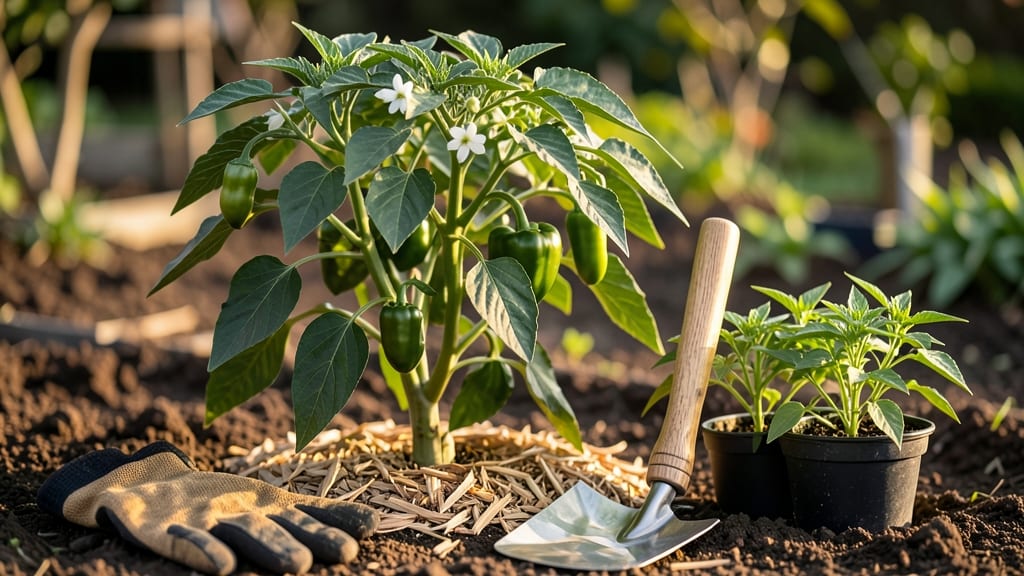
Timing your 🌶️ bell pepper planting in Kansas can make or break your harvest—get it wrong, and you might end up with sad, frost-nipped plants instead of juicy, homegrown peppers.
Unlike some vegetables, bell peppers are finicky about temperature, needing soil that’s at least 60°F and a long, warm growing season to thrive.
If you’re in USDA Zone 6a, like most of Kansas, your window to plant bell peppers outdoors is tight—typically between April 15 and May 15, after the last frost date.
But don’t rush! Starting seeds indoors 6-8 weeks before the last frost can give you a head start, especially if you’re growing heat-loving varieties like 'Carolina Wonder' or 'Jupiter.'
Here’s the kicker: even if you nail the planting window, Kansas’ unpredictable weather can throw a wrench in your plans. That’s why I’ll share proven strategies to extend your growing season—whether it’s using row covers, mulching, or even a small greenhouse setup—to keep your peppers producing well into October.
Ready to turn your garden into a pepper powerhouse? Let’s break down the exact steps, from seed to harvest, so you can enjoy fresh, homegrown 🌶️ bell peppers all season long—no guesswork required.
Kansas last frost dates by region: when to start bell pepper seeds indoors
Kansas' diverse climate means your last frost dates can vary by 10-14 days depending on where you live. In Northeast Kansas (like Kansas City), expect your last frost around April 15, while Southwest Kansas (Hays area) typically sees frost-free conditions by April 1.
Timing your bell pepper seeds correctly ensures strong seedlings ready for transplant.
For indoor seed starting, begin 8-10 weeks before your region's last frost date. That means February 1-15 for most of Kansas. Bell peppers need warm soil (60°F+) to germinate properly, so don't rush—cool indoor temperatures can slow growth. Use a seedling heat mat if your home stays below 70°F.
Here's how to match your region to the perfect planting timeline:
| Region | Last Frost Date | Start Seeds Indoors | Transplant Outdoors |
|---|---|---|---|
| Northeast (Topeka, Kansas City) | April 15 | February 15-March 1 | May 1-15 |
| Southeast (Pittsburg) | April 1 | February 1-February 15 | April 20-May 5 |
| Southwest (Hays, Garden City) | March 25-April 1 | January 20-February 10 | April 10-April 25 |
| Northwest (Salina, Colby) | April 20 | February 20-March 10 | May 10-25 |
Transplanting too early is the #1 mistake Kansas gardeners make. Wait until soil temperatures reach 60°F+ and nighttime temps stay above 55°F. Use a soil thermometer—don't guess! In cooler regions like Northwest Kansas, consider using black plastic mulch 2 weeks before transplanting to warm the soil faster.
For extended harvests, some gardeners in Northeast Kansas plant a second crop of short-day varieties (like 'Aristotle') in mid-July. These need 8-10 weeks to mature before first frost, so time it right for a fall harvest.
Just be ready to protect them with row covers if temps dip below 50°F at night.
Pro tip: Harden off seedlings 7-10 days before transplanting by gradually exposing them to outdoor conditions. Start with 1-2 hours daily in shade, then increase to full sun. This toughens seedlings so they survive Kansas' wind and temperature swings after planting.
Remember, bell peppers are heat lovers—they thrive in 75-90°F soil. If your spring stays cool, opt for early-maturing varieties (like 'Early California Wonder') to avoid blossom end rot from inconsistent temperatures. And always plant in full sun locations—at least 6-8 hours daily.
Don't let Kansas' unpredictable weather derail your pepper dreams. With these regional timelines, you'll have plump, productive plants ready to harvest from July through October. 🌶️
Best bell pepper varieties for Kansas: heat tolerance and planting time differences
Choosing the right bell pepper variety for Kansas is key to a successful harvest. The state’s USDA Zone 6a climate demands varieties that can handle hot summers and unpredictable springs.
Some peppers thrive in early plantings, while others need the extended heat of late summer. Let’s dive into the top performers and their ideal planting windows.
For early-season planting (April-May), varieties like 'Aristotle' are excellent choices. This yellow bell pepper matures in about 70 days and tolerates cooler temperatures better than most. It’s perfect if you’re transplanting after the last frost but want a head start on the season.
🌶️ Variety Comparison: Best Bell Peppers for Kansas
| Variety | Days to Maturity | Best Planting Window | Heat Tolerance | Kansas Suitability |
|---|---|---|---|---|
| Aristotle | 70 | April 15 - May 1 | Moderate | High (early season) |
| Carolina Wonder | 80 | May 1 - May 15 | High | Very High (late season) |
| Jupiter | 65 | April 20 - May 10 | Moderate-High | High (versatile) |
| Gypsy | 75 | May 1 - June 1 | Moderate | High (disease-resistant) |
'Carolina Wonder' is a late-season powerhouse that thrives when planted between May 1 and May 15. This red bell pepper loves heat and can keep producing well into October if protected from early frosts. It’s my go-to for extending the harvest, especially when paired with row covers.
If you’re looking for a versatile option, 'Jupiter' is a fantastic choice. This yellow-green bell pepper matures in just 65 days and handles both early and late plantings well. It’s also more disease-resistant than many varieties, making it a low-maintenance pick for Kansas gardens.
'Gypsy' is another disease-resistant favorite, ideal for gardeners who want to avoid common issues like blossom end rot. Plant it between May 1 and June 1 for a steady supply of green bell peppers through the summer.
Its compact size also makes it perfect for container gardening if space is limited.
Pro tip: Always check the seed packet for specific days to maturity and adjust your planting window accordingly. In Kansas, late plantings (after June 1) should focus on heat-tolerant varieties like 'Carolina Wonder' to maximize your harvest before the first frost.