
Plants
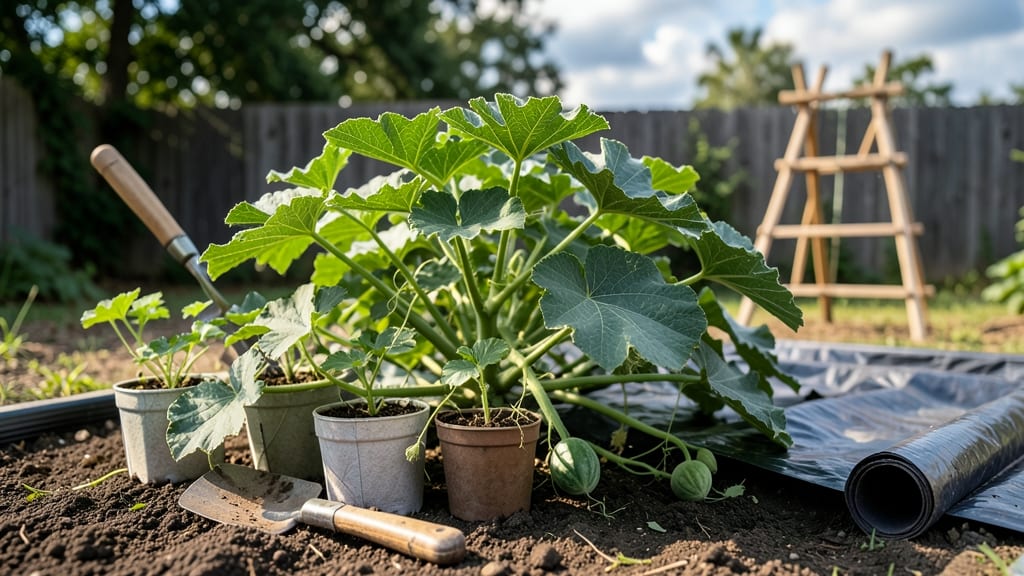
Timing your 🍉 watermelon planting in Florida isn’t just about avoiding frost—it’s about beating the summer heat before it forces your plants to bolt and give up on fruit.
If you plant too early, you’ll end up with bitter, underripe melons; too late, and the season’s over before they even think about ripening.
I’ve grown watermelons in Florida’s 9a-10a zones for years, and the exact window makes all the difference. North Florida gardeners wait until late February or March, while South Florida can start as early as January—but there’s a science to it beyond just dates.
Soil temperature, humidity, and even your microclimate play a role in whether your vines thrive or wither.
What you’re about to discover isn’t just a calendar—it’s a game-changer for avoiding common pitfalls like heat stress or premature flowering. We’ll cover the ideal weeks before summer peaks, soil prep tricks, and how to adjust for Florida’s coastal vs. inland differences.
Ready to turn your watermelon patch from "maybe" to "mind-blowing"? Let’s dig in.
The key isn’t just when you plant—it’s how you prepare the soil, space those vines, and manage the heat once they’re in the ground. Skip the guesswork and learn the best strategies tailored to Florida’s brutal summers. Your next harvest could be the sweetest (and most reliable) yet.
Florida watermelon planting calendar: exact weeks before summer heat peaks to avoid bolting
Timing is everything when growing watermelons in Florida. Plant too early, and your vines will bolt from cold snaps. Plant too late, and the summer heat will stunt growth. The ideal window depends on your region—North Florida’s cooler climate differs from South Florida’s year-round warmth.
For North Florida (USDA Zones 8a-9a), aim for late February to mid-March when soil temperatures consistently hit 70°F (21°C). In South Florida (Zones 10a-11), you can start as early as January to early February since frost is rare.
These windows ensure your plants establish roots before Florida’s brutal summer heat arrives.
🌱
| Region | Planting Window | Soil Temp Threshold | Harvest Window |
|---|---|---|---|
| North Florida (Zones 8a-9a) | Late Feb - Mid-Mar | 70°F (21°C) minimum | June - August |
| Central Florida (Zones 9a-10a) | Early Feb - Early Mar | 68°F (20°C) minimum | May - July |
| South Florida (Zones 10a-11) | Jan - Early Feb | 65°F (18°C) minimum | April - June |
Use a soil thermometer to confirm temperatures before planting. Watermelon seeds won’t germinate below 65°F (18°C), and seedlings will struggle in cooler soils. In North Florida, wait until 3 weeks after the last frost date (typically mid-January) to ensure safety.
For extended-season varieties, you can make a second planting in late April (North Florida) or early April (South Florida). This gives you a fall harvest before temperatures drop. However, avoid planting after June 1st in most regions, as the intense heat will cause bolting and poor fruit development.
🌡️
Pro tip: Start seeds indoors 4-6 weeks before your target outdoor planting date if you’re in a cooler microclimate. Use biodegradable pots to transplant seedlings without disturbing roots. Watermelons thrive in warm soil, so consider using black plastic mulch to raise soil temperatures faster.
If you’re in the Panhandle or inland areas, expect slightly cooler nights that may delay planting by 1-2 weeks. Coastal areas like Miami or Fort Lauderdale can plant earlier due to their warmer microclimates. Always check local agricultural extension service updates for frost advisories.
📅
How to adjust planting for Florida’s microclimates: coastal vs. inland vs. Panhandle differences
Florida’s microclimates can turn a watermelon gardener’s success from “hopeful” to “heroic” with just a few miles of travel. Coastal areas like Miami or Fort Lauderdale stay warm year-round, while inland cities like Orlando or Tampa experience more dramatic temperature swings.
Then there’s the Panhandle, where cooler nights and earlier frost dates demand a different approach entirely.
The key difference? Humidity and soil warmth. Coastal regions retain moisture longer, speeding up germination but also increasing disease risk. Inland areas dry out faster, requiring more consistent watering. Meanwhile, the Panhandle’s sandy soils drain too quickly unless amended properly.
Adjusting your planting schedule by just 2-4 weeks can mean the difference between a bountiful harvest and a sad, bolted vine.
Here’s how to tailor your 🍉 watermelon planting to Florida’s three main zones—plus pro tips to outsmart each microclimate’s quirks.
| Zone | Best Planting Window | Soil Prep Tip | Key Challenge | Solution |
|---|---|---|---|---|
| South Florida (Miami, Fort Lauderdale) | January–Early February | Add compost to improve drainage | High humidity + fungal diseases | Use drip irrigation and fungicide |
| Central Florida (Orlando, Tampa) | Late February–Mid-March | Mulch heavily to retain moisture | Rapid soil drying + heat stress | Shade cloth for seedlings |
| Panhandle (Pensacola, Tallahassee) | Mid-March–Early April | Mix in organic matter for sandy soil | Cooler nights + early frost risk | Row covers for early planting |
If you’re in South Florida, don’t wait until March—start seeds indoors in December for an early jump. The heat arrives fast, and you’ll want vines established before the summer solstice hits. For Central Florida, aim for soil temps of 70°F+—use a soil thermometer to avoid false starts.
In the Panhandle, wait until nighttime temps stay above 55°F to prevent cold damage.
Pro tip: Coastal gardeners can experiment with fall plantings (September–October) for a second harvest before frost. Just be prepared for slower growth in cooler months. And no matter where you’re planting, test your soil pH—watermelons thrive in 6.0–6.8.
If your soil’s too acidic or alkaline, amend it 4–6 weeks before planting.
Microclimates aren’t just about where you live—they’re about your yard’s layout. A shady spot near a building? Plant heat-tolerant varieties like ‘Sugar Baby’ there. A sun-baked patch? Save it for ‘Crimson Sweet’, which handles Florida’s intensity like a champ.
Pay attention to these details, and your 🍉 watermelon patch will reward you with melons so sweet, you’ll forget the sweat it took to get there.