
Plants
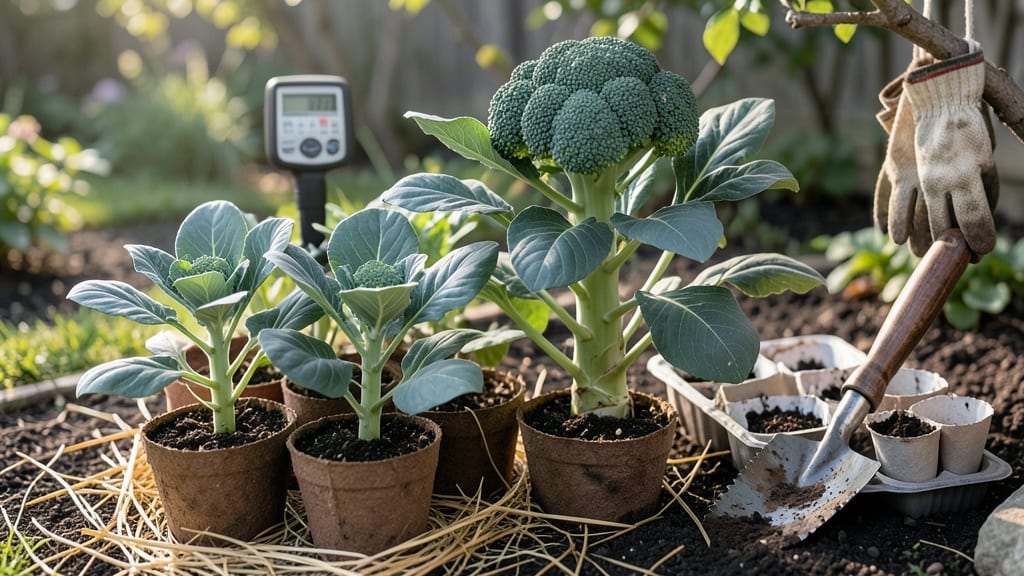
Knowing when to plant broccoli in Central Florida is the difference between a lush, homegrown harvest and a garden full of bitter, bolted 🥦 plants.
Unlike northern climates, Florida’s warm winters and long growing season demand precise timing—plant too early, and the heat will send your broccoli racing to flower before you even get a bite. Too late, and you’ll miss the ideal window entirely.
Here’s the secret: broccoli thrives in Central Florida’s 9a-10a zones when planted during two critical windows—August-September for fall harvests and January-February for winter crops. These months give your plants enough time to mature before the summer heat forces them into bolting mode.
With the right variety and a few smart tricks, you can beat the heat and enjoy fresh, crisp broccoli straight from your garden.
But timing isn’t the only factor—soil prep, shade, and even your watering schedule play a role. I’ll walk you through the exact steps to set your broccoli up for success, including how to pick heat-tolerant varieties that won’t wilt under Florida’s sun.
Whether you’re a first-time gardener or a seasoned green thumb, these tips will help you grow broccoli that’s crisp, flavorful, and ready to harvest—no matter how hot it gets.
Ready to skip the store-bought broccoli and grow your own? Let’s dive into the perfect planting schedule, plus pro tips to keep your 🥦 plants happy and productive all season long.
Best planting months for broccoli in Central Florida’s climate zones
Central Florida’s USDA Zones 9a-10a offer a unique challenge for broccoli growers—no frost means we can’t rely on seasonal temperature drops to trigger growth. Instead, we must use heat-tolerant varieties and precise timing to avoid bolting (premature flowering).
The key windows are late summer/early fall and winter, when temperatures dip into the 60s-70s°F range.
For a fall harvest, sow seeds or transplants between mid-August and early September. This gives plants 60-70 days to mature before winter heat sets in. In Orlando, where humidity spikes, start slightly earlier (late July) to beat the worst of summer’s 90°F+ days.
Meanwhile, Tampa’s coastal microclimate allows for a 2-week later start due to slightly cooler evenings.
Here’s the critical timeline for success: Plant August 15-September 15 for a November-December harvest. If you miss this window, your broccoli will struggle with heat stress and bolt before forming heads.
For a spring crop, aim for January 15-February 15, harvesting in April-May—just before summer’s relentless sun peaks.
Central Florida’s lack of frost means we avoid the “wait for spring” rule of northern gardens. Instead, we focus on temperature thresholds: Broccoli thrives when daytime highs stay below 80°F and nights dip to 55-65°F.
Use shade cloth (30-50%) if planting in July or October to protect seedlings from intense afternoon sun.
| Planting Window | Ideal Months | Harvest Window | Temperature Range | Notes |
|---|---|---|---|---|
| Fall Crop | Mid-August–Early September | November–December | 65–78°F (day), 55–65°F (night) | Use shade cloth if planting late August |
| Spring Crop | Mid-January–Mid-February | April–May | 60–75°F (day), 50–60°F (night) | Avoid planting after March 1 |
| Late Summer (Risky) | Late July (Orlando only) | September–October | 75–85°F (day), 65–70°F (night) | Requires 50% shade cloth; low yield |
Microclimates matter in Central Florida! Coastal areas (Tampa/St. Pete) can handle 1-2 weeks later plantings than inland zones (Orlando/Kissimmee) due to cooler ocean breezes. For example, Tampa’s fall planting window extends to early October, while Orlando’s should end by September 10 to avoid heat stress.
Use a soil thermometer to confirm 60°F+ soil temps before sowing—cool soil delays germination.
If you’re new to Central Florida gardening, transplants are your best bet for fall crops. Start with 4-6 week-old seedlings from local nurseries (like Bonnie Plants or Monarch Seeds) to skip the slow summer germination phase.
Space them 18-24 inches apart in well-draining, slightly acidic soil (pH 6.0-7.0). Amend clay-heavy soil with compost or pine bark fines to improve drainage—a must in Florida’s humid climate.
Pro tip: Succession planting works in Central Florida! After your fall harvest, sow fast-maturing varieties like ‘De Cicco’ (ready in 50 days) in late September for a small winter crop. Just be prepared to hand-pollinate if temperatures dip below 55°F—bees stay indoors in cooler weather!
Watch for heat stress signs like yellowing leaves or stunted growth—these mean it’s time to provide afternoon shade or move plants to a dappled-light area. Mulch with straw or wood chips to keep roots 10°F cooler than ambient air temps.
With the right timing, you’ll enjoy crisp, sweet broccoli heads even in Florida’s heat!
Best planting months for broccoli in Central Florida’s climate zones
Central Florida’s 9a-10a climate zones mean broccoli can grow year-round, but the key is avoiding the peak summer heat. Unlike cooler regions, you’ll focus on two main planting windows: late summer for fall harvests and early winter for spring crops.
These timings ensure your plants mature before the heat triggers bolting—the process where broccoli flowers prematurely, ruining your harvest.
The ideal months for planting broccoli in Central Florida are August and September for a fall crop, and January and February for a winter-to-spring harvest. These windows give your plants 60-90 days to grow before the summer heat intensifies.
For example, planting in early September allows harvests by late November, just before the heat peaks in December.
Here’s the breakdown for each window, including how microclimates like Orlando vs. Tampa can shift your timing by a few weeks:
| Planting Window | Best For | Harvest Time | Notes for Central Florida |
|---|---|---|---|
| August - Early September | Fall crop | November - December | Plant seeds or transplants 60-70 days before first frost (though Florida rarely has frost, aim for cooler temps). |
| Late September | Fall crop (riskier) | January | Use shade cloth to protect from late-summer heat; may bolt faster. |
| January - Early February | Winter-to-spring crop | April - May | Best for cooler winter months; avoid planting too late in February. |
| March | Spring crop (high risk) | May - June | Only attempt with heat-tolerant varieties and heavy shade. |
If you’re in Tampa or southern Orlando, you can push your fall planting window slightly later—into early October—thanks to the region’s slightly warmer microclimate. Conversely, northern Orlando or Ocala areas may need to start seeds indoors in July for a fall crop to avoid bolting.
Always check your local last frost date (though Florida rarely has frost, cooler pockets exist).
For successful transplants, buy young plants from local nurseries in July for fall planting or December for winter crops. Avoid summer transplants—they’ll struggle with the heat. If you’re starting from seeds, sow them indoors 4-6 weeks before outdoor planting to give seedlings a head start.
Harden them off by moving them outdoors for a few hours daily before transplanting.
Pro tip: Use shade cloth (30-50%) during the hottest months to protect young plants. Even a few degrees cooler can prevent bolting and keep your broccoli heads compact and flavorful. Pair this with consistent watering (1-2 inches per week) and you’ll be on your way to a bountiful harvest.