
Plants
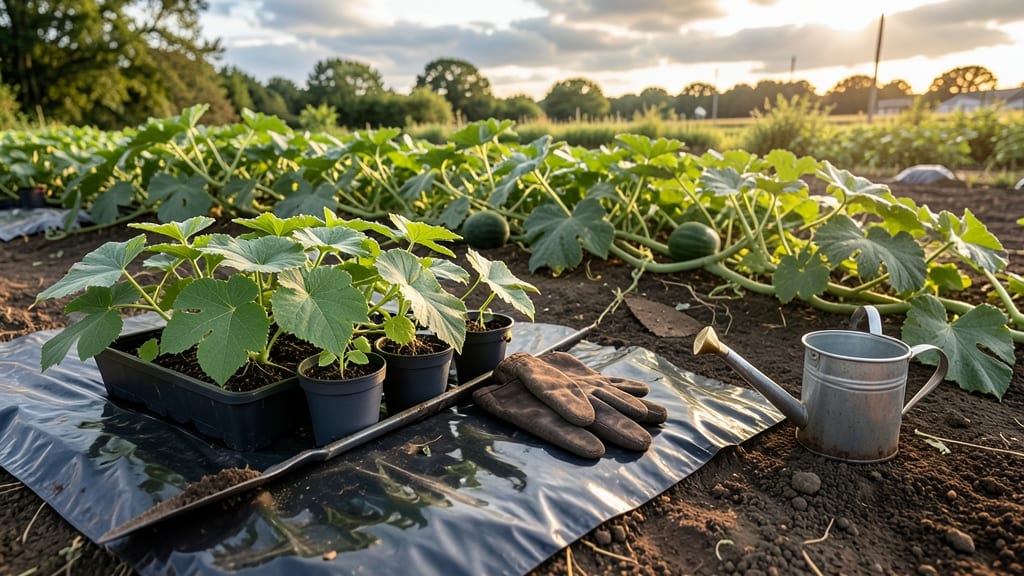
Planting watermelon in Georgia isn’t just about throwing seeds in the dirt—it’s about timing them perfectly with the state’s heat zones to guarantee those sweet, juicy slices by summer’s end.
Georgia’s climate varies dramatically from the Coastal Plain to the Piedmont, and getting the planting window wrong can mean wilted vines or underripe fruit. Whether you’re in Zone 7b or 8b, knowing when to plant your 🍉 seeds is the key to a thriving harvest.
You’ll learn exactly when to start seeds indoors (or skip it entirely), how to wait for soil temperatures to hit 70°F, and why early June is your last chance for a full-season crop. Let’s break down the best months for each region so you can avoid common mistakes.
From frost-free dates to post-planting care, this guide ensures your watermelon patch becomes the star of your Georgia garden—no bitter surprises included.
Georgia heat-Zone planting chart: best months for watermelon seeds
Georgia’s diverse climate—from the humid Coastal Plain to the cooler Piedmont region—means your watermelon planting schedule depends heavily on your USDA zone. In Zone 7b (northern GA), you’ll plant later than in Zone 8b (southern GA), where the growing season stretches longer.
The key? Wait until soil temperatures hit at least 70°F—cold soil slows germination and invites rot.
Most Georgia gardeners aim to plant watermelon seeds between late April and early June, but this shifts based on your region. For example, Savannah (Zone 8b) can start as early as mid-April, while Atlanta (Zone 7b) should wait until mid-May.
Frost risk is your biggest enemy—watermelons hate cold, and even a light frost after planting can stunt growth.
Here’s the critical timing breakdown by Georgia region, including last frost dates and ideal planting windows to maximize your harvest:
| Region | USDA Zone | Last Frost Date | Planting Window | Soil Temp Threshold | Harvest Window |
|---|---|---|---|---|---|
| Coastal Plain (Savannah, Brunswick) | 8b | Mid-March | Mid-April to early May | 70°F+ (earlier than Piedmont) | June to August |
| Central GA (Macon, Columbus) | 8a | Late March | Late April to mid-May | 70°F+ (check with trowel) | July to September |
| Piedmont (Atlanta, Athens) | 7b | Early April | Mid-May to early June | 70°F+ (wait for heat) | August to October |
| North GA (Dalton, Blue Ridge) | 7a | Mid-April | Late May to early June | 70°F+ (shortest season) | September (limited harvest) |
🌱 Pro Tip: Use a soil thermometer to confirm temps—watermelon seeds won’t sprout below 65°F, but 70°F+ ensures strong germination.
If you’re in Zone 7a or 7b, consider starting seeds indoors 4-6 weeks before your last frost to give vines a head start. However, watermelons hate transplant shock, so direct-sowing is often better.
For Coastal Plain gardeners, you can even squeeze in a second planting in early June for a late-summer harvest.
One common mistake? Planting too early in cooler zones and watching vines struggle. Watermelons need 90-100 days to mature, so if you plant in late May in Atlanta, your harvest might coincide with fall frosts.
Always calculate backward from your first frost date (typically mid-November) to avoid disappointment.
For soil prep, watermelons thrive in well-draining, sandy loam with a pH of 6.0-6.8. Work in 2-3 inches of compost before planting to improve fertility. In heavy clay soils (common in Piedmont), amend with organic matter to prevent waterlogging, which can rot roots.
After planting, mulch with straw or black plastic to retain moisture and suppress weeds. Watermelons are heavy feeders, so side-dress with balanced fertilizer (10-10-10) when vines are 12 inches long. Avoid over-fertilizing nitrogen—it boosts leaves but reduces sweetness in the fruit.
Finally, space your plants properly: 2-3 feet apart in rows 5-6 feet apart. This gives vines room to sprawl and prevents disease spread. In small gardens, use trellises or cages for compact varieties like 'Sugar Baby' or 'Tiny Tim'.
With the right timing and care, your Georgia watermelon patch will reward you with sweet, juicy fruit—just in time for summer picnics. 🍉
Georgia heat-Zone planting chart: best months for watermelon seeds
Georgia’s climate ranges from Zone 7b in the Piedmont to Zone 8b in the Coastal Plain, meaning your planting window depends heavily on where you live. In colder northern regions, you’ll plant earlier than in the warmer south.
The golden rule? Wait until soil temperatures hit at least 70°F—cold soil stunts growth and attracts pests.
Most gardeners in Georgia plant watermelon seeds directly in the ground (no need for indoor starts), but timing varies. Coastal areas can start as early as late March, while Piedmont gardeners should wait until mid-April.
The last safe window for a full-season crop is early June, though yields may be smaller if planted late.
| Georgia Region | USDA Zone | Last Frost Date | Best Planting Window | Soil Temp Requirement |
|---|---|---|---|---|
| Coastal Plain | 8a-8b | Mid-February | Late March - Early May | 70°F+ |
| Central GA (Athens) | 7b-8a | Early March | Mid-April - Late May | 70°F+ |
| Piedmont (Atlanta) | 7b | Mid-March | Late April - Early June | 70°F+ |
| North GA (Blue Ridge) | 7a | Early April | Early May - Mid-June | 75°F+ |
For Coastal Plain gardeners, the longer growing season means you can even try an early fall planting in August for a late-season harvest. However, Piedmont gardeners should avoid planting after June 1st—vines won’t mature before the first frost.
Pro tip: Use a soil thermometer to confirm temperatures before planting. If your soil is below 70°F, wait another week—your watermelons will thank you with sweeter fruit and fewer diseases.
After planting, mulch heavily with straw or black plastic to keep soil warm and moisture levels consistent. This is especially critical in Zone 7b where nights can still dip into the 50s°F even in summer.
Remember, watermelons need 8+ hours of sunlight daily and consistent watering (1-2 inches per week). Skimp on either, and you’ll end up with small, seedy, or bitter fruit—no one wants that on a Georgia summer day!