
Plants
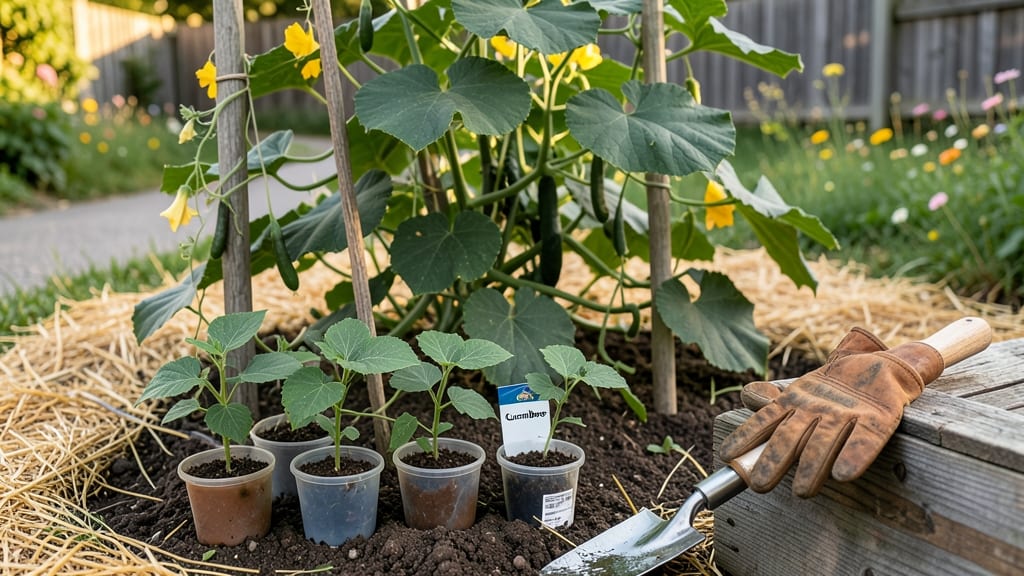
Timing your cucumber 🥒 planting in North Florida isn’t just about avoiding frost—it’s about beating the heat and humidity that can turn your garden into a wilting disaster.
With the right schedule, you can enjoy crisp, homegrown cucumbers from spring through fall without the stress of summer burnout or pest takeovers.
Most gardeners in USDA zones 8a-9b know the basics—wait until soil warms to 60°F and all frost risk fades. But here’s the secret: two planting windows work best.
Transplant seedlings in mid-February to late March for an early spring harvest, or sow seeds directly in late March to early May to dodge peak summer heat.
Why does this matter? Because cucumbers are finicky—they’ll bolt in scorching temps or rot in soggy soil. I’ll show you exactly how to navigate North Florida’s microclimates, from Jacksonville’s coastal breezes to Tallahassee’s inland heat, so you can pick the perfect moment for your patch.
Ready to skip the guesswork? Let’s break down the ideal planting calendar, soil prep tricks, and even which varieties thrive when Florida’s sun turns up the heat.
North Florida cucumber planting calendar by microclimate Zone
North Florida’s microclimates create unique planting opportunities for cucumbers, from Jacksonville’s coastal warmth to Tallahassee’s inland heat. Understanding these zones helps you avoid heat stress in summer and pests like cucumber beetles in spring. Let’s break down the best planting times for each region.
Jacksonville’s USDA Zone 8b enjoys the earliest starts, while Tallahassee’s Zone 8a faces cooler nights. The Panhandle (Zone 8b-9a) can extend seasons further. Below, I’ve mapped out the ideal windows for both spring and fall crops, ensuring you maximize your harvest.
📅 Key Dates to Remember:
- Last Frost: Mid-March (varies by 1-2 weeks regionally)
- First Frost: Late November (rare but possible in inland areas)
- Soil Temp Threshold: 60°F (wait until soil warms to avoid slow growth)
| Region | Spring Planting Window | Fall Planting Window | Key Notes |
|---|---|---|---|
| Jacksonville (Zone 8b) | Mid-February (transplant) to Early April (direct sow) | Late July to Mid-August (transplant) | Warmer coastal soils; watch for humidity-related diseases. |
| Gainesville (Zone 8a) | Late February (transplant) to Late March (direct sow) | Early August to Mid-September | Cooler nights; prioritize heat-tolerant varieties. |
| Tallahassee (Zone 8a) | Late March (transplant) to Early April (direct sow) | Mid-August to Early September | Inland heat spikes; use shade cloth in peak summer. |
| Panhandle (Zone 8b-9a) | Early February (transplant) to Mid-April (direct sow) | Late June to Early August | Longer growing season; succession planting works well. |
For spring crops, aim to transplant seedlings when soil temperatures hit 60°F. In Jacksonville, this often means mid-February, while Gainesville may wait until late February. Direct sowing can start 4-6 weeks later, once nighttime temperatures stay above 55°F consistently.
Fall planting is trickier—late summer heat can stress young plants. Start seeds indoors 6-8 weeks before your target transplant date (e.g., June for Jacksonville, July for Tallahassee). Harden off seedlings gradually to avoid transplant shock in the humid Florida air.
Pro tip: Use row covers for early spring/fall plantings to protect against cucumber beetles and squash vine borers, two pests that thrive in North Florida’s warm winters. Remove covers once flowers appear to allow bee pollination.
If you’re in the Panhandle, don’t overlook the shoulder seasons. Plant a third crop in late May for a fall harvest before temperatures climb too high. This “extended summer” strategy works especially well with bush varieties like ‘Bush Champion.’
Remember: Soil health is non-negotiable. Test your soil’s pH (6.0-6.8) and amend with compost before planting. North Florida’s sandy soils drain quickly, so add organic matter to retain moisture and nutrients.
🌱 For a foolproof schedule, mark your calendar:
- Jacksonville: Spring (Feb-Apr), Fall (Jul-Aug)
- Gainesville/Tallahassee: Spring (Mar-Apr), Fall (Aug-Sept)
- Panhandle: Spring (Feb-Apr), Fall (Jun-Aug) + Late May bonus crop
North Florida cucumber planting calendar by microclimate Zone
North Florida’s microclimates create unique planting windows for cucumbers—from Jacksonville’s coastal warmth to Tallahassee’s cooler inland areas. The key is aligning your schedule with frost-free dates and heat tolerance. Here’s how to time it perfectly for your region.
Jacksonville’s USDA Zone 8b enjoys an extended growing season, while Gainesville’s Zone 8a faces slightly cooler nights. Tallahassee (Zone 8a) and the Panhandle (Zone 8b-9a) can push cucumbers later into fall. Always wait until soil temps hit 60°F—use a soil thermometer to confirm.
Spring plantings (February–April) yield the best cucumbers in North Florida. Summer heat (June–August) demands extra care, while fall crops (September–October) thrive with proper shade and watering. Below, see the ideal planting windows by region.
| Region | Spring Planting Window | Fall Planting Window | Key Notes |
|---|---|---|---|
| Jacksonville (Zone 8b) | Mid-February to Late March (transplant) or Late March to Early May (direct sow) | Late July to Early September (transplant) | Humidity increases fungal risk; use 30% shade cloth in summer. |
| Gainesville (Zone 8a) | Late February to Early April (transplant) or Early April to Mid-May (direct sow) | Early August to Mid-September (transplant) | Cooler nights; prioritize disease-resistant varieties like 'Southern Sweet 100'. |
| Tallahassee (Zone 8a) | Late February to Early April (transplant) or Early April to Late April (direct sow) | Late July to Early September (transplant) | Sandy soil drains fast; mulch heavily to retain moisture. |
| Panhandle (Zone 8b-9a) | Mid-February to Late March (transplant) or Late March to Early May (direct sow) | Late July to Mid-September (transplant) | Longer heat; opt for parthenocarpic varieties (no pollination needed). |
For direct sowing, plant seeds ½ inch deep and space them 2–3 feet apart in rows 3–4 feet apart. If transplanting, harden off seedlings for 7–10 days before moving them outdoors. Use black plastic mulch to warm soil faster in early spring.
North Florida’s summer heat (June–August) can stress cucumbers, but fall plantings (September–October) often produce sweeter, higher-quality fruit. Avoid planting after mid-October—days shorten too quickly for a full harvest. Use row covers in early spring to protect young plants from cucumber beetles and squash bugs.
Pro tip: Succession plant every 2–3 weeks from March to June for a continuous harvest. Pair cucumbers with radishes or beans to improve soil health and deter pests. With the right timing, you’ll enjoy crisp cucumbers from May through October! 🥒