
Vegetables
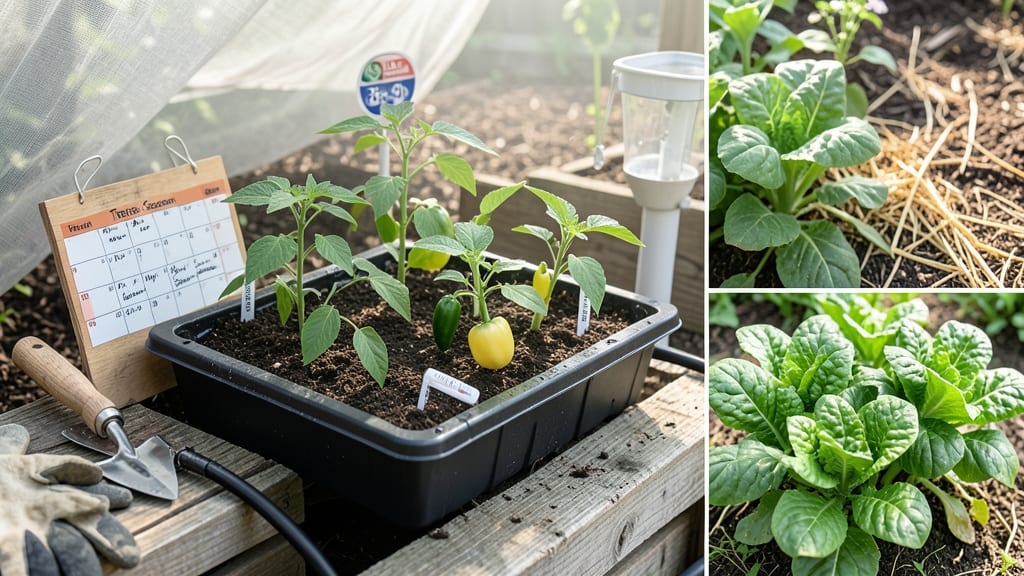
Timing your vegetable planting in Texas isn't just important—it's the difference between a thriving garden and a sad, wilted mess. The Lone Star State's extreme heat and unpredictable freezes demand precision, and planting too early or late can leave your 🌱 vegetables struggling against the odds.
I've spent years watching Texas gardens succeed (and fail) based on planting schedules, and the key is understanding your specific zone's frost dates and heat tolerance.
Whether you're in North Texas with its cooler springs or South Texas where summer arrives early, knowing when to plant makes all the difference in your harvest.
What you're about to discover is the science-backed timeline for planting vegetables in Texas, broken down by zone. We'll cover the best months for cool-season crops that hate heat and warm-season varieties that thrive in 100°F+ conditions—plus how to avoid common mistakes that kill gardens before they even get started.
Let's dive into the exact planting windows you need to maximize your garden's potential, from early spring greens to late-summer heat lovers. Your future harvest depends on getting this right—and I've got the zone-specific details to make it happen.
Texas vegetable planting calendar by zone: frost dates, heat tolerance, and critical timing
Texas spans three distinct gardening zones—North, Central, and South—each with its own frost dates and heat challenges. The last spring frost can arrive as early as February in South Texas but linger until April in North Texas.
Meanwhile, first fall frosts strike by November in the Panhandle but may wait until December in the Rio Grande Valley. These differences mean your planting timeline must adapt.
Cool-season crops like lettuce, broccoli, and peas thrive when soil temps stay below 75°F, while warm-season favorites like tomatoes, peppers, and okra demand consistent 80°F+ soil. The key is timing: plant cool crops 6-8 weeks before last frost and warm crops 2-3 weeks after soil warms.
Miss this window, and you’ll battle bolting, poor germination, or heat stress.
Here’s how to align your planting with Texas’s microclimates. Use this zone-specific calendar to avoid common pitfalls like late spring heat waves or early fall freezes.
🌱 Texas Vegetable Planting Timeline by Zone
| Zone | Last Frost Date | Best Planting Window | Cool-Season Crops | Warm-Season Crops |
|---|---|---|---|---|
| North Texas (Zones 7-8) | March 15 - April 15 | Feb 1 - Mar 15 (cool) Apr 15 - May 15 (warm) |
Lettuce, Spinach, Kale, Broccoli, Peas | Tomatoes, Peppers, Eggplant, Okra, Sweet Potatoes |
| Central Texas (Zones 8-9) | February 15 - March 15 | Jan 1 - Feb 15 (cool) Mar 15 - Apr 30 (warm) |
Cabbage, Carrots, Radishes, Onions, Swiss Chard | Cucumbers, Squash, Beans, Corn, Malabar Spinach |
| South Texas (Zones 9-10) | January 15 - February 15 | Dec 1 - Jan 15 (cool) Feb 15 - Mar 31 (warm) |
Collards, Mustard Greens, Turnips, Lettuce (shade-tolerant) | Okra, Sweet Potatoes, Black-Eyed Peas, Peppers, Eggplant |
🌡️ Pro Tip: Use a soil thermometer—warm-season crops need 70°F+ soil to germinate.
For North Texas gardeners, focus on early spring and fall planting. The April heat can scorch seedlings, so opt for heat-tolerant varieties like Malabar spinach or black-eyed peas if you must plant in late spring.
In Central Texas, you can stretch your season with succession planting—sow lettuce every 2 weeks from January to March for continuous harvests.
In South Texas, where winters are mild, you can grow cool-season crops year-round with shade cloth. However, summer heat (often exceeding 100°F) demands drip irrigation and afternoon shade for sensitive plants like tomatoes. Prioritize okra, sweet potatoes, and peppers, which thrive in these conditions.
Don’t overlook fall planting, especially in North and Central Texas. Many gardeners miss this window but can enjoy cool-season harvests from October to December. Start seeds indoors in August for broccoli, cabbage, and kale, then transplant after the September heat wave subsides.
Use row covers or cold frames to extend your spring and fall seasons by 2-4 weeks. These tools protect tender seedlings from late frosts or early heat, giving you a longer harvest window.
For example, a floating row cover can raise soil temps by 5-10°F, helping warm-season crops like peppers germinate earlier in North Texas.
Monitor
Top 10 heat-tolerant vegetables for Texas gardens: what Thrives in 100°F+ conditions
Texas summers aren’t for the faint-hearted—especially when it comes to growing vegetables. But don’t let the 100°F+ heat fool you. Some crops not only survive but thrive in our brutal summers. I’ve grown these heat-tolerant varieties for years, and they consistently deliver even when other gardens wilt.
The secret? Choosing the right plants and giving them the care they need to beat the heat.
These 10 vegetables are my top picks for Texas gardens, selected for their ability to handle extreme temperatures, minimal water needs, and delicious yields.
Whether you're in North Texas with its cooler springs or South Texas where summer arrives early, these varieties will keep your kitchen stocked with fresh produce all season long.
From okra that loves the heat to sweet potatoes that grow like crazy in Texas soil, these plants are your ticket to a successful summer garden. Below, I’ve highlighted the best options, along with my pro tips for maximizing their potential in our unforgiving climate.
- Okra – Loves heat, drought-tolerant, and produces pods even in 110°F+ conditions. Plant after last frost in full sun and harvest pods every 2-3 days to encourage more growth.
- Sweet Potatoes – Thrives in Texas heat and improves with higher temperatures. Plant slips in late spring after soil warms to 70°F+ and expect a bountiful harvest in 90-120 days.
- Malabar Spinach – A heat-loving green that stays productive when other leafy veggies bolt. Grows well in partial shade and tolerates dry spells better than traditional spinach.
- Black-Eyed Peas (Cowpeas) – Drought-resistant and fixes nitrogen in the soil. Plant in early spring or late summer for a fall harvest, and watch them flourish in 90°F+ weather.
- Peppers (Jalapeño, Serrano, Cayenne) – Texas peppers love the heat and often produce more in summer than in cooler months. Plant after last frost and provide consistent watering to avoid blossom end rot.
- Eggplant – Heat-tolerant and productive in Texas summers. Choose varieties like Black Beauty or Ichiban, and plant in full sun with mulch to retain moisture.
- Southern Peas (Cowpeas) – Heat-resistant and great for Texas soil. Plant in late spring or early summer for a fall harvest, and they’ll reward you with sweet, tender pods.
- Tomatillos – Surprisingly heat-tolerant and perfect for salsas. Plant in spring after frost danger passes, and they’ll thrive in 90°F+ temperatures with regular watering.
- Cucumbers (Heat-Tolerant Varieties) – Choose Lemon Cucumber or Straight Eight for better heat resistance. Plant in late spring or early summer and provide daily watering to keep them productive.
- Sweet Corn – Heat-loving and perfect for Texas summers. Plant in blocks for better pollination, and choose early-maturing varieties like Silver Queen or Peaches and Cream.
Planting these heat-tolerant vegetables is just the first step. To keep them thriving in Texas heat, focus on mulching to retain soil moisture, watering deeply in the morning to reduce evaporation, and providing afternoon shade for sensitive varieties like tomatoes.
I’ve also found that drip irrigation is a game-changer for summer watering—it delivers water right to the roots without wetting the leaves, which helps prevent fungal diseases.
Don’t let the heat scare you off from growing vegetables in Texas. With the right heat-tolerant varieties and a few smart gardening strategies, you can enjoy a bountiful harvest even when the thermometer is soaring.
Start with these top 10 plants, and you’ll be on your way to a summer garden that’s as productive as it is resilient.