
Plants
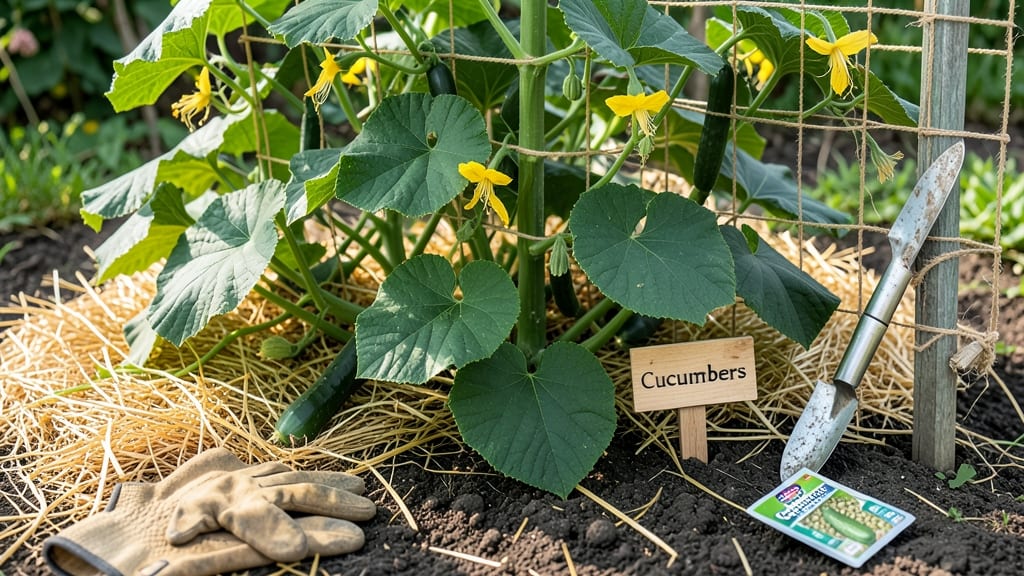
Planting cucumbers in North Texas at the wrong time means watching your hard work wither before it even begins. Whether you're a seasoned gardener or just starting out, getting the timing right is the key to avoiding frost damage or scorching heat that stunts growth.
With USDA Zone 8a conditions, your planting window is tight—just mid-March to early May for spring and late July to early August for summer. Miss these dates, and you risk bolting plants or a harvest that never materializes.
The solution? Planting at the perfect moment when soil temperatures hit 60°F and the last frost has passed.
I’ll break down the exact weeks before your last frost date, plus heat-tolerant varieties like 'Arkansas Little Leaf' that thrive in North Texas summers. You’ll also learn how to extend your harvest season with succession planting and avoid common pitfalls like overwatering or poor soil prep.
By the end, you’ll know exactly when to plant your 🥒 for a bumper crop—no guesswork, just proven strategies tailored to your region. Let’s get those vines growing strong!
North Texas cucumber planting calendar: exact weeks before last frost for success
North Texas gardeners face a 215-day frost-free window, making timing critical for cucumbers. The last average frost date is around March 15, but soil must reach 60°F before planting.
For spring plantings, this means aiming for 2-4 weeks after your last frost—typically late March to early April in most of North Texas.
Summer plantings are equally important to avoid heat stress. Since cucumbers bolt (flower prematurely) in temperatures above 90°F, your second planting window should be late July to early August. This gives plants time to mature before fall’s cooling trend arrives.
Here’s the breakdown of your optimal planting windows based on North Texas’s USDA Zones 7b-9a, including heat-tolerant varieties for late-season success:
For direct sowing (planting seeds directly in the ground), wait until soil temperatures are consistently above 60°F. Use a soil thermometer to check—cucumbers won’t germinate well in cooler soils. If you’re transplanting seedlings, harden them off for 7-10 days before setting them out after the last frost.
North Texas’s urban vs. rural microclimates can shift planting times by 1-2 weeks. Urban areas often warm up faster due to heat islands, while rural spots may stay cooler longer. Adjust your timeline by observing local neighborhood gardens or checking Cooperative Extension Service updates for your county.
Pro tip: Use black plastic mulch to warm soil faster in spring. This can shave off 1-2 weeks of waiting time by raising soil temperatures by 5-10°F. Just remove it once plants are established to prevent overheating.
If you’re in Zone 9a (like far East Texas), you can push spring plantings to mid-February under row covers, but protect them from late frosts. For Zone 7b (Northwest Texas), wait until mid-April to avoid frost risks.
Remember: Cucumbers grown in summer heat need daily watering and drip irrigation to prevent bolting. Stagger plantings every 2 weeks from April to June for a continuous harvest.
By following this calendar, you’ll avoid the two biggest mistakes: planting too early and losing seedlings to frost, or waiting too late and facing scorching heat. Your goal? A prolonged harvest from May through October with minimal stress on your plants. 🌱
How to extend your cucumber harvest season in North Texas heat
North Texas summers can turn your cucumber plants into crispy critters if you don’t act fast. The key to beating the heat lies in strategic planning—not just when you plant, but how you protect and nurture your vines once they’re in the ground.
With temperatures often soaring past 95°F, even heat-loving cucumbers need help to thrive.
I’ve grown cucumbers in this region for years, and I’ve learned that shade cloth, mulching, and succession planting are my top weapons against summer’s wrath. These techniques don’t just extend your harvest—they double or triple your yield by keeping plants productive longer.
Let’s dive into the exact methods that work in my garden (and will work in yours too).
🌡️ Pro Tip: Monitor your soil temperature with a soil thermometer—cucumbers wilt when soil exceeds 85°F. If it’s hotter, it’s time to implement heat shields.
🔥 5 Heat-Beating Strategies for North Texas Cucumbers
- 🌿 Use 30-50% shade cloth during peak afternoon heat (12 PM–4 PM). This drops leaf temps by 10-15°F instantly. Secure it 3-4 feet above plants to allow airflow.
- 💧 Mulch with straw or wood chips (2-3 inches deep) to retain moisture and block soil heat. Dark mulches like black plastic raise temps—avoid these in summer.
- 🌱 Plant heat-tolerant varieties like 'Southern Vining' or 'Straight Eight'. These handle 100°F+ days better than standard types.
- 📅 Stagger plantings every 2 weeks from late July through August. This ensures a continuous harvest as older plants decline in September heat.
- 💦 Water deeply in the morning (1-2 inches per week) and avoid wetting leaves to prevent fungal diseases like powdery mildew. Drip irrigation is ideal.
Another game-changer? Vertical trellising with cucumbers. When vines climb, they stay cooler and produce more fruit. I use hemp twine or plastic lattice—both work well in our climate. Plus, it saves space, which is a bonus for urban gardeners.
Don’t forget about succession planting. While your first batch of cucumbers may start to struggle in August, a second planting in early August can yield fruit through September or October. Just be ready to harvest aggressively—these late-season plants won’t last as long as spring ones.
🌱 Final Tip: If your cucumbers start looking wilted but recover at night, it’s a sign of heat stress. Trim the largest leaves to reduce water loss and focus energy on fruit production.
Your plants will thank you with a second wave of harvests when cooler fall temps arrive.