
Planting
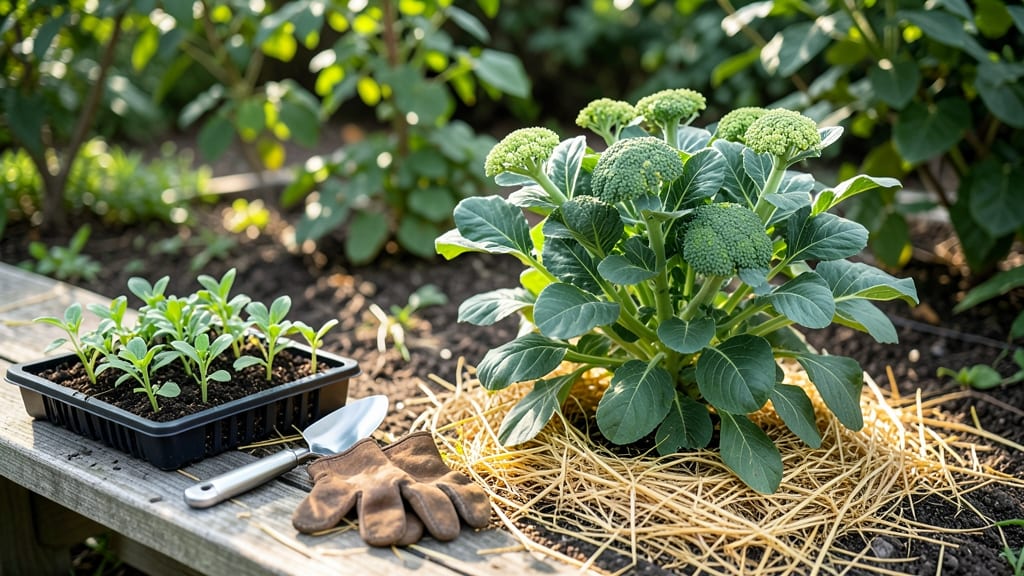
Timing when to plant a fall garden in North Texas could mean the difference between a bumper crop and a sad, wilted disappointment—especially when those unpredictable first frost dates roll around.
You’ve got just a narrow window to plant, and getting it wrong means watching your hard work turn to mush before Thanksgiving dinner.
Most North Texas gardeners wait until late August or early September to start their fall garden, but that’s just the beginning. The real secret lies in knowing exactly when to plant each crop—whether it’s heat-loving okra or frost-tolerant kale—to ensure a fast, flavorful harvest before the cold sets in.
I’ll break down the best planting schedule so you can avoid common mistakes and maximize your garden’s potential.
Why does this matter? Because a fall garden in Zone 8a can be one of the most rewarding seasons—packed with fresh greens, root vegetables, and herbs that thrive in cooler weather.
But rush it, and you’ll end up with stunted plants or worse. Let’s get you planting at the perfect time for a harvest that’ll last until December.
Ready to turn your backyard into a fall feast? I’ll show you how to time your planting down to the week, plus pro tips for soil prep, watering, and protecting your crops from North Texas’ tricky weather. No more guesswork—just a garden that delivers.
North Texas fall planting calendar: exact weeks before first frost by crop type
North Texas gardeners have a short but sweet window to plant fall crops—typically from late August to mid-October. The key is timing your plantings so they mature before the average first frost (mid-October), but not so early that they bolt in the summer heat.
For example, leafy greens like spinach thrive when planted 6-8 weeks before frost, while heat-loving crops like okra need to go in by early August to avoid stunted growth.
Your USDA Zone 8a climate means you can grow both warm-season and cool-season crops in fall, but the timing is critical. Warm-season crops like sweet potatoes and black-eyed peas should be planted by early August, while cool-season crops like kale and broccoli can wait until mid-September.
The goal? A continuous harvest from early October through December.
Here’s the non-negotiable rule: Count backward from your local first frost date (typically November 15 in North Texas) to determine when to plant. For instance, if a crop needs 60 days to maturity, plant it by September 15.
Use this timeline as your fall planting bible to avoid common mistakes like planting too late for a harvest or too early for heat stress.
| Crop Type | Planting Window | Weeks Before Frost | Notes |
|---|---|---|---|
| Warm-Season Crops | Early August | 8-12 weeks before frost | Okra, black-eyed peas, sweet potatoes |
| Cool-Season Crops | Mid-September | 6-8 weeks before frost | Kale, spinach, broccoli, lettuce |
| Herbs | Late August - Early September | 6-10 weeks before frost | Cilantro, parsley, dill |
| Root Vegetables | Late August - Early October | 8-12 weeks before frost | Carrots, beets, radishes |
For warm-season crops, think of late summer as your last chance to get them in the ground. Plant okra and black-eyed peas by early August to ensure they mature before temperatures drop.
These crops love the heat and can even handle 90°F+ days, but they’ll bolt or struggle if planted too late. If you miss this window, consider container gardening on a patio or balcony to extend their growing season.
Meanwhile, cool-season crops like kale and spinach are your fall superstars. They thrive in cooler temperatures (50-70°F) and can even sweetened by frost. Plant these 6-8 weeks before your first frost—so around mid-September in North Texas—to give them time to establish roots and grow before winter sets in.
Pro tip: Succession plant these crops every 2-3 weeks for a continuous harvest.
Herbs like cilantro and parsley are perfect for fall planting because they bolt in the heat but thrive in cooler weather. Sow them late August to early September for a fresh harvest throughout fall and early winter.
If you love fresh herbs in your cooking, this is your chance to grow them without the summer stress. Just remember: Harvest cilantro early to prevent it from turning bitter.
Root vegetables like carrots, beets, and radishes are another fall garden must-have. They grow well in cooler soil and can be planted as late as early October in North Texas. For the best results, loosen the soil and remove rocks to prevent forked roots.
These crops are also great for interplanting with leafy greens, as they take up less space as they mature.
Don’t forget about flowers! Planting marigolds, pansies, and snapdragons in fall adds color to your garden and attracts beneficial pollinators. These flowers thrive in cool-season conditions and can even bloom through winter in North Texas. Plus, they’re low-maintenance, making them perfect for busy gardeners.
To maximize your fall harvest, keep a planting journal. Note which crops thrive in your North Texas climate and which struggle. Adjust your timeline each year based on your observations.
For example, if spinach bolts early in your garden, try planting it earlier or later in the season next year. Small adjustments can make a big difference in your fall garden’s success.
How to extend your North Texas fall harvest with succession planting and frost protection
North Texas’ fall frost dates can sneak up faster than you think—especially when you’re trying to squeeze every last harvest out of your garden. The key to beating the cold? Succession planting and smart frost protection.
By staggering your plantings and using simple tools like row covers, you can extend your harvest window by 3-4 weeks or more, even when temperatures drop.
I’ve tested these methods in my own Zone 8a garden, and the difference between a single planting and a staggered approach is night and day.
For example, planting bush beans every 2 weeks from late August through September ensures a steady supply of fresh pods instead of one big harvest followed by empty rows.
The same strategy works for leafy greens like spinach and kale, which thrive in cooler weather but bolt if planted too early.
Here’s how to make it work in your garden without the guesswork:
Don’t overlook frost protection—it’s your secret weapon for late-season harvests. A simple floating row cover (like Agribon) can raise soil temperatures by 5-8°F and delay frost damage by 2-3 weeks.
For even more protection, use a cold frame or low tunnel over sensitive plants like peppers or tomatoes that you’re trying to save for a final harvest.
Pro tip: Monitor your local frost forecast (check the National Weather Service for North Texas updates). If frost is predicted within 3-5 days, cover your plants with old blankets or towels (even a plastic milk jug over small plants works in a pinch).
The goal is to protect the foliage, not the soil—so avoid smothering the plants completely.
With these strategies, you can turn your North Texas fall garden into a harvest machine that keeps producing well into December. The best part? You’ll save money on groceries and enjoy fresher, tastier produce straight from your backyard.
Just remember: stagger your plantings, protect against frost, and harvest regularly to encourage new growth.