
Plants
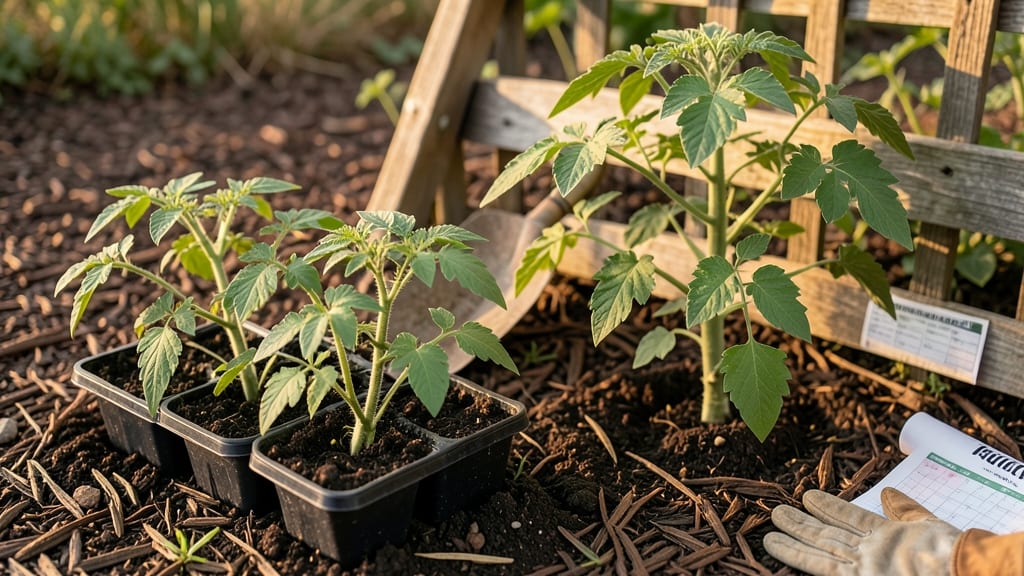
If you've ever planted tomatoes in Texas only to watch them wither under the scorching sun or freeze in an unexpected late frost, you know timing is everything.
The Lone Star State's extreme climate means traditional planting advice won't cut it—your success depends on knowing the exact windows that work for your specific region, from North Texas's cooler springs to South Texas's brutal summer heat.
I've spent years growing 🍅 in Texas gardens, and the difference between a thriving harvest and a failed attempt often comes down to planting at the right moment.
Whether you're starting seeds indoors or transplanting sturdy seedlings, getting the timing right means avoiding both frost damage and heat stress that can ruin your crop before it even begins.
What you're about to discover isn't just about dates—it's about understanding your local microclimate and choosing varieties that can handle Texas's punishing conditions.
We'll break down the best planting windows for each region, plus heat-tolerant varieties that actually thrive when temperatures soar, so you can enjoy homegrown tomatoes from summer through fall without the usual struggles.
Ready to transform your garden? Let's dive into the exact strategies that will help you plant tomatoes at the perfect moment, no matter where in Texas you're gardening. Your future harvest is waiting—let's make sure it's a great one.
Texas tomato planting calendar: exact start dates by region
Texas’s diverse climate—from the Panhandle’s cold snaps to South Texas’s scorching summers—means one-size-fits-all planting advice won’t work. The key is aligning your tomato varieties with your region’s last frost dates and soil temperature thresholds.
For most of Texas, March through May is prime time, but exact dates vary by zone.
Northern Texas (Zones 7-8) faces the highest frost risk, while South Texas (Zones 9-10) can plant year-round with proper heat management. Central Texas (Zones 8-9) strikes a balance, offering a longer growing window for both spring and fall crops.
Let’s break down the optimal planting windows for each region to maximize your harvest.
🌱
| Region | Last Frost Date | Ideal Planting Window | Soil Temp Threshold | Transplant Deadline |
|---|---|---|---|---|
| North Texas (Zones 7-8) | Mid-March to early April | Late March–early May | 60°F+ (15°C+) | Early June (before heat peaks) |
| Central Texas (Zones 8-9) | Late February–early March | Early March–mid-May | 65°F+ (18°C+) | Late June (for fall crops) |
| South Texas (Zones 9-10) | None (year-round risk) | February–April & August–October | 70°F+ (21°C+) | Year-round with shade/cloth |
| East Texas (Zones 7-8) | Late February–early March | Early March–late April | 60°F+ (15°C+) | Early June (humidity-sensitive) |
| West Texas (Zones 7-8) | Mid-March | Late March–early May | 65°F+ (18°C+) | Early June (drought risk) |
🌡️ Pro Tip: Use a soil thermometer—tomatoes thrive when soil hits 70°F+ (21°C+).
For North Texas gardeners, aim to transplant tomato seedlings by April 15 to avoid late spring frosts. The Texas A&M AgriLife Extension reports that Panhandle regions often see frost until April 10, so start seeds indoors in late February for a head start.
Use row covers if nighttime temps dip below 40°F (4°C).
In Central Texas, where Austin and San Antonio dominate, March 1–15 is the sweet spot for spring planting. The region’s warmer microclimates allow for fall crops too—plant transplants in late July for a harvest before winter. Just watch for humidity-related diseases like early blight.
South Texas gardeners have the luxury of year-round growing, but summer heat (above 95°F/35°C) can stress plants. Focus on shade-tolerant varieties like ‘Heatmaster’ or ‘Solar Fire’ and plant in early spring or fall.
Use drip irrigation and mulch heavily to retain moisture during 100°F+ (38°C+) days.
💧 Critical Note: Texas’s drought conditions mean watering consistency is non-negotiable. Deep watering 2–3x weekly (1–2 inches per week) is essential—shallow watering leads to blossom drop and poor fruit set.
To extend your season, consider succession planting: Sow new seeds every 2 weeks from March to June for a continuous harvest. For fall crops, start transplants in late July and use shade cloth (30–50%) to protect from intense afternoon sun.
🌿 Regional Challenge: East Texas’s humidity and West Texas’s drought require tailored solutions. East gardeners should space plants widely for airflow, while West gardeners need windbreaks and drip irrigation
Texas tomato planting calendar: exact start dates by region
Texas's diverse climate—from the chilly North Texas plains to the sweltering South Texas heat—means one planting window doesn't fit all. The key is aligning your schedule with frost-free dates, soil temperatures, and your specific USDA hardiness zone.
For North Texas (Zones 7b-8a), aim for March 15 to April 15 for transplants, while South Texas (Zones 8b-9a) can start as early as February 1 to March 15.
Central Texas (Zones 8a-8b) falls in the middle, with ideal transplant dates between March 1 and April 15. But don't just rely on calendar dates—check your local Texas A&M AgriLife Extension for precise frost-free averages, as they vary yearly.
For example, Dallas averages its last frost around March 15, while Houston typically sees its last freeze by February 15.
Soil temperature is just as critical as air temperature. Tomatoes thrive when soil reaches 60°F (15°C)—use a soil thermometer to confirm readiness. In cooler zones like North Texas, wait until soil warms consistently before planting, even if calendar dates suggest it's time.
For South Texas, where heat arrives early, focus on shade cloth and mulching to protect young plants from intense sun.
| Region | USDA Zones | Last Frost Date | Optimal Transplant Window | Soil Temp Threshold |
|---|---|---|---|---|
| North Texas | 7b-8a | March 15 | March 15 - April 15 | 60°F (15°C) |
| Central Texas | 8a-8b | February 15 - March 1 | March 1 - April 15 | 60°F (15°C) |
| South Texas | 8b-9a | January 15 - February 15 | February 1 - March 15 | 65°F (18°C) |
If you're starting seeds indoors, begin 6-8 weeks before your target transplant date. For North Texas, this means January 15 to February 15, while South Texas gardeners can start as early as December 15.
Use grow lights to supplement natural light, especially in winter months when days are short. Seedlings need 12-16 hours of light daily to avoid leggy growth.
Don't overlook succession planting—this is key to extending your harvest. In North Texas, plant a second batch of heat-tolerant varieties like 'Heatmaster' or 'Solar Fire' in early June for a late-summer crop.
In South Texas, where summer heat arrives early, focus on shade-tolerant varieties like 'Black from Tula' and plant them in partial shade during peak afternoon heat.
Pro tip: Mark your calendar for Texas Superstar™ varieties, which are bred to thrive in our climate. These include 'Celebrity' (reliable), 'Mountain Merit' (disease-resistant), and 'Better Boy' (heat-tolerant).
Pair these with mulch to retain moisture and drip irrigation to deliver water directly to roots, reducing stress during Texas's 100°F+ days.