
Plants
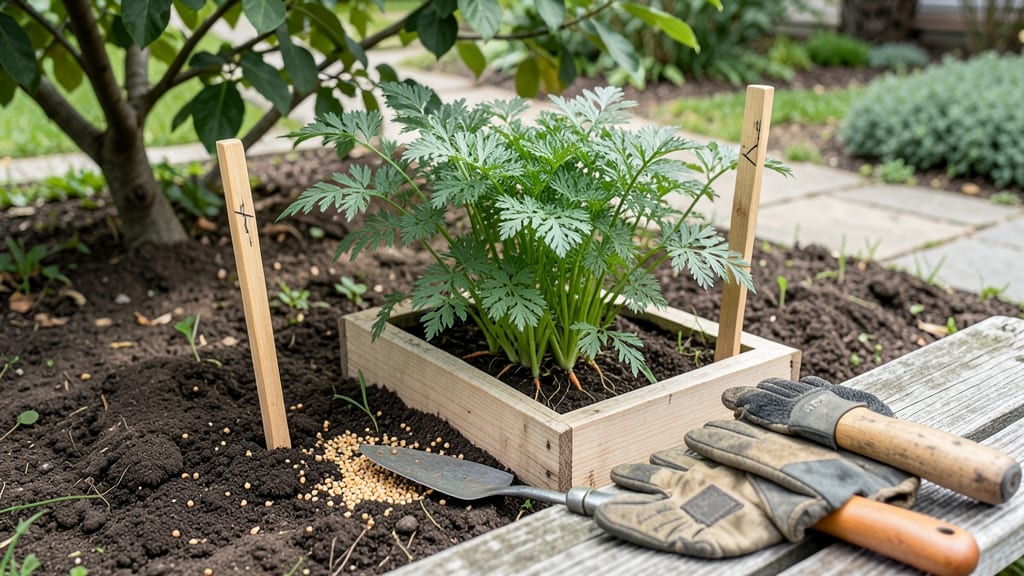
Planting carrots in East Texas at the wrong time can turn your crisp dreams into tough, bitter disappointment—but get the timing right, and you’re rewarded with sweet, tender roots straight from your garden.
The key lies in understanding when to plant carrots in East Texas, where hot summers and mild winters demand precise scheduling to avoid bolting or frost damage.
Most East Texas gardeners focus on two ideal windows: fall (September–October) and spring (February–March), aligning with the region’s USDA Zone 8a climate. These months give carrots (🥕) the cool soil temperatures they crave—critical for preventing woody roots or early flowering.
But timing isn’t just about months; it’s about soil readiness and avoiding the pitfalls of East Texas’ humidity and heat.
In this guide, I’ll break down the exact planting calendar, including how to adjust for your microclimate, whether to start from seeds or transplants, and pro tips to extend your harvest—so you’re pulling carrots from November through June. No more guesswork, just crisp, homegrown perfection every season.
Ready to skip the trial-and-error? Let’s dive into the step-by-step strategy that’ll have your carrots thriving when others are struggling—and why patience (and the right soil) is your secret weapon.
Optimal carrot planting calendar for East Texas seasons
East Texas gardeners face a unique challenge with carrots—our hot summers and mild winters create a tight window for success. The key? Planting twice a year: once in early spring and again in late summer to avoid both extreme heat and frost.
Let’s break down the perfect timing for your crisp, sweet carrots.
For East Texas (USDA Zones 8a-8b), the last frost date typically falls around February 15, while the first frost arrives by November 15. This gives us roughly 210 frost-free days, but carrots need cool soil temperatures (below 80°F) to grow properly.
Planting outside this range risks bolting (going to seed prematurely) or stunted growth.
Here’s your East Texas carrot planting calendar, tailored to our humid, sandy soils and unpredictable weather. The table below shows the ideal months, soil conditions, and harvest windows for both spring and fall plantings.
| Planting Window | Soil Temperature | Planting Depth | Spacing | Harvest Time |
|---|---|---|---|---|
| February - March (Spring) | 50-65°F | 1/4 inch deep | 12-15 inches apart | May - June |
| September - October (Fall) | 60-75°F | 1/4 inch deep | 12-15 inches apart | November - December |
| August (Late Summer) | 70-75°F (with shade) | 1/4 inch deep | 12-15 inches apart | October |
Spring plantings should start 6-8 weeks before the last frost (mid-February), while fall plantings should begin 8-10 weeks before the first frost (early September). In East Texas, August sowings can work if you provide afternoon shade and keep the soil consistently moist to prevent bolting.
This is your backup option if spring or fall plantings fail.
Pro tip: Use a soil thermometer to check temperatures before planting. Carrots need cool soil (below 80°F) to grow properly.
If your soil is too warm, wait a few weeks or use shade cloth to cool it down. Loose, sandy soil is ideal for East Texas—amend clay soil with compost or sand to prevent forking.
Microclimates matter in East Texas! If you live in a warmer microclimate (like near the Gulf Coast), you can push spring plantings slightly later (late March) or extend fall plantings into early November.
Conversely, areas with colder pockets (like the Piney Woods) should plant earlier in spring and sooner in fall to avoid frost.
For succession planting, sow new seeds every 2-3 weeks during your chosen window. This ensures a continuous harvest instead of one big batch.
For example, if you plant your first batch in February, follow up with seeds in March and early April to stagger your harvest through May and June.
Finally, remember that carrots are cool-season crops. They’ll bolt (go to seed) if exposed to consistent temperatures above 80°F or long days. In East Texas, this means avoiding summer plantings unless you’re using shade cloth and drip irrigation to keep them cool and hydrated.
With this timing strategy, you’ll enjoy crisp, sweet carrots from spring through fall—no more tough, woody roots! 🥕
How to extend carrot growing season in East Texas heat
East Texas summers are brutal for carrots—soaring temperatures and intense humidity can turn sweet roots into tough, woody messes. But with the right strategies, you can extend your growing season and enjoy crisp carrots well beyond the typical spring and fall windows.
The key? Managing heat stress and preventing bolting while keeping soil moisture consistent.
First, focus on succession planting in early spring and late summer. Instead of one big planting, sow seeds every 2-3 weeks from February through April and again from August through September.
This staggered approach ensures a steady harvest while avoiding the peak heat of June and July when carrots struggle the most.
🌱 Visual Tip: Use shade cloth (30-50% coverage) during the hottest months to lower soil temperatures by 10-15°F. This simple trick can delay bolting and keep roots tender. Stake the cloth above plants to avoid direct contact, which can trap moisture and invite fungal diseases.
| Strategy | Action | Best For |
|---|---|---|
| Succession Planting | Sow seeds every 2-3 weeks | Spring/Fall harvest extension |
| Shade Cloth | 30-50% coverage in peak heat | Summer bolting prevention |
| Mulching | 2-3 inches of straw or wood chips | Moisture retention |
| Companion Planting | Plant with radishes or lettuce | Temperature regulation |
Don’t overlook the power of mulching. Apply a thick layer (2-3 inches) of straw or wood chips to your carrot beds to lock in moisture and insulate roots from temperature swings.
In East Texas, where soil can bake under the sun, mulch acts like a cooling blanket, keeping roots 10-15°F cooler during peak afternoon heat. Just avoid piling mulch directly against carrot tops to prevent rot.
For extra protection, pair carrots with companion plants like radishes or lettuce. These shallow-rooted plants create microclimates that reduce soil temperature and shade the ground without competing for space.
Radishes, in particular, mature quickly and can be harvested before they crowd your carrots, leaving the roots with plenty of room to grow.
Finally, water deeply but infrequently—carrots hate soggy soil but also can’t handle drought. Aim for 1 inch of water per week, delivered in the early morning to minimize evaporation.
Use drip irrigation or soaker hoses to keep leaves dry, which reduces the risk of fungal diseases like leaf blight—a common issue in East Texas’ humid summers.
With these tactics, you can push your carrot harvest well into the summer months, giving you crisp, sweet roots when most gardeners are struggling with bolting or pests. Just remember: patience and consistency are key—carrots reward gardeners who pay attention to their needs! 🌿