
Plants
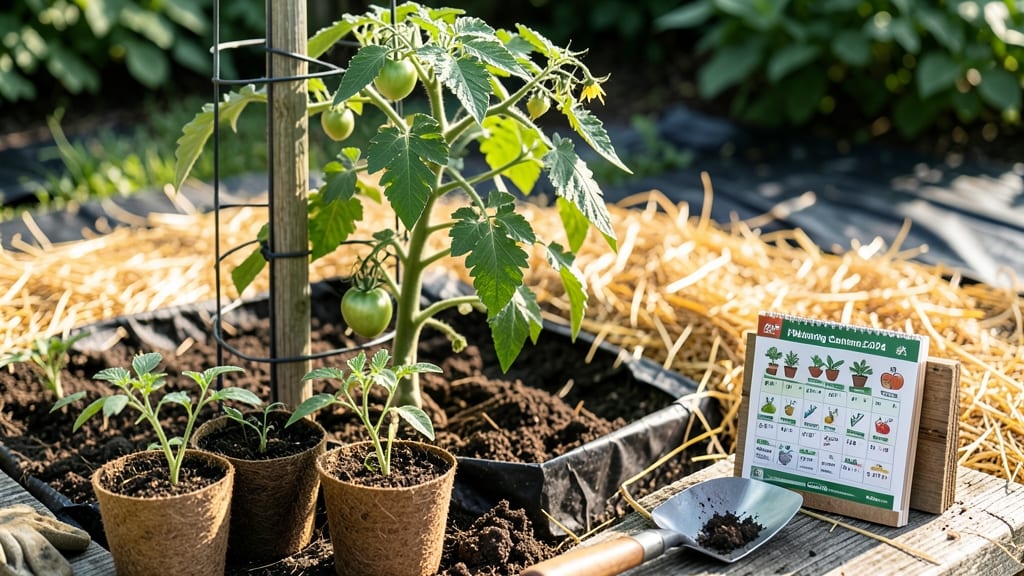
If you're asking "when do you plant tomatoes in Arkansas", the answer isn't one-size-fits-all—it depends on whether you want a spring harvest or a fall bounty.
Arkansas gardeners know the difference between a 60-day summer and a 90-day growing season can mean the difference between a thriving tomato plant and a sad, wilted one.
For most of Arkansas—especially in zones 7a-8b—the sweet spot is mid-April to early June, once the soil warms to 60°F and nighttime temps stay above 50°F. But here's the secret: if you want tomatoes well into October, late July is your second chance.
This fall planting window lets you beat the heat and enjoy harvests when grocery store tomatoes are long gone.
I've learned the hard way that timing isn't just about frost dates—it's about heat tolerance. Arkansas summers can push 95°F, and not all tomato varieties handle that well.
That's why choosing the right plants (and a few pro tips) is just as important as when you stick them in the ground.
In this guide, I'll break down the exact months that work for your region, the best heat-resistant varieties for Arkansas, and how to stretch your harvest from June all the way to November. Let's get those 🍅 plants growing!
Best planting months for tomatoes in Arkansas by region
Arkansas’ diverse climate—from the cooler northern hills to the humid southern lowlands—means tomato planting dates vary wildly. The key is aligning your schedule with last frost dates, soil temperatures (minimum 60°F), and your USDA zone (7a-8b).
In North Arkansas (Zone 7a), like Fayetteville, you’ll plant 2-3 weeks later than in South Arkansas (Zone 8b), near Texarkana.
For spring planting, aim for mid-April to early June after the last frost (typically mid-March to early April). Fall planting opens in late July for a second harvest before frost hits in November.
Miss these windows, and you risk blossom drop from heat stress or frost damage.
Here’s how to pinpoint your exact planting window based on Arkansas’ three regions:
| Region | Last Frost | Spring Planting Window | Fall Planting Window | Soil Temp Goal |
|---|---|---|---|---|
| North (Zone 7a) Fayetteville, Rogers |
Mid-April | Late April–May 15 | Late July–early August | 60°F+ |
| Central (Zone 7b) Little Rock, Pine Bluff |
Early April | Mid-April–May 10 | Late July–August 1 | 60°F+ |
| South (Zone 8b) El Dorado, Texarkana |
Late March | Early April–May 1 | Early July–July 20 | 60°F+ |
Pro tip: Use a soil thermometer to confirm readiness—60°F soil is non-negotiable for tomato roots. In North Arkansas, extend your season with black plastic mulch (warms soil 5–10°F faster) or a mini greenhouse for early starts.
For city-specific guidance, check your local cooperative extension office. For example, Little Rock (Zone 7b) gardeners often plant transplants by April 15, while Texarkana (Zone 8b) can start seeds indoors in March for an earlier harvest.
Always account for humidity spikes in summer—Arkansas’ 90%+ humidity can stress young plants.
If you’re starting seeds indoors, begin 6–8 weeks before your last frost date. Use grow lights for 14–16 hours/day to prevent leggy seedlings. Harden off seedlings for 1 week before transplanting to avoid shock.
For fall planting, prioritize heat-tolerant varieties (we’ll cover those next!) and plant 8–10 weeks before your first frost. In South Arkansas, this means early July plantings for a September–October harvest. Use shade cloth (30–50%) during August’s 95°F+ heat waves to protect young plants.
Remember: Arkansas’ summer heat (often 90°F+) can cause blossom end rot or sunscald on tomatoes. Succession planting—adding new plants every 2 weeks—ensures a steady harvest and avoids overwhelming your plants during peak heat.
🌱
Best planting months for tomatoes in Arkansas by region
Arkansas stretches across three distinct climate zones, each with its own last frost date and heat tolerance challenges. Whether you're in northern Arkansas (like Fayetteville) or southern Arkansas (like Texarkana), timing your tomato planting is critical.
The general rule: plant after soil warms to 60°F and nighttime temps stay above 50°F—but Arkansas’ 90°F+ summers mean you’ve got two chances to plant for a harvest.
For spring planting, most Arkansas gardeners aim for mid-April to early June, once the danger of frost has passed.
But here’s the catch: if you’re in Zone 7a (north), you’ll need to wait until late April, while Zone 8b (south) can start as early as mid-March. The key is soil temperature, not just air temperature—cold soil delays germination.
Don’t overlook fall planting! Arkansas’ long growing season lets you plant a second crop in late July for a harvest in September and October. This is especially useful for heat-sensitive varieties that struggle in peak summer.
The Arkansas Extension Service recommends fast-maturing varieties (60-70 days to harvest) for fall plantings to avoid early frost.
If you’re in Little Rock (Zone 7b), aim for mid-April for spring plantings and late July for fall. Meanwhile, gardeners in Texarkana (Zone 8a) can start as early as mid-March and even push fall plantings to early August.
The Arkansas Climate Office notes that soil temperature lags air temperature by 2-3 weeks, so always check with a soil thermometer.
Pro tip: use black plastic mulch to warm soil faster. I’ve seen it raise soil temps by 5-10°F, letting me plant 2-3 weeks earlier without risking frost damage. Pair this with heat-tolerant varieties (like 'Celebrity' or 'Heatmaster'), and you’ll beat Arkansas’ brutal summer heat.
For container gardening, adjust your timeline by 1-2 weeks later—pots cool faster and are more sensitive to temperature swings. And remember: Arkansas’ humidity levels (often 70-90%) mean you’ll need to monitor for early blight and fusarium wilt.
Planting at the right time reduces stress on your plants, keeping them healthier and more productive.