
Plants
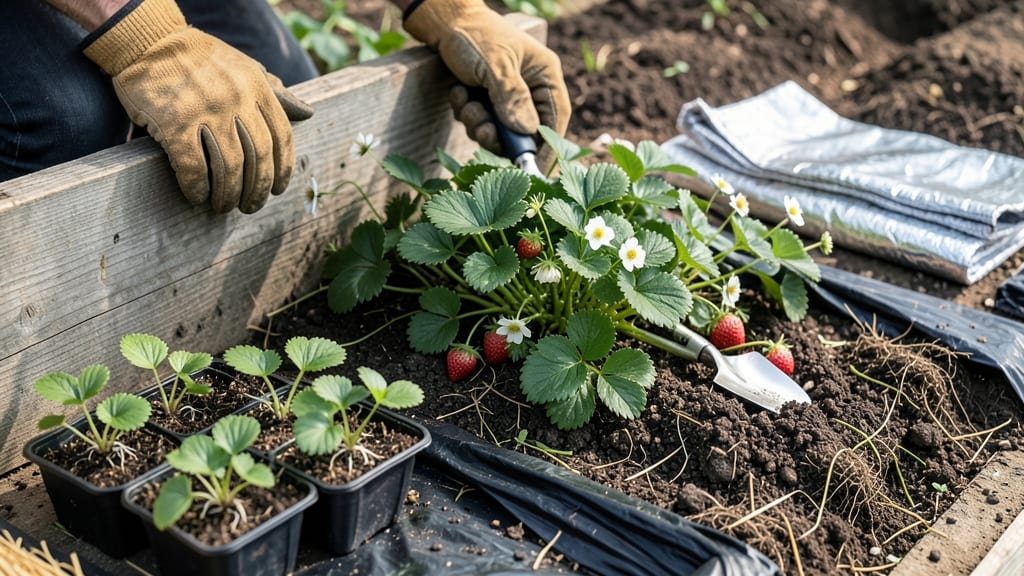
Planting strawberries in Pennsylvania at the wrong time can turn your dream harvest into a tiny, disappointing crop—or worse, no berries at all.
The key isn’t just picking a month; it’s matching your variety to the 5b-7a zone and avoiding late frosts that can wipe out your plants before they even fruit.
Most gardeners in Pennsylvania plant their 🍓 strawberries in early spring (March–May) or late summer (August–September), but timing depends on whether you’re growing June-bearing, everbearing, or day-neutral varieties. A late frost in April could devastate your spring planting, while fall-planted berries need time to establish roots before winter sets in.
I’ll walk you through the exact months to plant for each type, how to prep your soil for Pennsylvania’s climate, and which varieties thrive best in your region. Whether you’re a first-time gardener or a seasoned grower, these tips will help you maximize your harvest and avoid common mistakes.
Ready to grow plump, juicy strawberries? Let’s get started with the planting schedule that works for your Pennsylvania garden.
Best planting months for strawberries in Pennsylvania by variety type
Timing your strawberry planting in Pennsylvania hinges on the variety type and your USDA zone. Most gardeners focus on March–May for spring planting, but everbearing and day-neutral types offer extended harvest windows.
The key is avoiding late frosts (after April 15 in most regions) that can blacken tender leaves.
Pennsylvania’s USDA zones 5b–7a create microclimates where June-bearing varieties thrive in cooler zones (5b–6a), while everbearing and day-neutral types perform better in warmer zones (6b–7a). For example, ‘Chandler’ (June-bearing) needs a long, cool spring, while ‘Albion’ (day-neutral) produces berries all season.
Spring planting is ideal for bare-root plants (March–April) or potted varieties (April–May). Fall planting (August–September) works for everbearing types but requires mulching to insulate roots before winter. My rule? Plant 6 weeks before your last frost date or 8 weeks before the first frost for fall varieties.
Here’s how to match your strawberry variety to Pennsylvania’s planting windows:
For June-bearing varieties, prioritize early spring planting (March–April) to ensure roots establish before flowering. These types produce one massive harvest but require 3–4 weeks of chilling hours (32–45°F) to fruit. If you miss the spring window, potted plants can be planted in late April–May, but yields may suffer.
Everbearing and day-neutral strawberries are my top picks for Pennsylvania gardeners. They produce two harvests per year—one in early summer and another in fall—making them ideal for extended-season growing.
Plant everbearing types in both spring and fall to stagger production. For example, ‘Ozark Beauty’ (everbearing) thrives in zones 5b–7a and delivers berries from June to October.
Pro tip: Use row covers or cold frames to extend your planting window by 2–3 weeks in early spring. This protects tender plants from late frosts (common in Pennsylvania’s Zone 5b) while allowing you to plant potted varieties as early as late February in sheltered microclimates.
If you’re in southern Pennsylvania (Zone 7a), you can push the envelope with fall planting (August–September). The goal is to give plants 6–8 weeks to establish roots before winter. Mulch heavily with straw or leaves to insulate roots and prevent heaving.
I’ve had success with ‘Seascape’ (day-neutral) planted in late August—it produced a small harvest in June of the following year.
Regardless of variety, soil temperature is critical. Strawberries won’t thrive until the soil reaches 45–55°F. Use a soil thermometer to check—planting too early in cold soil can stunt root growth. In northern PA (Zone 5b), wait until mid-April when soil temps consistently stay above 50°F.
For container growing, adjust your timeline by 2–4 weeks earlier since pots warm up faster. Place containers in a south-facing spot and use black plastic mulch to raise soil temperature. This lets you plant potted strawberries in March even in cooler zones.
How to time strawberry planting for Pennsylvania’s frost dates and soil conditions
Pennsylvania’s unpredictable frost dates can turn a great strawberry harvest into a disappointment if you’re not prepared. The average last frost date is around April 15, but mountainous regions like the Poconos can delay this by 2-3 weeks.
Always check your local USDA zone (5b-7a) and use a frost-free date calculator for precision.
Soil temperature is your second critical factor. Strawberries thrive when soil reaches 45–55°F. Use a soil thermometer to confirm—planting too early in cold soil can stunt roots. In southern PA, this often means mid-March to early April, while north-central areas may wait until late April.
🚨 CRITICAL: If you plant bare-root strawberries too early, roots can rot in damp, chilly soil. Potted plants, however, adapt better to temperature shifts and can be planted 2 weeks earlier than bare-root varieties.
⚠️ Late Frost Warning
Never plant strawberries before your last frost date—even if soil is warm. A single late frost can kill emerging plants. Use row covers or cold frames to protect seedlings if frost is forecasted after planting.
Pro Tip: In Zone 5b, wait until May 1 for bare-root plants to avoid frost risk.
For fall planting (August–September), aim to give roots 6–8 weeks to establish before winter. This means planting by mid-September in southern PA and early September in northern regions. Fall-planted strawberries often yield 20% more the following year due to stronger root systems.
Test your soil pH before planting—strawberries prefer 5.5–6.5. Amend with lime if pH is too low or sulfur if too high. A well-draining, slightly acidic soil prevents gray mold and root rot, two common PA issues.
Extend your season with seasonal adjustments: Use black plastic mulch in spring to warm soil faster, or straw mulch in summer to retain moisture. In Zone 6-7, you can even try year-round production with high tunnels or cold frames for early spring and late fall harvests.