
Companion Plants
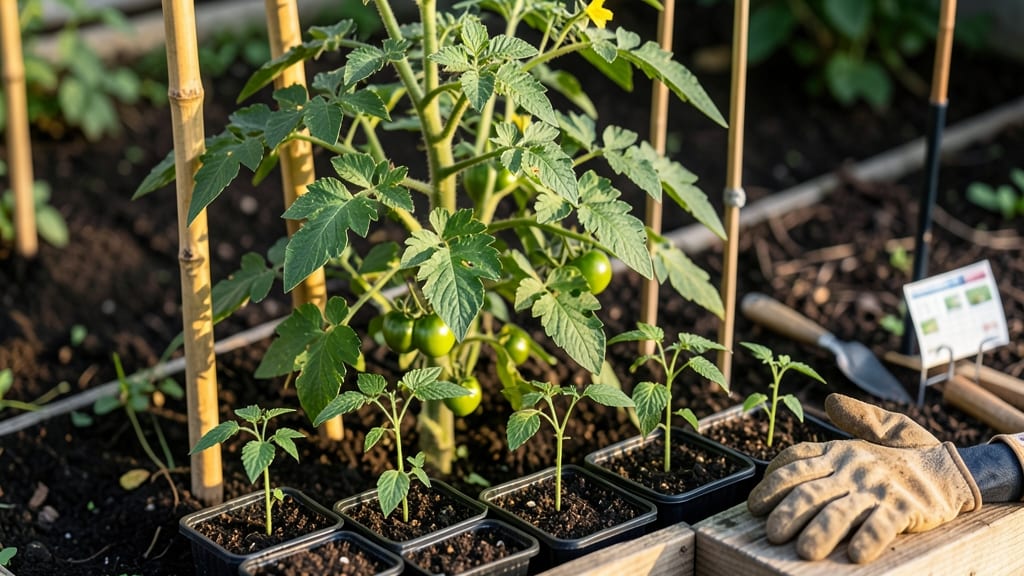
If you’ve ever stared at a seed packet wondering when to plant tomatoes in Texas without getting burned by frost or wilting under summer sun, you’re not alone. The Lone Star State’s long, hot growing season means tomatoes can thrive year-round—but only if you time it right.
Skip the guesswork and plant at the perfect moment to enjoy juicy 🍅 harvests from spring through fall, even in 8a-10b zones.
Here’s the game-changer: Texas gardeners split their planting into two seasons—spring and fall—with exact windows to dodge frost and heat stress. Start seeds indoors 6-8 weeks before your last frost date (yes, that varies by region), then transplant outdoors when soil hits 60°F.
For fall crops, wait until August to avoid summer’s scorching peak.
But timing isn’t the only secret. The right heat-tolerant varieties—like ‘Heatmaster’ or ‘Solar Fire’—make all the difference. I’ll walk you through the best picks for your zone, plus pro tips to keep your plants happy in Texas’ brutal summers. Ready to turn your garden into a tomato powerhouse?
Let’s break down the exact planting schedule, variety recommendations, and heat-beating hacks so you can harvest like a local—no more wasted seeds or sad, sunburned plants. Your first ripe tomato is closer than you think!
Texas tomato planting calendar: exact start dates by region (North vs. South vs. Central)
Texas’ diverse climate means North Texas (like Dallas) has cooler springs with later frost dates, while South Texas (Houston, San Antonio) enjoys earlier planting and longer growing seasons. Even Central Texas (Austin) falls somewhere in between.
To avoid frost damage or heat stress, align your planting with local last-frost dates and soil temperatures—aim for 60°F+ for germination.
For spring plantings, start seeds indoors 6-8 weeks before your region’s last frost. Transplant seedlings outdoors 2-3 weeks after frost and when nighttime temps stay above 55°F.
In Texas, this typically means March for North, February for Central, and January for South. Fall plantings (for late-season harvests) should begin in August and be in the ground by September.
Here’s your region-specific planting timeline to maximize yields while avoiding Texas’ brutal summer heat:
Pro tip: Use black plastic mulch to warm soil faster in spring—this can shave 1-2 weeks off your planting timeline. For North Texas gardeners, consider row covers to protect seedlings from late frosts (even after March 15).
In South Texas, prioritize shade cloth to prevent sunburn during summer heatwaves.
For succession planting, sow new seeds every 2-3 weeks after your initial transplant date. This ensures a continuous harvest from June through October (spring plantings) or October through November (fall plantings).
In Central and South Texas, you can even squeeze in a third planting in late July for a winter harvest before frost.
Watch for soil temperature—use a soil thermometer to confirm it’s 60°F+ before transplanting. Cold soil delays growth and increases disease risk. If temps drop below 50°F at night, protect seedlings with frost cloth or move pots indoors temporarily.
Texas’ summer heat (90°F+) can stress tomato plants, so time your last planting to finish fruiting before August. For fall harvests, choose heat-tolerant varieties like ‘Solar Fire’ or ‘Heatmaster’—these can handle up to 100°F with proper care.
Remember: Tomatoes hate wet feet. In Texas’ humid climate, mulch heavily with straw or wood chips to prevent soil-borne diseases like early blight. Pair this with drip irrigation to keep foliage dry and reduce fungal risks.
🌱
Texas tomato planting calendar: exact start dates by region (North vs. South vs. Central)
Texas isn’t one-size-fits-all when it comes to tomato planting. The state stretches across USDA zones 8a-10b, meaning frost dates and heat peaks vary wildly. In North Texas (like Dallas), you’ll dodge frost by late March, while South Texas (Houston, San Antonio) can plant as early as January.
Central Texas (Austin) falls somewhere in between, with a February 15 last-frost average. Get these dates wrong, and you’ll either lose plants to frost or watch them wilt under July’s 100°F+ temps.
Here’s the golden rule: Plant after soil hits 60°F and at least 2-3 weeks after your last frost date. For spring crops, start seeds indoors 6-8 weeks before transplanting outdoors.
Fall plantings? Wait until August to avoid summer’s brutal heat. Let’s break it down by region so you can pinpoint your perfect window.
Pro tip: Use black plastic mulch to warm soil faster in spring—this lets you transplant 2-3 weeks earlier without frost risk. For fall crops, focus on heat-tolerant varieties like ‘Solar Fire’ or ‘Heatmaster’ to avoid blossom drop when temps spike.
And don’t forget: Texas’ summer heat can stress young plants, so shade cloth (30-50%) is your best friend during June and July.
If you’re in North Texas and plant too early, a late frost in April will kill your seedlings. In South Texas, planting in May means battling 90°F+ soil temps, which stunts root growth.
The key? Match your planting window to your region’s microclimate—and always check your local Cooperative Extension Service for updates. Their frost data is the gold standard.
For succession planting, stagger your outdoor transplants every 2-3 weeks from March to May. This ensures a continuous harvest from June through October. In fall, aim for August transplants to harvest before the first frost hits in November.
And if you’re really ambitious, try a winter greenhouse in South Texas—you can grow tomatoes year-round with protection!
Remember: Soil temperature matters more than air temperature. Use a soil thermometer to confirm it’s 60°F+ before planting. Cold soil = slow growth = missed harvests. And if you’re in a hotter zone (9a-10b), prioritize drought-resistant varieties and deep watering to keep plants thriving.