
Plants
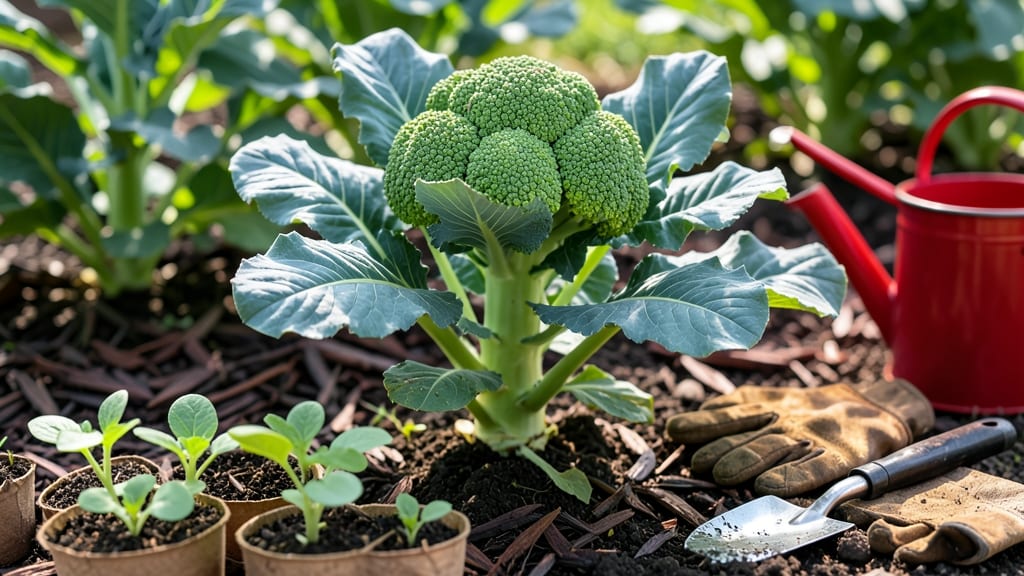
If you’ve ever tried planting 🥦 broccoli in Central Texas only to watch it bolt in the heat or wilt before harvest, you’re not alone—timing is everything in our unpredictable climate.
The key to a thriving crop lies in knowing exactly when to sow seeds, how to beat the heat, and which varieties will survive Texas summers.
In USDA Zone 8a, your best bets are late August through early September for fall planting or February to early March for spring, but getting the weeks before frost just right makes all the difference.
I’ll break down the exact windows, heat-resistant varieties, and pro tips to ensure your broccoli thrives when most gardens give up.
Why does this matter? Because skipping the right timing means fighting pests, dealing with premature bolting, or losing your crop to heat stress. Let’s cut through the guesswork and get your garden set up for success—no more wasted seeds or disappointed harvests.
You’ll discover the 5 best heat-tolerant broccoli varieties for Central Texas, how to extend your harvest with shade cloth and succession planting, and the soil tricks that keep your plants happy even when temperatures soar. Ready to grow broccoli like a pro?
Best planting times for broccoli in Central Texas: weeks before frost and heat zones
Central Texas’s USDA Zone 8a climate gives you two prime windows to grow broccoli—fall and spring. The key is planting 4-6 weeks before the first frost (typically November 15) or 60-80 days before the last expected frost (March 15).
Timing this right means cooler temps and fewer pests, while planting too early or late risks heat stress or premature bolting.
For fall planting, aim for late August to early September. This gives broccoli time to mature before winter sets in. In spring, plant between February and early March to avoid the brutal summer heat.
Microclimates matter too—Austin’s cooler nights may extend your fall window by 1-2 weeks compared to San Antonio’s hotter inland areas.
Broccoli thrives in 50-75°F soil temperatures. In Central Texas, soil stays warm well into October, so fall seedlings need shade protection until temps drop. Use a soil thermometer to confirm readiness—plant only when soil cools below 80°F.
Spring planting is trickier; wait until soil warms to 50°F to avoid stunted growth.
Here’s the exact frost-based schedule for Central Texas regions:
| Season | Planting Window | Weeks Before Frost | Harvest Window | Key Challenge |
|---|---|---|---|---|
| Fall | Late August - Early September | 4-6 weeks | November - December | Heat stress in August |
| Spring | February - Early March | 8-10 weeks before last frost | May - June | Bolting in summer heat |
| Extended Fall | Mid-September (with shade) | 6-8 weeks | January | Cold tolerance |
Pro tip: Use shade cloth (30-50%) for late-summer or early-fall plantings to protect seedlings from 90°F+ temps. Remove it once soil temps stabilize below 80°F. For spring, prioritize morning sun and afternoon shade to prevent bolting—broccoli bolts when stressed by heat.
Central Texas’s variable frost dates mean you’ll need to adjust yearly. Check your local Cooperative Extension Service (e.g., Texas A&M AgriLife) for updated frost forecasts. In drier years, frost may come 2 weeks later than average, so err on the side of earlier planting.
Container growing extends your options. Plant broccoli in 5-gallon pots and move them to shaded patios in summer or under row covers in winter. This works especially well for balcony gardens in Austin or San Antonio, where space is limited but microclimates vary dramatically.
Remember: Soil prep is non-negotiable. Central Texas soil is often alkaline (pH 7.5-8.5), which broccoli hates. Amend with sulfur or peat moss to lower pH to 6.0-7.0 before planting. Add 2-3 inches of compost for nutrients, and mulch with straw to retain moisture.
If you miss the ideal windows, don’t despair—succession planting can salvage your harvest. Sow every 2 weeks in spring or every 3 weeks in fall to stagger maturity. Just avoid planting after April 15; broccoli planted in summer will bolt within 3-4 weeks due to heat.
🌱
Best planting times for broccoli in Central Texas: weeks before frost and heat zones
Central Texas’s USDA Zone 8a climate means broccoli thrives in fall and spring, but timing is critical. The first frost typically hits around November 15, while the last frost usually occurs by March 15.
Planting too early in summer exposes broccoli to heat stress, while late planting risks frost damage before harvest. Let’s break down the exact windows for your region.
For fall planting, aim to sow seeds or transplants 4-6 weeks before your first frost. In Central Texas, this translates to late August through early September. Broccoli planted at this time will mature before cold weather sets in, giving you a harvest in November and December.
Spring planting should start February through early March to ensure heads form before summer heat arrives.
Central Texas’s microclimates (Austin, San Antonio, Waco) can shift frost dates by 1-2 weeks. Check your local frost-free days—most areas have about 210 days—to adjust timing. For example, Waco’s cooler nights may allow slightly later fall planting than San Antonio’s warmer valleys.
| Season | Planting Window | Weeks Before Frost | Harvest Window |
|---|---|---|---|
| Fall | Late August - Early September | 4-6 weeks | November - December |
| Spring | February - Early March | 10-12 weeks before summer heat | May - June |
Soil temperature is another key factor. Broccoli germinates best in soil 45-85°F. In Central Texas, soil stays ideal for fall planting until mid-September. Use a soil thermometer to confirm—cool soil (below 50°F) slows germination, while hot soil (above 85°F) causes poor seedling vigor.
If planting in October, opt for fast-maturing varieties (50-60 days) to beat winter chills.
Protect young seedlings from Texas pests like aphids and cabbage worms by using row covers or neem oil sprays. Mulch with straw or grass clippings to retain moisture and regulate soil temperature.
In spring, watch for bolting (premature flowering) if temperatures rise too quickly—choose heat-tolerant varieties like 'Waltham 29' to mitigate this risk.
For a continuous harvest, stagger plantings every 2-3 weeks in fall or 1 week in spring. This ensures you’re always harvesting fresh heads while older plants mature. Pair broccoli with companion plants like bush beans or dill to deter pests naturally and improve soil health.